
TL;DR
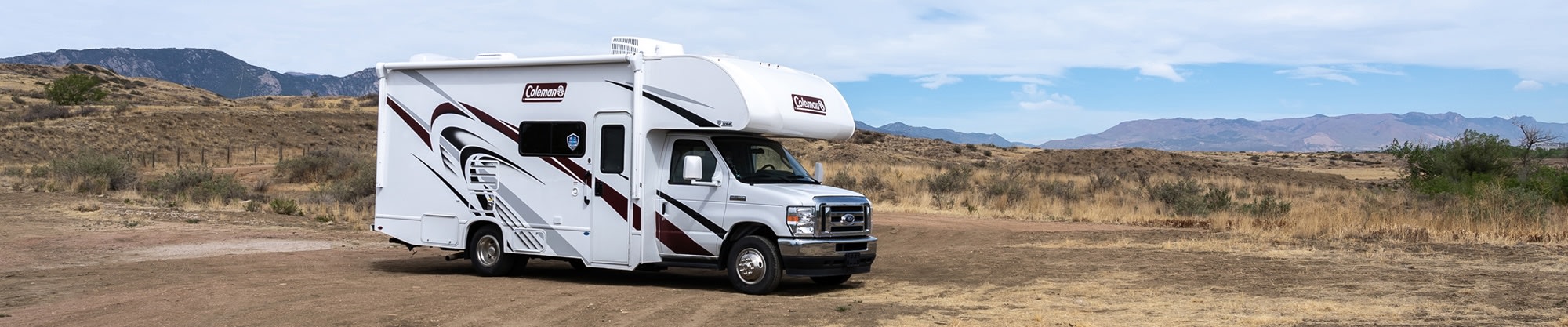
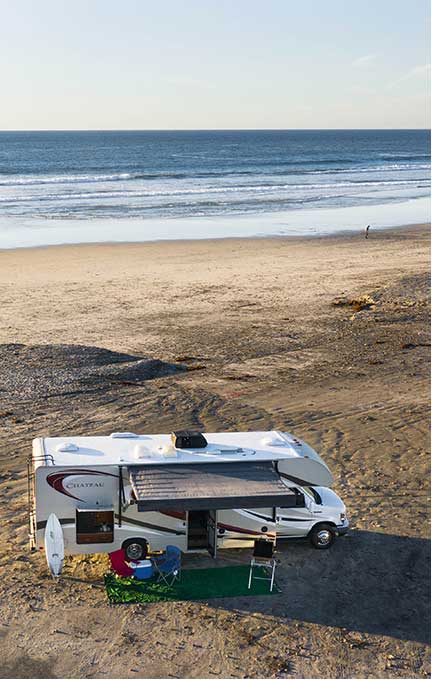
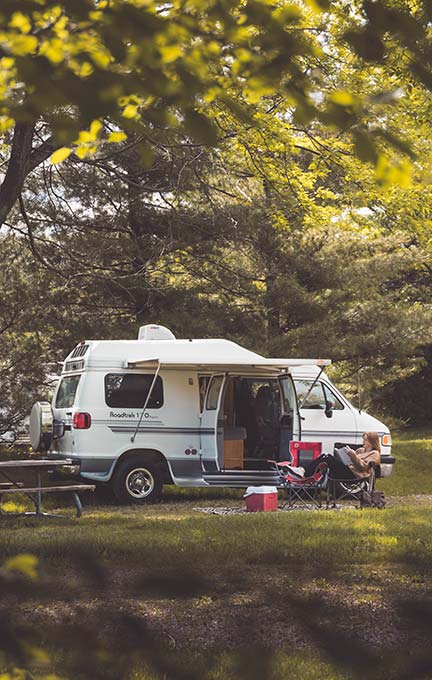
October through February is Big Bend's best RV window. Rio Grande Village drops from 107°F summer highs to 63–67°F — comfortable enough to camp without hookups. Cottonwood Campground reopens in November (closed May–October). Chisos Basin stays cool but overnights dip into the 30s. The Rio Grande Village RV Park (25 sites, full hookups, $36–46/night) runs year-round. Propane consumption roughly doubles in winter — expect 2–3 gallons per day for furnace heating. Water lines can freeze below 32°F; insulate or heat-tape exposed connections. Post-monsoon skies (October–February) deliver the clearest stargazing in the lower 48. The 105°F hot springs on the Rio Grande hit peak comfort when air temps drop below 70°F. Peak visitation runs November–March, so book early.
Why is fall the start of Big Bend's real camping season?
The first time I recommend Big Bend to someone, they assume summer. The second time — after I show them the temperature chart — they book October.
Here's what happens between June and December at Rio Grande Village: average highs drop from 107°F to 63°F. Same 93 campsites, same $16 per night, same desert-floor views of the Chisos Mountains — except now you can sit outside past 9 AM without a heat advisory.
September marks the end of monsoon season at Big Bend. The afternoon thunderstorms that build cloud cover from July through August taper off, and what's left is dry, clear air across 801,163 acres of Chihuahuan Desert. October and November bring the intersection that makes fall camping here exceptional: temperatures in the 70s, crowds well below the winter peak, and post-monsoon skies that set up the best stargazing window of the year.
Cottonwood Campground — the quietest of Big Bend's three NPS campgrounds — reopens in November after its five-month summer closure. That reopening is the unofficial start of Big Bend's real camping season. By late November, all three campgrounds and the RV Park are operating, temperatures are manageable at every elevation, and the park enters a stretch that runs through February before spring break crowds arrive in March.
What changes at each campground in winter?
Big Bend's three-campground elevation split — covered in detail in our Texas RV parks guide — creates different fall and winter experiences depending on where you park.
Rio Grande Village (1,850 feet)
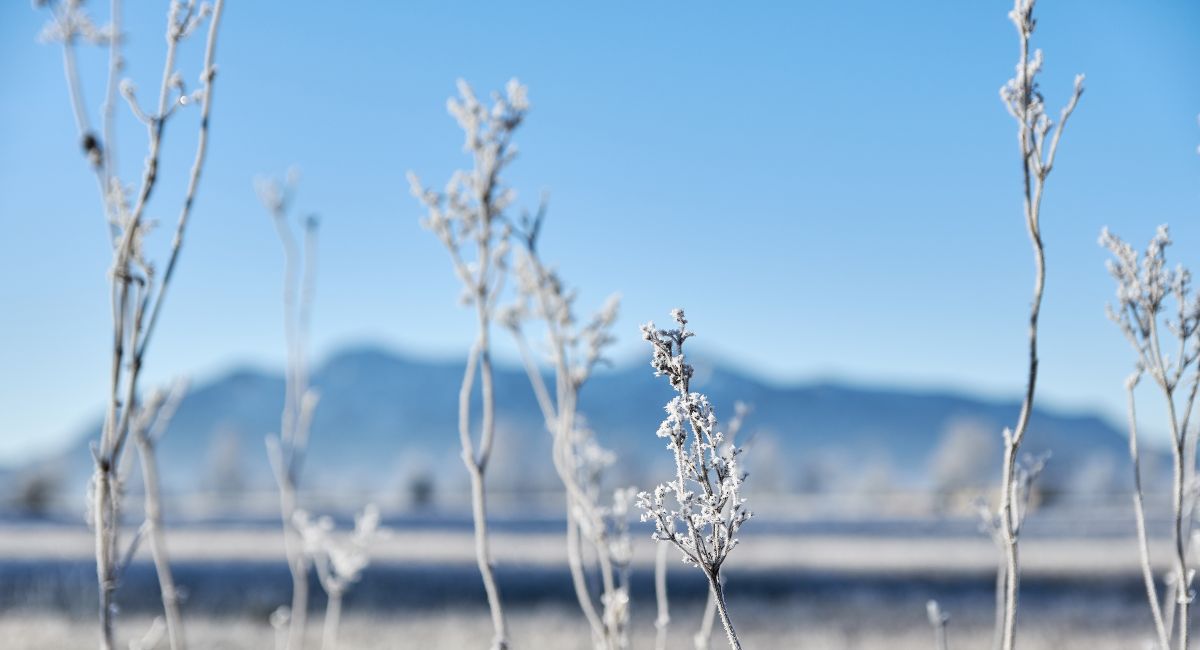
The seasonal reversal here is dramatic. Summer's most dangerous campground becomes winter's most comfortable. Highs run 63–67°F from December through February, with full sun most days. But overnights drop hard — NPS weather data shows average lows of 29°F in January. Frost is common on desert scrub by sunrise. The dump station, camp store, and showers stay open year-round. All 93 sites accommodate RVs up to 65 feet. Generators allowed.
Chisos Basin (5,401 feet)
The mountain campground stays scenic but gets genuinely cold. Winter highs reach only 55–62°F, with lows in the mid-30s. Snow is rare but hits the Chisos peaks every few years. The 24-foot RV limit still applies — if you want Chisos Basin in winter, bring something compact enough to fit. The steep, switchback road into the Basin doesn't get any wider in the cold. The lodge and restaurant in the Basin operate year-round, which gives you a warm backup if your heater struggles.
Cottonwood (near the Rio Grande)
Cottonwood is the campground Big Bend regulars don't tell you about. It's only open November through April, there are no generators allowed, no flush toilets, and only 28 sites — but it's the quietest spot in a park that's already the quietest place in Texas. The renters who find it tend to come back specifically for it. Maximum RV length: 40 feet. Vault toilets and water available. $16 per night via Recreation.gov.
Rio Grande Village RV Park (Aramark)
The only hookup option in the park runs year-round. Twenty-five sites with full hookups (50 AMP), back-in only, 38-foot maximum. $36–46 per night. Shore power is the single biggest advantage for winter camping here — your furnace runs on electricity instead of burning through propane, and your battery stays charged overnight. Reservations by phone: 855-765-1324.
How do you prepare an RV for Big Bend's cold nights?
The 50°F temperature swing — 75°F at 2 PM, 29°F at 3 AM — is the defining RV challenge at Big Bend in winter. Three systems need attention.
Propane. We see more propane-related support calls from Big Bend in January than from any other park in any month. The math is simple: your furnace runs all night, and a standard 30-pound tank burns through in two to three days instead of the five to six you'd get in mild weather. Bring a backup tank or plan a refill run to Study Butte — the nearest propane outside the park. For a deeper breakdown of tank sizes, consumption rates, and refill logistics, we've got a full guide.
Water systems. Exposed water lines, low-point drains, and external shower connections freeze below 32°F. If you're dry camping at Rio Grande Village or Cottonwood in December through February, insulate exposed connections with foam wrap or heat tape. On the coldest nights, keep a thin stream of water running through your lines — the movement prevents freezing. Disconnect and drain the city water hookup at the RV Park if you won't be using it overnight.
Batteries. Cold weather reduces battery capacity by 20–30%. A lithium battery handles this better than lead-acid, but either way, the RV Park's shore power connection is the simplest fix. If you're dry camping, keep your battery bank above 50% and run the engine periodically to charge.
What makes Big Bend's winter stargazing the best in the lower 48?
Big Bend has held its International Dark Sky Park designation since 2012, and together with adjacent Big Bend Ranch State Park, it covers 1.1 million acres of protected dark sky — the largest such zone in North America.
What makes winter the best window for it comes down to the atmosphere. The July–September monsoon season brings cloud cover and humidity that softens the sky. By October, the monsoons are gone. The air is dry, the nights are long (14 hours of darkness in December), and there's no humidity haze between you and the Milky Way.
Winter constellations — Orion, Taurus, Gemini, Canis Major — rise early in the evening, so you don't need to stay up past midnight. Ranger-led star parties run periodically through the winter months. The nearest city is Alpine, population 6,000, over 100 miles away. No light domes are visible from the park interior.
New moon windows are the premium nights. Check the lunar calendar before you book.
Which fall and winter activities improve in cooler weather?
Hot springs. The 105°F natural mineral spring sits on the Rio Grande, a half-mile walk from the trailhead. In our trip reviews, renters who visit Big Bend between Thanksgiving and Valentine's Day consistently rate the hot springs as the trip highlight — not the canyons, not the drives, not the stars. There's something about soaking in 105-degree water with 60-degree air and the Rio Grande flowing past that doesn't translate to summer, when the air is already hotter than the spring. One note for RV campers: the two-mile gravel access road prohibits motorhomes and oversized vehicles. Park your rig at camp and drive a tow vehicle or take the longer hiking route from Rio Grande Village.
Hiking. Summer heat makes most Big Bend trails miserable below 4,000 feet. In fall and winter, the full trail system opens up: Lost Mine Trail (4.8 miles, mountain views), Window Trail (5.5 miles, desert pour-off), Santa Elena Canyon Trail (1.7 miles, 1,500-foot canyon walls), and the Hot Springs loop. Start early for wildlife — javelinas, mule deer, and roadrunners are most active at dawn in cooler months.
Ross Maxwell Scenic Drive. The 30-mile, fully paved drive from Santa Elena Junction to Santa Elena Canyon is RV-accessible year-round, but running it in 70°F air with the windows down is a different experience than white-knuckling through 100°F heat. Key stops: Sotol Vista, Tuff Canyon, Castolon Historic District, and the Santa Elena Canyon trailhead.
Boquillas del Carmen. The border crossing into this small Mexican village is open year-round (passport required). In cooler weather, the rowboat ride across the Rio Grande and the walk into town are pleasant rather than punishing.
When should you book, and what should you expect for crowds?
Big Bend runs inverse to most national parks. Peak visitation is November through March — the cooler months draw the crowds that heat pushes away from May through September. The two hardest booking windows are Thanksgiving week and March spring break.
For NPS campgrounds ($16/night), reservations open 180 days in advance on Recreation.gov. If you're targeting Chisos Basin in December or Cottonwood over Thanksgiving, set a calendar reminder for the day your window opens. January and early February are the quietest winter months — weekday arrivals almost always have availability.
The closest major rental markets are Austin (6.5 hours via I-10 and US-385) and El Paso (4 hours via US-90 and US-385). El Paso is closer but has a smaller rental fleet. Austin gives you more options and a scenic route through the Texas Hill Country if you take US-290 west.
About this guide
Temperature data from NPS Big Bend weather stations covering Rio Grande Village, Panther Junction, and Chisos Basin. Campground details from NPS Big Bend camping and Recreation.gov. Dark sky data from NPS Big Bend stargazing. Hot springs details from NPS soak in the hot springs. Propane consumption estimates and cold-weather RV preparation based on Outdoorsy's rental support data and renter trip reviews across multiple Big Bend winter seasons. Fees and operational details confirmed for the 2026 season.