Two of the country's greatest national parks sit back-to-back, connected by a single parkway — which makes a Grand Teton–Yellowstone loop one of the best RV trips you can take. Almost every loop itinerary online is built around a car and a hotel, and almost every RV guide covers only one park. This one maps the actual RV version: where you sleep the rig each night, which two campgrounds have full hookups, and where a big motorhome will and won't fit.
The short version:
- Plan five to seven days for the full loop; three is the bare minimum, and the parks are big with slow roads.
- Base the rig in two or three spots: Colter Bay for the Tetons, then West Yellowstone for Yellowstone's south loop and a northern base for the upper loop.
- The only two in-park full-hookup campgrounds on the route are Colter Bay RV Park (Tetons) and Fishing Bridge RV Park (Yellowstone).
- A loop returns you to your pickup point, so a same-place return is the simplest rental setup — or have a rig delivered to a Jackson or West Yellowstone gateway.
- Rent smaller or tow a vehicle for in-park days; some park roads aren't built for a big rig.
How many days do you need for a Grand Teton–Yellowstone RV loop?
Five to seven days is the sweet spot — roughly one day for the Tetons plus a lower and an upper Yellowstone loop day, with buffer for hikes, wildlife, and slow traffic. Three days is the absolute floor and means a lot of driving for not much stopping. Renters we talk to who tried to see both parks in three days always tell us the same thing afterward: give it five to seven and you'll actually enjoy it.
The reason is scale. From downtown Jackson it's about 57 miles and over an hour just to drive through Grand Teton, and Yellowstone's Grand Loop Road runs roughly 140 miles as a figure-eight that takes four to seven hours to drive end to end once bison jams are factored in. You're not seeing both parks well in a long weekend. Build the trip around basing the rig and exploring in loops, not crossing the whole region each day. If you have more time, the Wyoming RV rentals hub is a good place to size up a rig for a longer run.
What's the best day-by-day route for the loop in an RV?
The cleanest route runs south to north and back: pick up in Jackson, settle into the Tetons, cross into Yellowstone's south loop, work up to the north loop, and return — basing the rig as you go. Here's a seven-day skeleton you can compress to five.
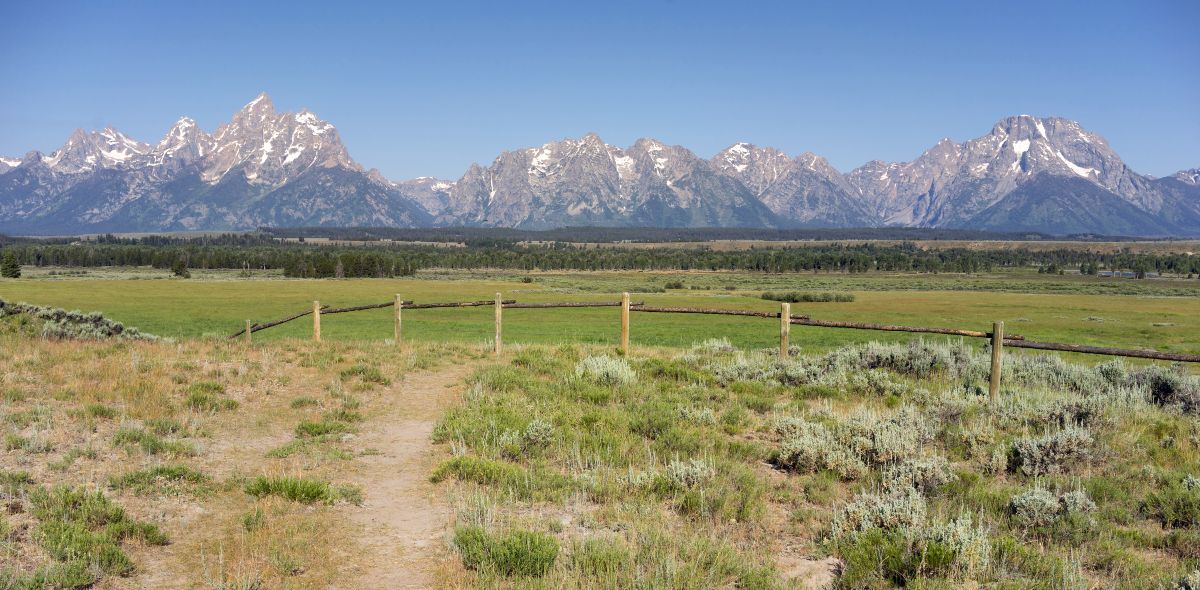
- Day 1 — Jackson to the Tetons. Pick up the rig, provision in Jackson, and drive to Colter Bay (about an hour through the park). Settle in and catch sunset at Jackson Lake.
- Day 2 — Grand Teton. Jenny Lake, Oxbow Bend for wildlife, and the Teton Park Road viewpoints. One caution: Signal Mountain's narrow summit road bans trailers and RVs, so drive a tow vehicle up or skip it.
- Day 3 — Into Yellowstone's south loop. It's under 20 miles from Colter Bay to Yellowstone's South Entrance. Base near West Yellowstone or at Fishing Bridge, then hit West Thumb, Old Faithful, and Grand Prismatic.
- Day 4 — Lower Yellowstone loop. Yellowstone Lake, Hayden Valley wildlife, and the Grand Canyon of the Yellowstone at Artist Point.
- Day 5 — Move to a northern base. Reposition toward Canyon or a Gardiner gateway park, taking in Norris Geyser Basin on the way.
- Day 6 — Upper loop and wildlife. Mammoth Hot Springs and Lamar Valley at dawn for wolves, bison, and the elk rut in fall.
- Day 7 — Return to Jackson. The loop brings you back to your starting point for an easy same-place return.
For the deep detail on each end, lean on the full Grand Teton RV camping guide and which Yellowstone campground fits your RV.
Where do you base the RV on each leg of the loop?
Base at Colter Bay for the Teton leg, then run a two-base plan in Yellowstone — West Yellowstone for the south loop and a Gardiner-area base for the north. We've watched first-timers try to cross the whole loop from a single base and burn half their trip driving; the ones who repositioned a couple of times saw far more and drove far less.
On the Teton end, Colter Bay puts you central on Jackson Lake with a village store and the only in-park full hookups. Crossing into Yellowstone, the park is too big for one base: base in West Yellowstone for quick access to Old Faithful and the geyser basins, then shift north toward Gardiner and Mammoth for the wildlife of Lamar Valley. The Teton–Yellowstone connector parkway ties the two parks together and has its own campground, Headwaters, with full hookups if you want a night in between. For timing the whole thing around crowds and weather, our guide to when to plan your Yellowstone summer trip covers the month-by-month picture.
Which loop campgrounds have full hookups?
Only two in-park campgrounds on the entire loop have full hookups: Colter Bay RV Park in Grand Teton and Fishing Bridge RV Park in Yellowstone. Everything else inside both parks is electric-only or dry camping, so plan your hookup nights around those two anchors — or use a private full-hookup park in a gateway town.
Colter Bay RV Park anchors the Teton leg with full-hookup sites and pull-throughs up to 45 feet. Fishing Bridge RV Park anchors Yellowstone — it's the park's only full-hookup campground, takes hard-sided RVs only, and fits combined rigs up to 95 feet. A common rhythm is a hookup reset at each anchor between dry or electric nights elsewhere: fill water, dump tanks, do laundry, then head back out. You can size a Grand Teton National Park RV rental or a Yellowstone National Park RV rental to whichever anchor you're building around.
Do you have to return the RV where you started?
No — and the loop makes this easy. Because the route returns to your starting point, a same-place return in Jackson is the simplest setup, with no one-way drop fees or logistics to arrange. Owners near the gateways tell us a loop trip is the easiest rental setup they handle, precisely because it ends where it began.
You have a couple of ways to start. The simplest option is to pick up in Jackson, drive the loop, and return there. If you'd rather not drive a big rig at all, the other option is delivery: have a rig dropped and set up at a Jackson or West Yellowstone gateway park, day-trip the parks from there, and skip the driving entirely — our guide to having an RV delivered walks through how that works. Just confirm any private park allows third-party delivery before you book.
What RV size works for the loop roads, and where should you not take a big rig?
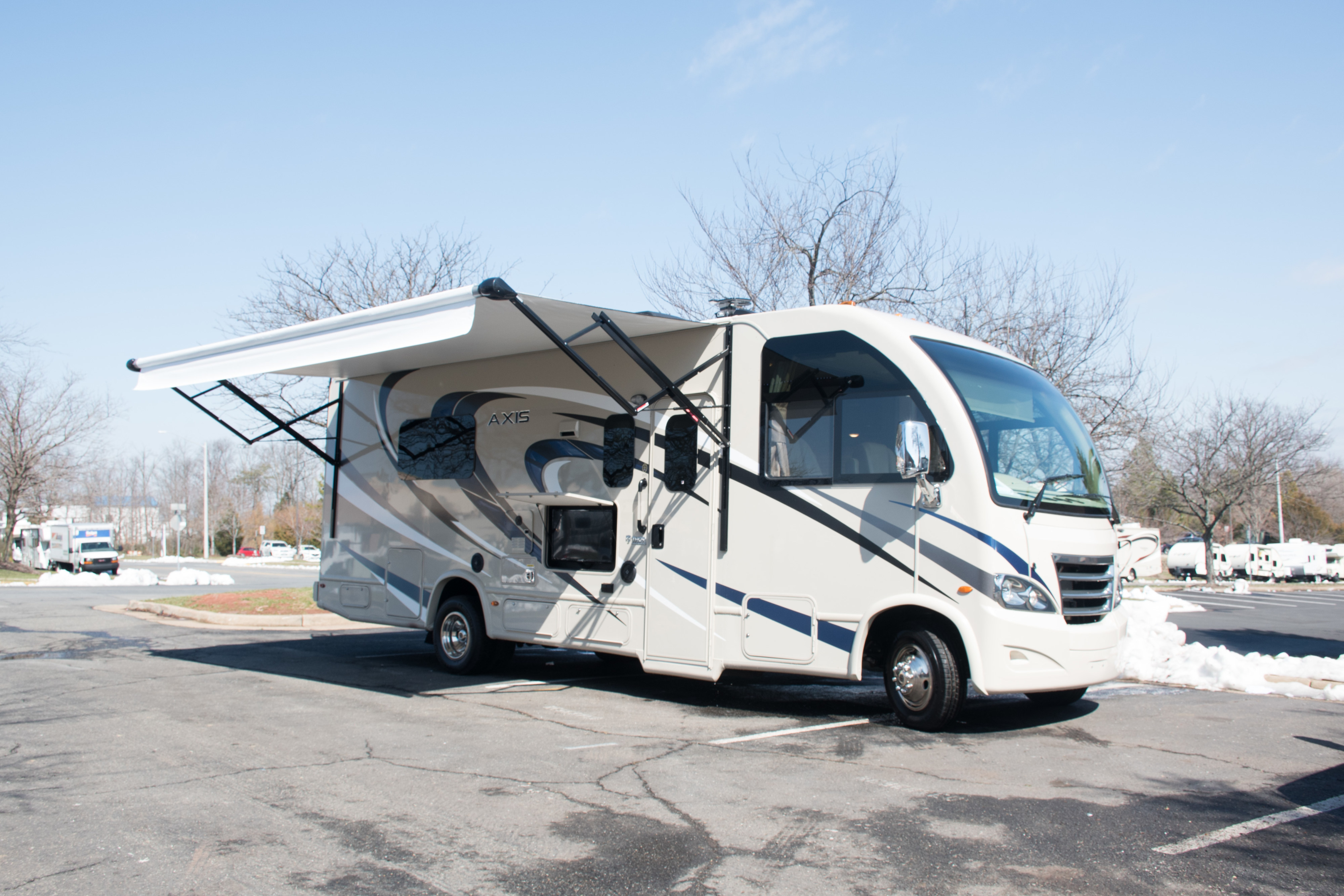
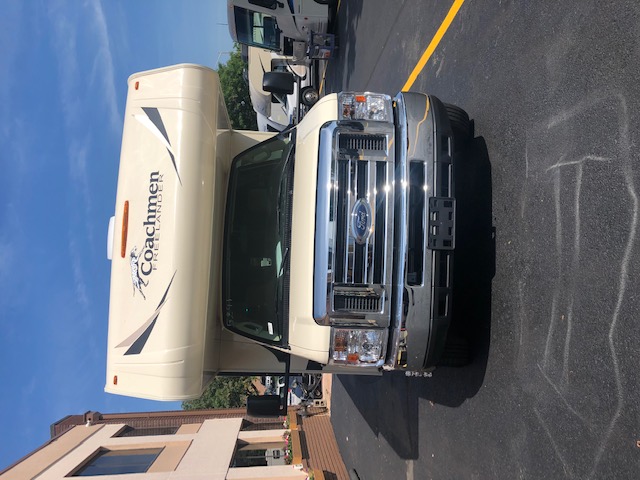
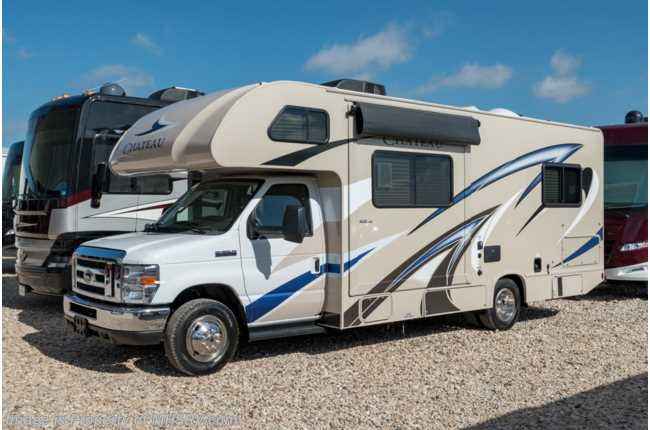
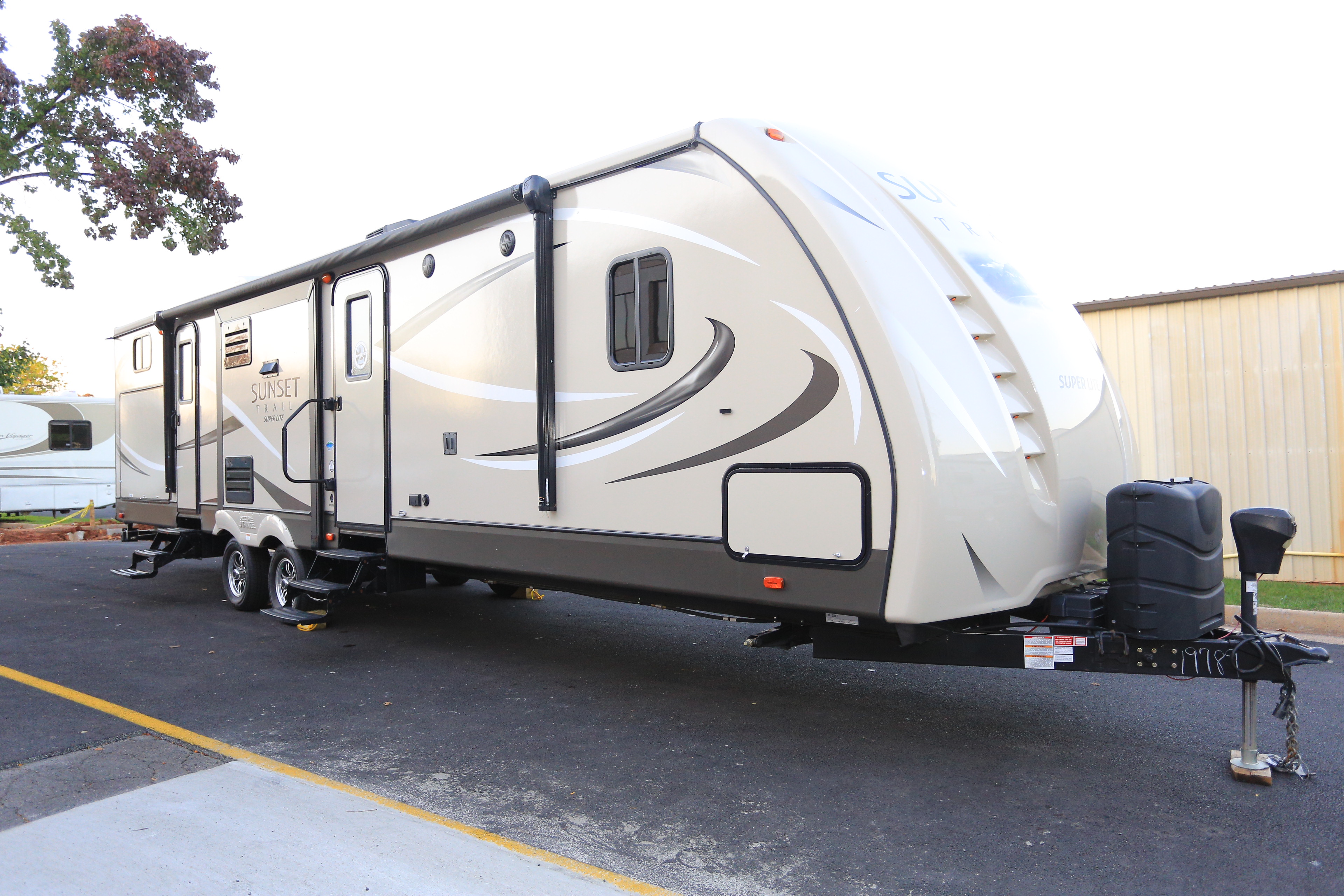
A rig in the 25-to-35-foot range hits the sweet spot for the loop — big enough to live in, small enough for most campgrounds and viewpoints. Campground length limits run 25 to 45 feet in the Tetons and 40 feet at most Yellowstone campgrounds (up to 95 feet only at Fishing Bridge), and a few park roads simply aren't built for big rigs.
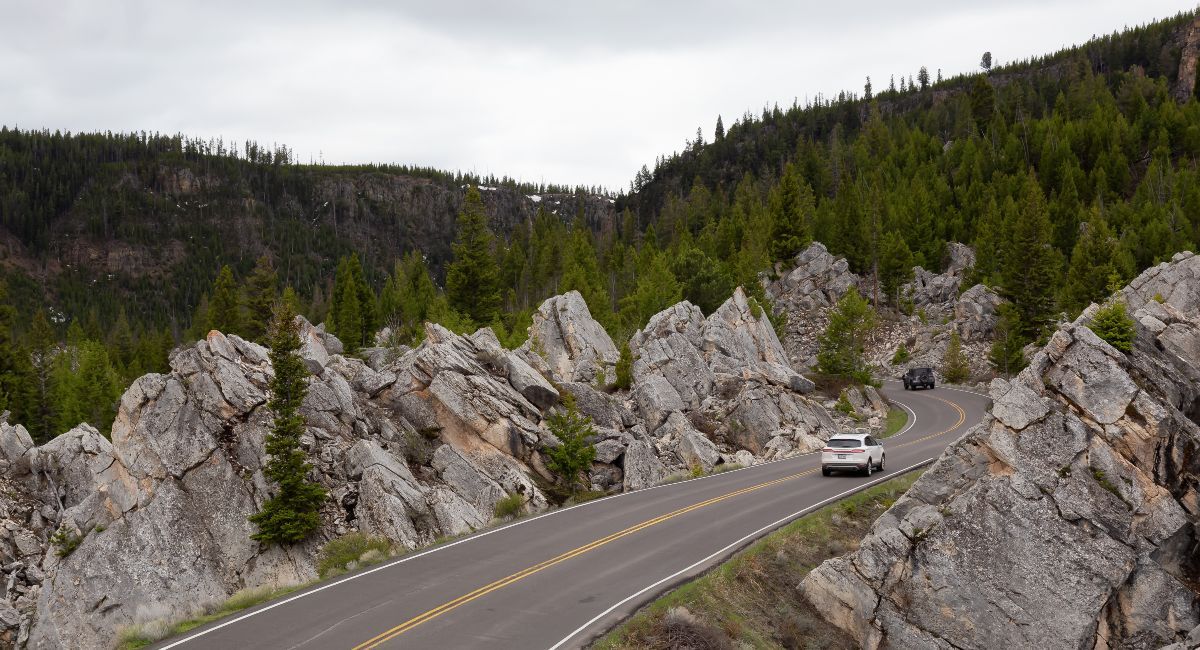
Two roads to keep a large motorhome off: Signal Mountain's summit road in Grand Teton bans trailers and RVs outright, and Yellowstone's tight, winding stretches — including the north-entrance approach and the Dunraven Pass area — are stressful in anything long. The fix is the same one experienced loop RVers use: rent a right-sized rig or tow a smaller vehicle for daily sightseeing, so the motorhome stays parked at camp and you explore the narrow roads and packed viewpoints in something nimble. Renters we hear from who downsized for this trip rarely regret it — the loop has more tight turns and full lots than they expected. If you're weighing rig types, it helps to think in terms of where you'll actually drive each day, not just where you'll sleep.
Key takeaways
- Give the loop five to seven days. Three is the floor; both parks are big and the roads are slow.
- Base in two or three spots: Colter Bay for the Tetons, then West Yellowstone and a northern base for Yellowstone's two loops.
- Your only in-park full-hookup anchors are Colter Bay RV Park and Fishing Bridge RV Park — plan hookup nights around them.
- A loop returns to start, so a same-place return is simplest — or have a rig delivered and skip the drive.
- Rent smaller or tow a car. Signal Mountain's summit road and Yellowstone's tight passes are no place for a big rig.
About this guide
This guide was prepared by the Outdoorsy editorial team. Route distances, drive times, campground hookups, and RV length limits were verified in June 2026 against primary sources — the National Park Service Yellowstone and Grand Teton camping pages — and cross-checked against published loop itineraries including Bearfoot Theory. Roads, reservations, and seasonal access change year to year — confirm current conditions before you travel.