
A Yellowstone summer in an RV is one of the great American road trips — geyser basins at sunrise, bison on the road, a campsite you can call home for a week. The trips that go smoothly all share one thing: planning that starts months before you arrive. Which month you pick, how early you book, and how you pack for the altitude decide whether you spend your days watching wildlife or sitting in traffic looking for parking.
The short version:
- June and September are the renter sweet spots; July and August are peak crowds and the hardest reservations.
- In-park RV sites release months ahead — count back from your dates and book the day they open.
- Pack for big swings: pleasant 60–75°F days, but nights drop into the 30s and 40s, with afternoon thunderstorms common.
- A two-base summer plan — West Yellowstone, then a northern base — cuts daily drive time across the park's huge loops.
- Most park roads are open by mid-June; the high Dunraven Pass was the last to open in 2026, on May 22.
When is the best time for a Yellowstone RV trip in summer?
For RVers, June and September are the sweet spots — fewer crowds, easier reservations, and pleasant weather — while July and August are peak season with the longest lines and the tightest campsites. If you can flex your dates, the shoulders of summer give you the same open roads with a fraction of the traffic.
Here's how the season shapes up. By mid-June, nearly all park roads are open; in 2026 the West Entrance loop opened April 17 and the high Dunraven Pass came online May 22, so a mid-to-late-June trip has the full park available with smaller crowds. July and August are when visitation peaks and midday traffic delays are routine around Old Faithful and Grand Prismatic. September flips it back: daytime temperatures still run a comfortable 60–75°F, visitor numbers drop sharply, the elk rut kicks off, and campsite availability improves. Owners near the West Yellowstone gate tell us their June and September renters have a noticeably easier trip than the July crowd — fewer lines, more open sites.
If this is your first park trip, our full Yellowstone National Park guide lays out the loops so you can match your dates to what you most want to see.
How early do you need to reserve Yellowstone RV camping for summer?
Book the day your window opens — Yellowstone's reservable in-park campgrounds release on a rolling schedule months ahead, and summer dates go fast. For a July trip, that often means reserving back in winter, the morning your specific dates become available.
The park's RV-capable campgrounds split into reservable and first-come. The five reservable ones book through Yellowstone National Park Lodges (moving to Recreation.gov for the 2027 season), and those are the sites that disappear first for summer. Renters we talk to who went in July all say the same thing — book the day your booking window opens, or you spend the trip chasing cancellations. If your dates are already inside the window and the in-park sites are gone, base at a private full-hookup park in a gateway town instead and day-trip in. For the full campground-by-campground breakdown of what fits and where the hookups are, see which Yellowstone campground fits your RV.
One planning note that saves a wasted day: an RV pickup with the walk-through orientation and a grocery run eats a chunk of day one, so don't schedule a long park drive for your arrival day.
What's the weather like for summer RV camping in Yellowstone?
Summer days are mild, but Yellowstone sits at altitude, so nights get cold and afternoons can turn stormy — plan for 60–75°F days, overnight lows in the 30s and 40s, and a real chance of afternoon thunderstorms. A self-contained rig with a working furnace makes the cold mornings a non-event.
The temperature swing is the part first-timers underestimate. We've heard from plenty of renters who packed for "summer" and got caught by 34-degree nights at altitude; the ones in heated, self-contained rigs barely noticed, while tent-style setups had a rough night. Pack layers, a warm sleeping setup, and rain shells, and check your rental's furnace and propane at pickup. Afternoon storms tend to build over the high country, so front-load hikes and boardwalk walks to the morning and keep flexible plans for the afternoon.
Is taking an RV to Yellowstone in summer actually a good idea?
Yes — for a multi-day summer trip, an RV is one of the best ways to do Yellowstone, as long as you plan around its two real trade-offs: the park is huge, and big rigs are hard to park at the marquee stops. The payoff is a comfortable home base inside or beside the park, with your bed, kitchen, and bathroom an arm's reach from the geysers.
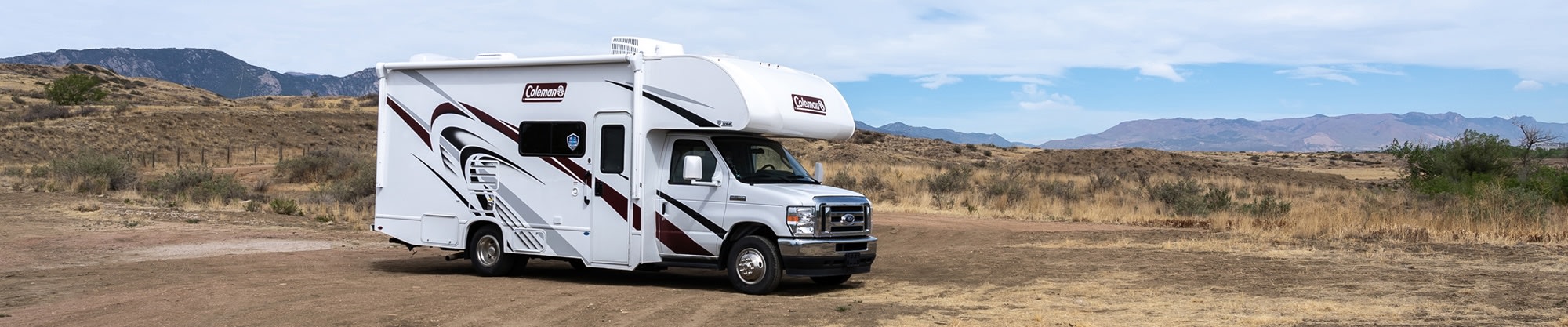
The honest catch is parking. Slotting a 30-foot motorhome into the lots at Old Faithful or Grand Prismatic during peak hours is genuinely tough, which is why so many experienced Yellowstone RVers tow a car and leave the big rig at camp each day. If you're renting, a right-sized rig matters more than a big one — here's how the RV classes compare so you can pick something you can still maneuver at a viewpoint. A camper van or smaller motorhome trades living space for the freedom to park almost anywhere.
For more on building the itinerary itself, our tips for planning an RV trip cover pacing, supplies, and route logic that apply whether you're solo or with the family.
How do you avoid the summer crowds with an RV?
Beat the crowds with three moves: go in June or September instead of July, start each day early, and run a two-base plan so you're not crossing the entire park daily. Together they turn the park's busiest season into a manageable one.
Timing is the biggest lever — shifting from mid-July to early June or September cuts wait times at major attractions dramatically. Within any week, mid-week beats weekends, and within any day, early beats late: getting to a gate or a marquee basin by around 6 a.m. is the renter trick for open parking and quiet boardwalks before the tour buses arrive. The third move is geography. Rather than basing in one spot and driving the whole park each day, split your stay — a few nights near West Yellowstone for the geyser basins, then a northern base for Lamar Valley and the wildlife. The eastern approach through the east-entrance gateway of Cody and the northern approach via Bozeman, a Yellowstone gateway both work well depending on your route, and you can size up a Yellowstone National Park RV rental for the trip. If you're extending the drive, it's easy to add Grand Teton to your route just to the south.
Key takeaways
- Go in June or September for the best mix of open roads, mild weather, and smaller crowds — skip mid-July if you can.
- Book the day your reservation window opens. Yellowstone's reservable RV campgrounds fill fast for summer; for July, that means booking in winter.
- Pack for the swing — 60–75°F days, 30s–40s nights, afternoon storms. A heated, self-contained rig is worth it.
- Tow a car or rent small so you can actually park at Old Faithful and Grand Prismatic.
- Run a two-base plan to cut daily drive time across the park's big loops.
About this guide
This guide was prepared by the Outdoorsy editorial team. Seasonal details like the 2026 road-opening dates, crowd patterns, summer temperatures, and reservation timing — were verified in June 2026 against primary sources: the National Park Service Yellowstone operating dates and camping pages and Recreation.gov's Yellowstone gateway, with seasonal planning cross-checked against Yellowstone Forever's camping FAQ. Road and reservation schedules change year to year — confirm current dates before you book.