Bruce Peninsula National Park offers exceptional RV camping at Cyprus Lake Campground with 232 campsites, featuring Canada's stunning turquoise waters at The Grotto, ancient limestone cliffs, and year-round outdoor adventures along Georgian Bay. Cyprus Lake Campground accommodates RVs up to 27 feet, while strategic locations like Owen Sound RV rentals and Tobermory RV options offer prime access to this 156-square-kilometer UNESCO World Biosphere Reserve just 300 kilometers from Toronto, making it perfect for weekend getaways.
Nestled along Southern Ontario's stunning Niagara Escarpment, Bruce Peninsula National Park captures the magic of Canada's natural beauty with Caribbean-blue waters, ancient cliff-edge cedars, and breathtaking limestone formations. Famous as part of a UNESCO World Biosphere Reserve, this 156-square-kilometer wonderland sprawls along Georgian Bay's pristine shoreline. Bruce Peninsula is the ultimate RV adventure since it's home to some of the most famous natural wonders, like The Grotto, a spectacular sea cave with turquoise waters that has become one of Ontario's most iconic destinations, and the rugged Georgian Bay coastline that offers endless opportunities for exploration.
You will be in store for a world of limitless adventure during your RV trip to Bruce Peninsula, from hiking the legendary Bruce Trail to canoeing crystal-clear inland lakes, bouldering at Halfway Log Dump, and swimming at Singing Sands beach. You can paddle or fish in Cyprus Lake, nestled within the campground itself. There is no shortage of great spots for photography and wildlife viewing, like the white quartzite cliffs or the diverse wetlands. You can even walk amongst ancient cedars that cling to cliff edges, some over 1,000 years old, at locations throughout the park. You will want to bring your binoculars because you might spot threatened species like peregrine falcons or Massasauga rattlesnakes.
The late spring and summer are peak seasons for RVers and other visitors since temperatures typically reach a pleasant 20 to 25 degrees Celsius. The early fall is a wonderful time of year to visit, too, with stunning autumn foliage and fewer crowds. In the colder months, Bruce Peninsula National Park transforms into a winter wonderland perfect for cross-country skiing and snowshoeing. While most roads remain accessible and Cyprus Lake Campground's Tamarack section and yurts stay open for winter camping, advance planning is essential. No matter what time of year you take your RV road trip to the Bruce Peninsula, you will be in for a once-in-a-lifetime adventure you will never forget.
Reservations are critical for visiting Bruce Peninsula, especially from mid-June through September and on holiday weekends. From May through October, parking at The Grotto, Halfway Log Dump, and Little Cove requires advance timed reservations through Parks Canada. The Cyprus Lake Campground fills quickly, so book your spot up to five months in advance when reservations open in mid-January.
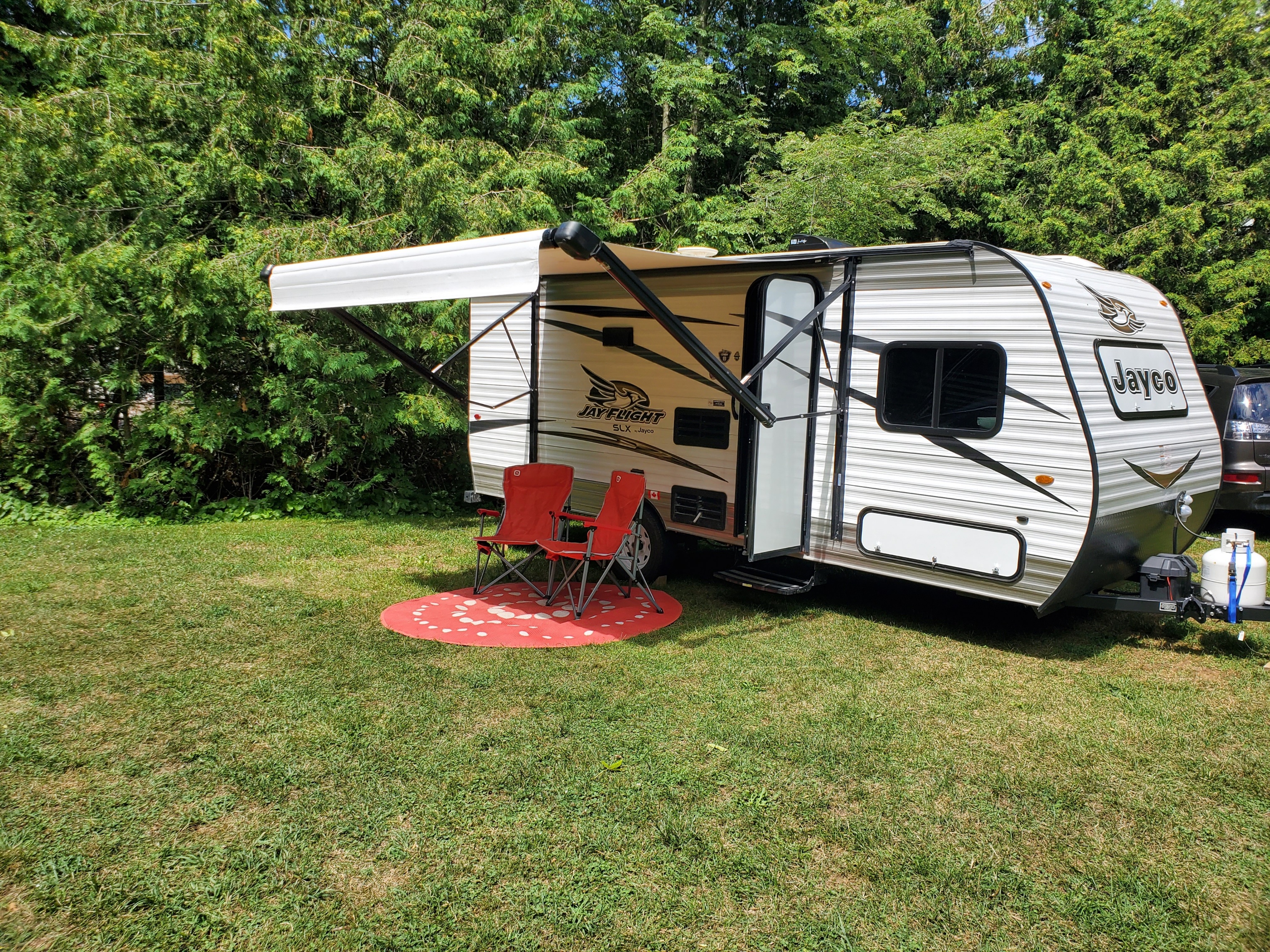
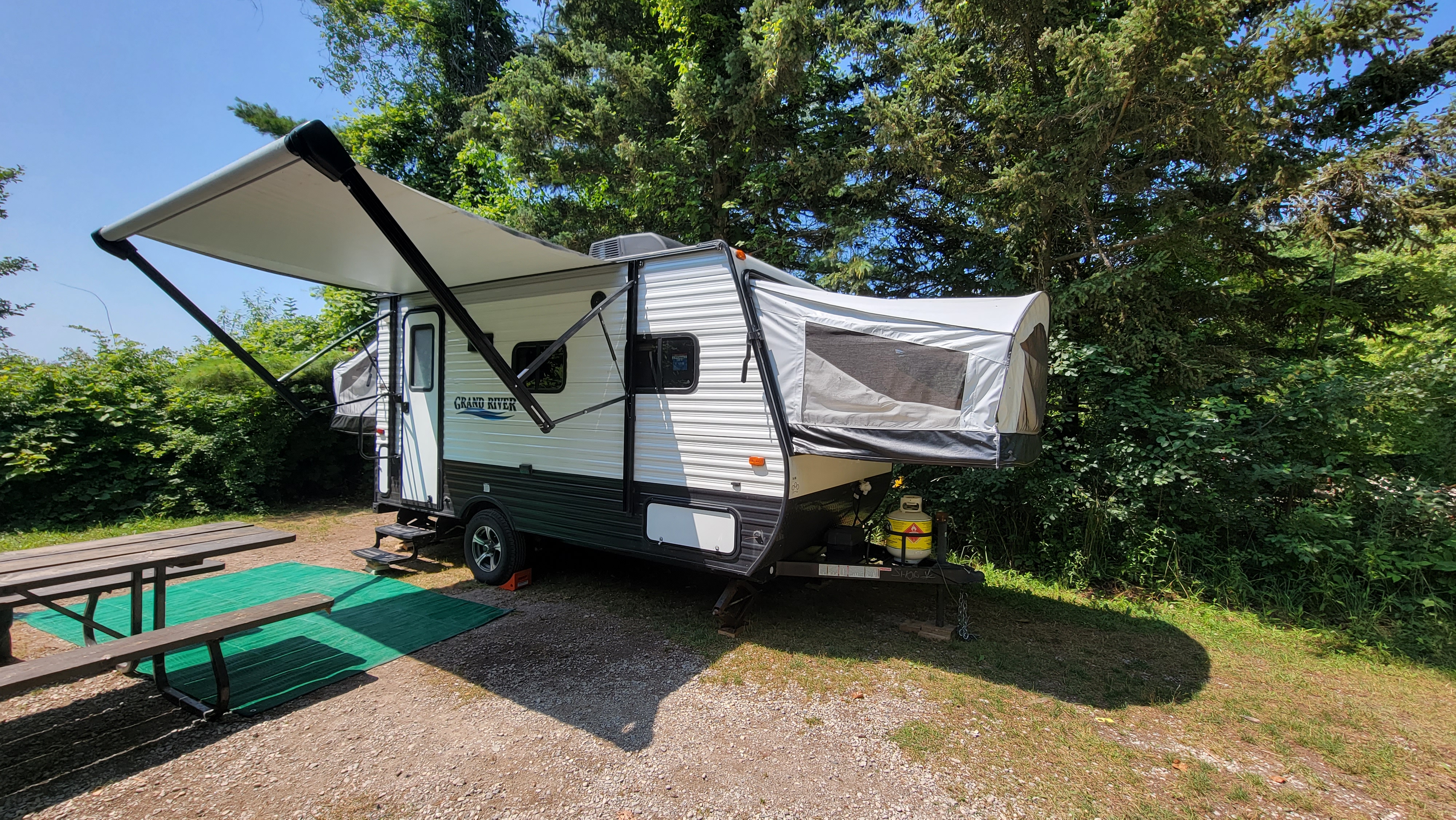
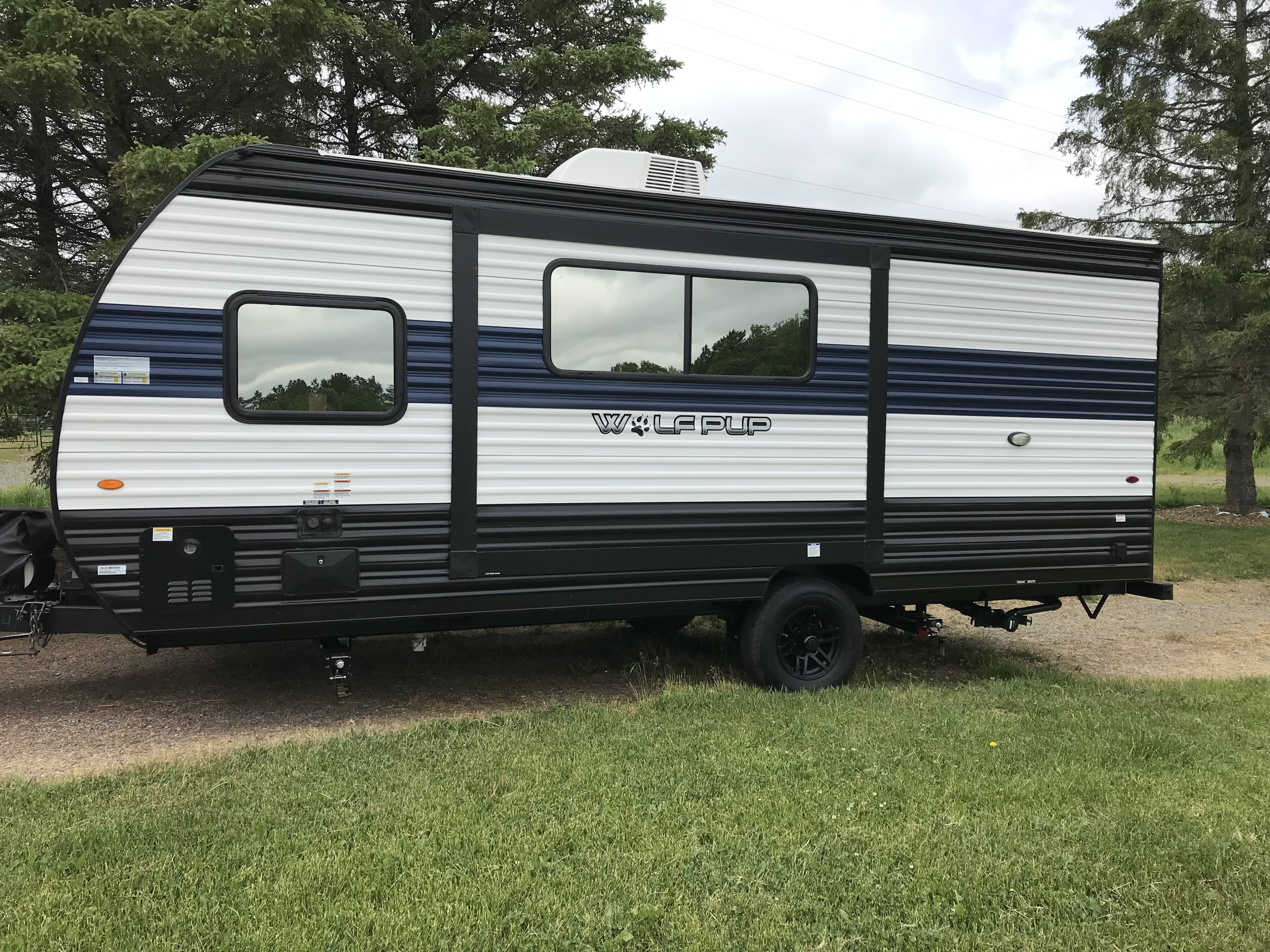
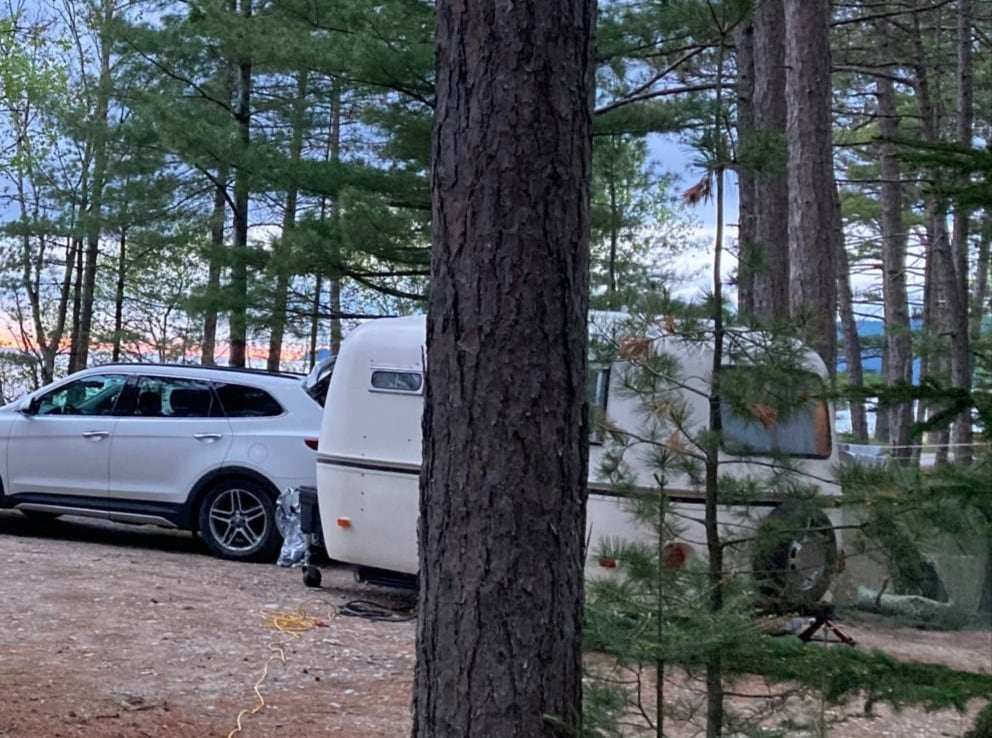
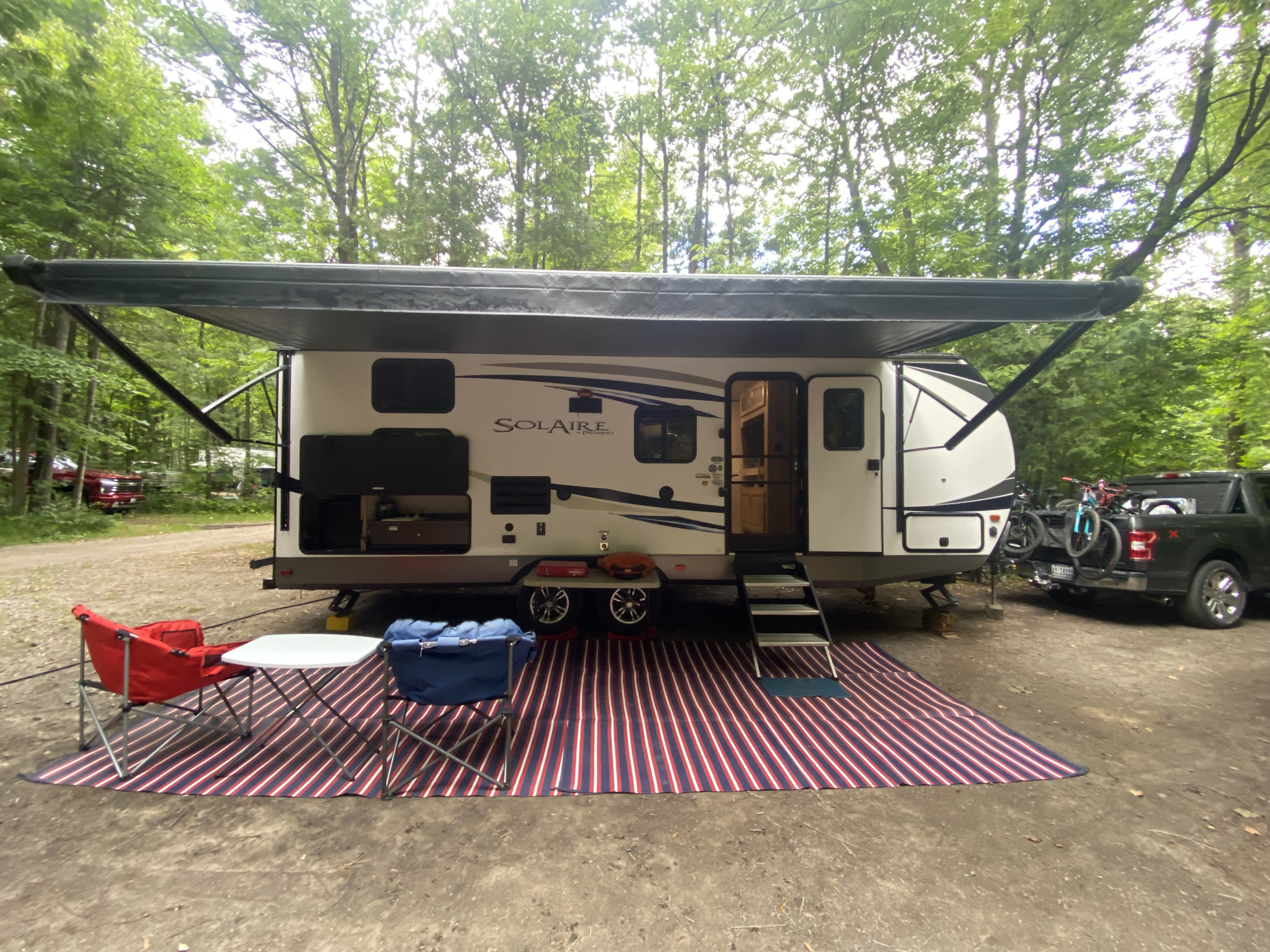
Bruce Peninsula National Park is located along Highway 6, about 4 kilometers southwest of Tobermory, Ontario, making it a simple drive-in park easily accessible by RVs, trailers, and motorized vehicles. From Toronto, the park is approximately 300 kilometers northwest—a comfortable 3.5 to 4-hour drive that makes it perfect for weekend trips. The roads within the park are paved and offer easy accessibility to different camping areas and trailheads. RVs up to 27 feet (8 meters) are permitted at Cyprus Lake Campground's Birches section, while Poplars and Tamarack sections accommodate tent trailers. There are no special driving restrictions within the park except posted speed limits and seasonal closures for winter conditions.
Southern Access via Owen Sound: Owen Sound RV rentals position you perfectly as the gateway to Bruce Peninsula, approximately 90 kilometers south of the park. This scenic city along Georgian Bay provides excellent access to supplies, services, and attractions like Inglis Falls before heading north to the Bruce Peninsula. The drive from Owen Sound takes about 90 minutes through picturesque countryside.
Northern Peninsula Access: Tobermory RV rentals offer the closest access to Bruce Peninsula National Park, located just 4 kilometers from Cyprus Lake Campground. This charming village at the tip of the peninsula serves as the perfect base for exploring both the national park and the nearby Fathom Five National Marine Park. Tobermory also provides ferry access to Manitoulin Island via the MS Chi-Cheemaun.
Birches Section
The Birches Campground serves as the main RV-friendly camping area at Cyprus Lake, featuring 99 pet-friendly campsites open to both RVs and tents. This campground accommodates RVs and trailers up to 27 feet (8 meters) in length. Sites are unserviced with no electrical, water, or sewer hookups. Amenities include picnic tables, fire pits with grills, potable water taps, cold water sinks, and a mix of outhouse-style and flush toilets. The groundbreaking Campground Hub opened in 2020, features an open-air pavilion with shower facilities, indoor washrooms, WiFi hotspot, playground, basketball net, mini soccer field, and outdoor theatre—a game-changer for the camping experience. Quiet hours run from 10 PM to 7 AM daily.
Campers staying at Cyprus Lake can hike directly to The Grotto from their campsite without needing day-use parking reservations—one of the biggest advantages of camping here. The scenic location along picturesque Cyprus Lake provides easy access to swimming, paddling, and the extensive trail system, including connections to the Bruce Trail. Firewood must be purchased from the park to prevent invasive species; outside firewood is strictly prohibited and will be confiscated.
Poplars Section
Poplars Campground is located in the Cyprus Lake area and primarily accommodates tent trailers and tents. This quieter section offers a more intimate camping experience with sites nestled closer to the lakeshore. Like Birches, all sites are unserviced. Campers here enjoy the same access to The Campground Hub facilities and can hike to The Grotto without additional parking reservations. The location provides excellent access to Cyprus Lake's beach area and the Horse Lake Trail.
Tamarack Section
Tamarack Campground rounds out the Cyprus Lake camping options with additional tent and tent trailer sites. This section is designated as a "no radio" quiet zone, making it ideal for visitors seeking maximum tranquility and a deeper connection with nature. Tamarack is one of the only sections that remains open for winter camping from November through April on a first-come, first-served basis, offering adventurous RVers and winter enthusiasts unique cold-weather camping experiences. Sites here require winter camping equipment and experience.
Cyprus Lake Yurts
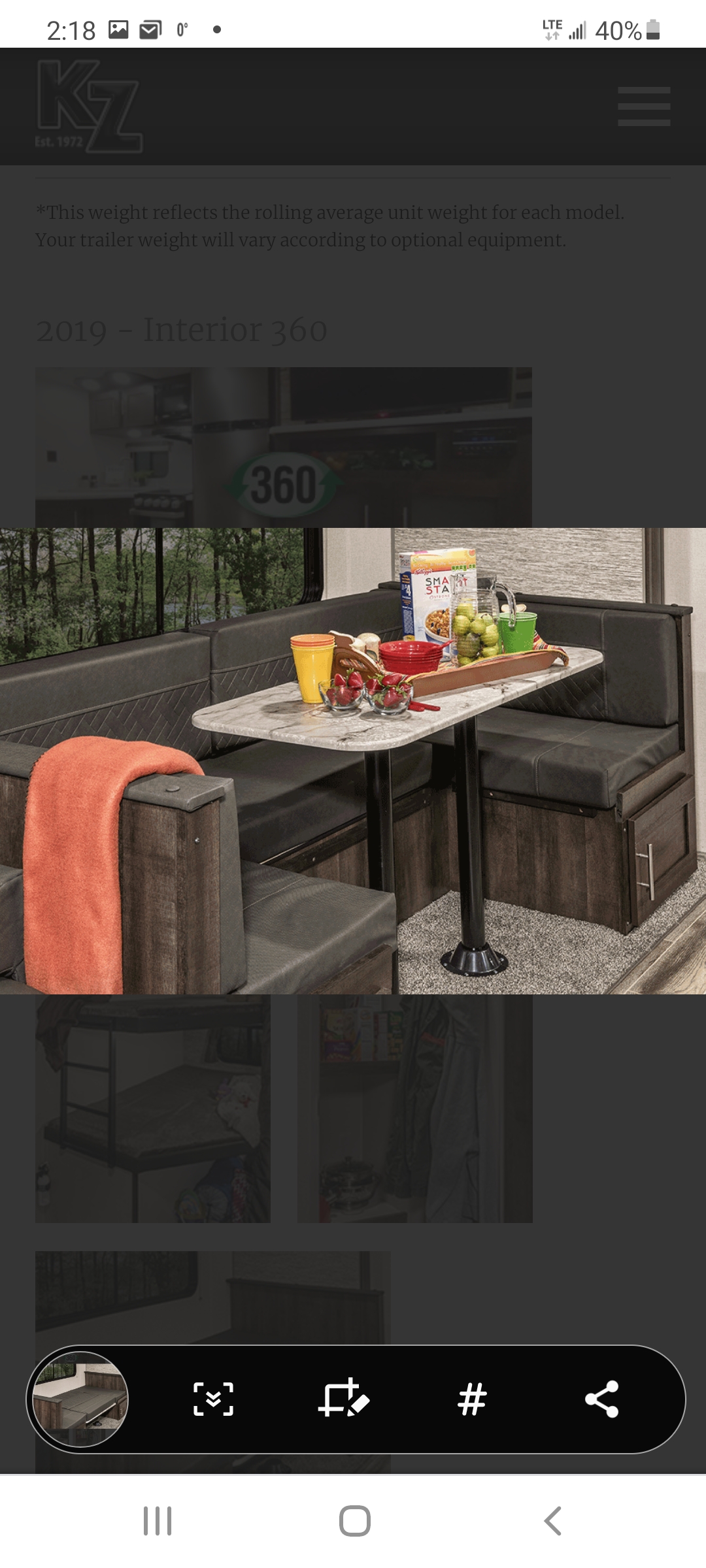
For those seeking a comfortable alternative to traditional RV camping, Bruce Peninsula offers 10 yurts located along the shores of Cyprus Lake. These large canvas structures come equipped with bunk beds, a dining table, propane heating, and a propane BBQ with a side burner on the deck. Yurts sleep up to six people and are pet-friendly. A heated comfort station with flush toilets, individual showers, and potable water is located adjacent to the yurt parking area. Yurts provide an excellent middle ground between tent camping and RV comfort, perfect for those who want to experience the park without towing a trailer. Reservations for yurts book up quickly and are available starting in November for the following season.
Bruce Peninsula National Park features various hiking trails that wind through forests in the park as well as along the rocky end of the park. Part of the 782 km (486 mile) Bruce Trail, which is the oldest and longest footpath in Canada, also passes through the park. RV campers that hike on these trails see spectacular scenery along the shoreline in the park and enjoy memorable experiences. These trails are found in the Cyprus Lake Area, Singing Sands Area, and the Visitor Center, and vary in difficulty from easy to strenuous. Hence, you have every opportunity to test your endurance on the trails that add up to 14 km (8.7 miles) in the park.
Cyprus Lake and the protected bays along Georgian Bay offer outstanding paddling opportunities. Motorboats are prohibited on Cyprus Lake, ensuring peaceful paddling conditions perfect for wildlife viewing and exploration. Canoe and kayak rentals are available from nearby outfitters in Tobermory. Paddle the sheltered waters of Cyprus Lake or venture into Georgian Bay's more exposed conditions for experienced paddlers. The coastline features countless coves and inlets to explore, with opportunities to spot nesting birds and unique geological formations. Morning paddles offer the calmest conditions and best wildlife viewing.
Halfway Log Dump has become a destination for boulderers seeking challenging climbs on the park's unique limestone formations. The area features numerous bouldering problems ranging from beginner to advanced difficulty. The limestone's solid holds and scenic setting make it popular with climbers. All climbing is unguided and at your own risk. Climbers must follow Leave No Trace principles and respect closures protecting cliff-nesting peregrine falcons during breeding season.
You can park your RV at Cyprus Lake Campground, which offers three distinct parking areas for the Birches, Poplars, and Tamarack camping sections. Each camping area has designated parking lots that accommodate RVs up to 27 feet in length. From May 1 to October 31, parking reservations are mandatory for accessing The Grotto, Halfway Log Dump (June 16-September 1), and Little Cove (May 15-October 15). These popular destinations operate on a timed-entry system with 4-hour or 6-hour time slots. First-come, first-served parking is only available at the Visitor Centre and Singing Sands areas during the summer months, though these lots fill early each morning and do not provide Grotto access. Overnight parking is available for registered campers at Cyprus Lake Campground.
Public transportation to Bruce Peninsula is limited but available through Parkbus, which operates express bus service from Toronto directly to Cyprus Lake Campground during peak season (typically May through October). This convenient option allows visitors without vehicles to access the park, though having an RV provides far greater flexibility for exploring the region. Within the park, trails and roads connect major destinations, but there are no shuttle services between park locations.
Summer transforms Bruce Peninsula's turquoise waters into Ontario's answer to the Caribbean. The Grotto, a stunning sea cave with crystal-clear blue-green water, becomes the park's most popular swimming destination. Brave souls can jump from cliff edges into deep water or snorkel through underwater passages that connect to Georgian Bay. Indian Head Cove offers excellent swimming with stunning limestone pebble beaches and clear water perfect for snorkeling. Cyprus Lake provides calmer waters ideal for families, with a sandy beach and swimming area right at the campground. Singing Sands beach on Dorcas Bay features warm, shallow waters perfect for children, along with pristine white sand. Always exercise extreme caution around cliffs—cliff jumping has resulted in serious injuries and deaths. Follow posted safety guidelines and never jump where you cannot verify depth.
For experienced winter campers, Bruce Peninsula offers unique cold-weather camping opportunities from November through April. The Tamarack section of Cyprus Lake Campground and select backcountry sites operate on a first-come, first-served basis. Winter camping requires specialized equipment, knowledge of cold-weather safety, and self-sufficiency. Yurts at Cyprus Lake remain open through winter, providing heated shelter with propane heating—a more comfortable alternative to tent camping. Winter camping fees are significantly reduced, and the solitude is unmatched.
Winter transforms Bruce Peninsula into a serene wonderland perfect for cross-country skiing and snowshoeing. Several trails remain accessible during winter months, including the Singing Sands area and trails around the Visitor Centre. The Tamarack Campground section and certain backcountry sites remain open for hardy winter campers willing to tackle snow and cold. The contrast of snow-covered cedars, frozen waterfalls, and ice-trimmed cliffs creates magical landscapes. Winter visitors should be experienced in cold-weather activities, carry appropriate safety equipment, and check conditions before venturing out.
The Grotto and Georgian Bay shoreline create spectacular ice formations in winter, with frozen waterfalls and ice caves providing stunning photographic opportunities. Exercise extreme caution near cliffs, which become dangerously slippery with ice. The rewards for careful exploration include ice sculptures, frozen spray patterns, and winter landscapes unlike anywhere else in Ontario. Proper winter footwear with traction devices (ice cleats or crampons) is essential for safe winter exploration.
For more Ontario camping adventures, check out our guide to Killarney Provincial Park or explore Georgian Bay Islands National Park.
Spring awakens Bruce Peninsula with an explosion of color as wildflowers blanket the forest floor and alvars. From late April through June, the park transforms into a botanical showcase featuring rare orchids like the ram's head lady slipper, along with trilliums, hepaticas, and the unique flora of the alvar habitat at Singing Sands. The short boardwalk trail at Singing Sands Fen offers accessible viewing of insect-eating plants and delicate wetland species in this extremely rare ecosystem. Pack your camera and plant identification guide for an unforgettable spring hiking experience.
The spring migration brings hundreds of bird species through Bruce Peninsula, making it a prime time for birdwatchers. The park's diverse habitats—from rocky shorelines to mixed forests—attract warblers, thrushes, waterfowl, and raptors. May is particularly spectacular as songbirds pass through on their northward journey. The threatened peregrine falcon nests on cliff faces, and lucky visitors might spot these magnificent raptors. Bring binoculars and visit various habitats throughout the day for the best birding opportunities.
Spring offers ideal temperatures for tackling sections of the legendary Bruce Trail, Canada's oldest and longest marked footpath at 900 kilometers total. The trail passes directly through Bruce Peninsula National Park, offering everything from easy lakeside walks to challenging cliff-edge hikes. Spring's cooler temperatures make longer hikes more comfortable, and you'll avoid summer crowds. The Georgian Bay Trail to The Grotto is less congested in spring, allowing for a more contemplative experience of this iconic destination.
While the park itself doesn't offer maple syrup production, the surrounding Bruce County region celebrates maple syrup season in March and April. After exploring the park, visit local sugar bushes for pancake breakfasts and tours showcasing this sweet Canadian tradition. The Sauble Falls Provincial Park area hosts several maple syrup operations open to visitors.
The crystal-clear waters of Georgian Bay and nearby Fathom Five National Marine Park offer world-class diving and snorkeling. The Grotto's underwater passages provide unique snorkeling experiences, though only for strong swimmers comfortable in deep water. Nearby Fathom Five features over 20 shipwrecks ranging from shallow snorkeling sites to deep technical dives. Local dive shops in Tobermory offer equipment rentals, fills, and guided dive trips. The region's cold, fresh water provides exceptional visibility and preserves shipwrecks in remarkable condition.
September and October transform Bruce Peninsula into a photographer's paradise as maples, birches, and oaks burst into vibrant reds, oranges, and yellows. The contrast of autumn colors against white limestone cliffs and turquoise Georgian Bay waters creates unforgettable images. The best foliage typically peaks in early to mid-October. Popular photography locations include the Georgian Bay shoreline, Cyprus Lake reflections, and cliff-edge viewpoints along the Bruce Trail. Sunrise and sunset provide dramatic lighting, while overcast days create rich, saturated colors.
Fall's crisp temperatures make hiking more comfortable than summer heat, and reduced crowds mean more solitude on popular trails. The Grotto and Indian Head Cove take on different characters in fall light, with autumn leaves carpeting forest trails. Cooler temperatures also mean fewer insects—a significant benefit for hikers. Layer clothing for variable weather and pack warm gear, as temperatures can fluctuate significantly.
Fall brings changes in wildlife behavior as animals prepare for winter. White-tailed deer become more active during rut season, and bears fatten up before hibernation. Migrating birds pass through the park heading south, offering excellent birding opportunities. Hawks and other raptors soar along the escarpment, using thermal currents for migration. Early morning and evening offer the best wildlife viewing opportunities.
During fall, Parks Canada offers interpretive programs and guided walks that highlight the park's natural and cultural history. These programs provide excellent opportunities to learn about the park's ecology, geology, and Indigenous heritage from expert interpreters. Check at the Visitor Centre for current program schedules and topics.