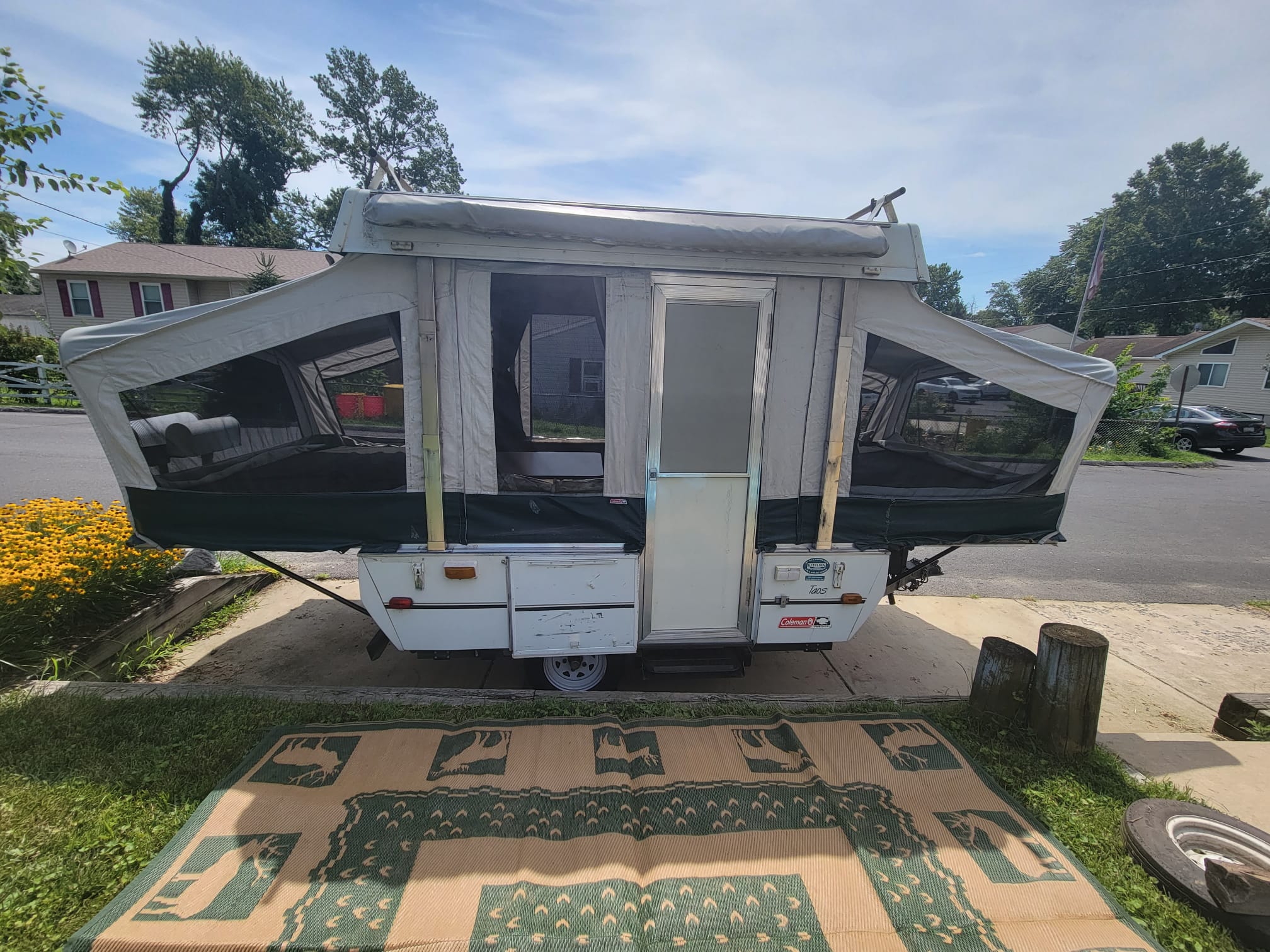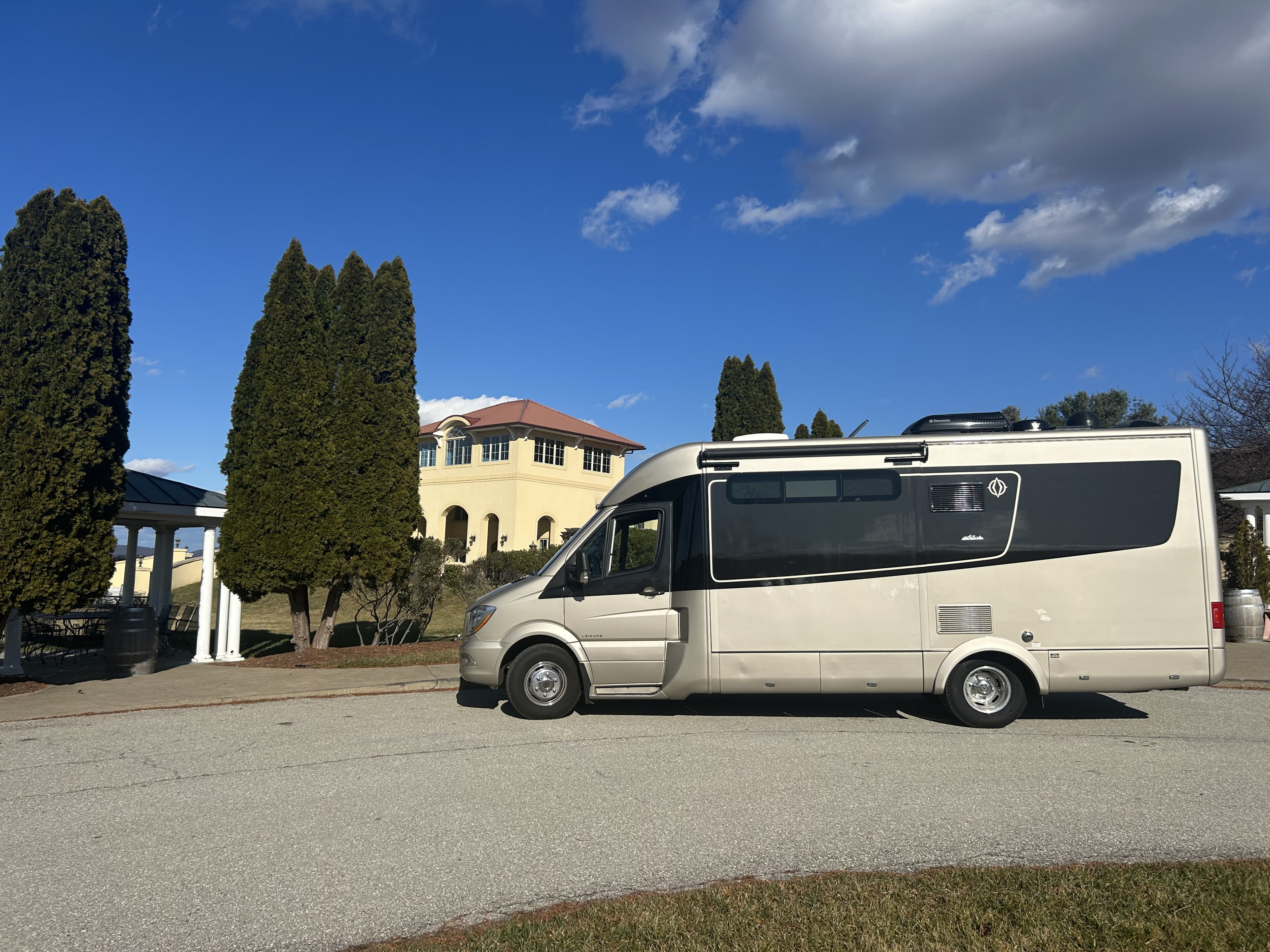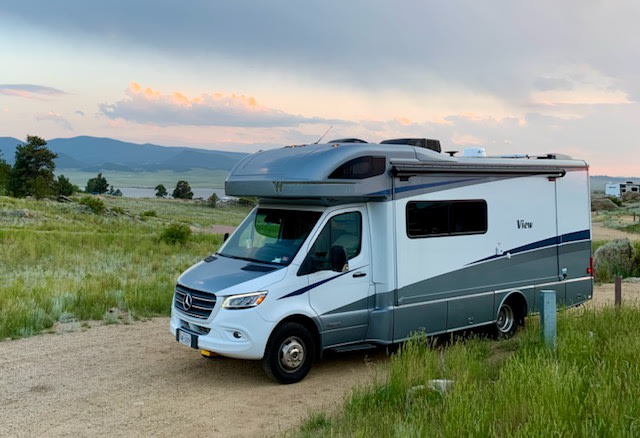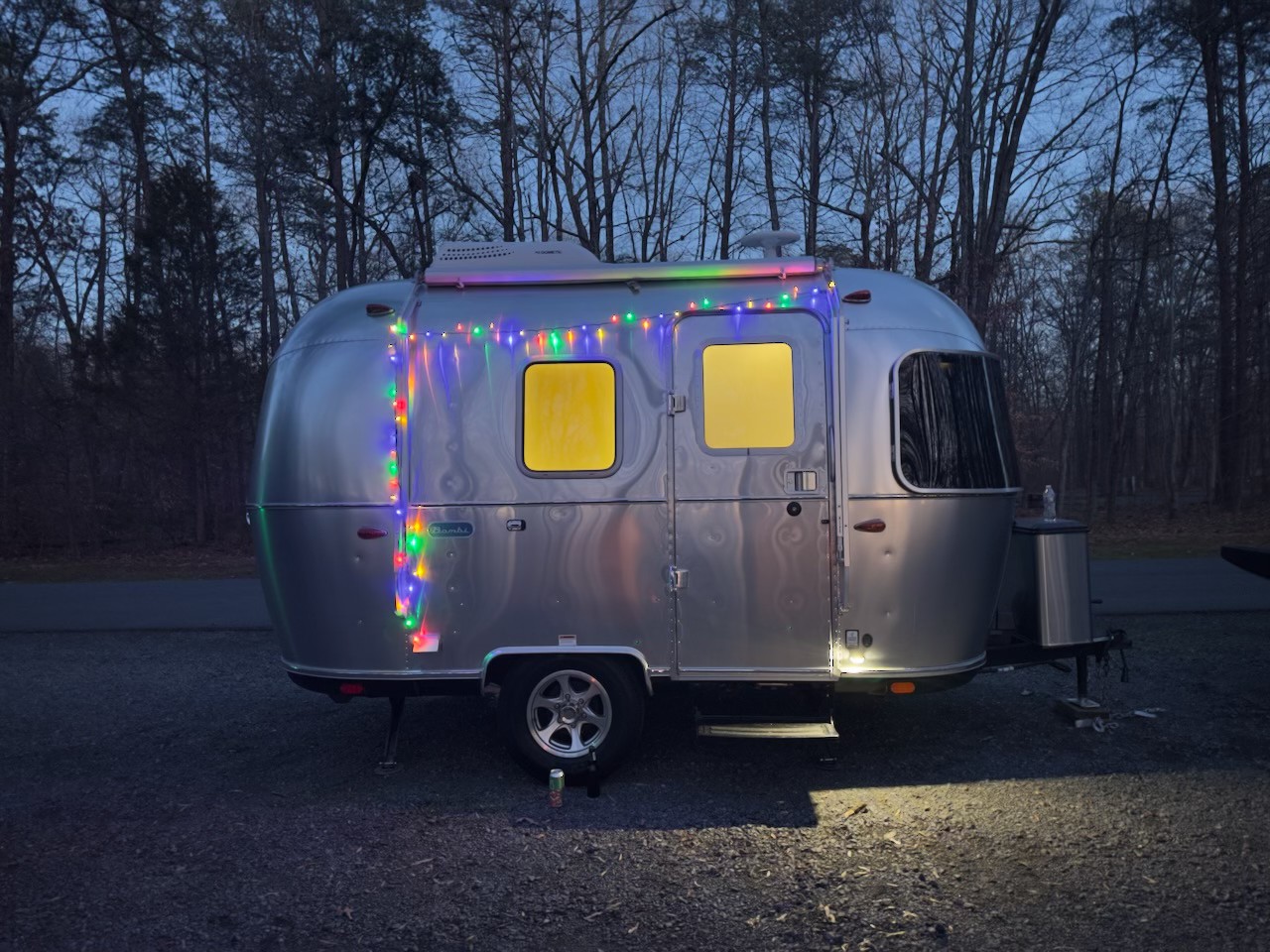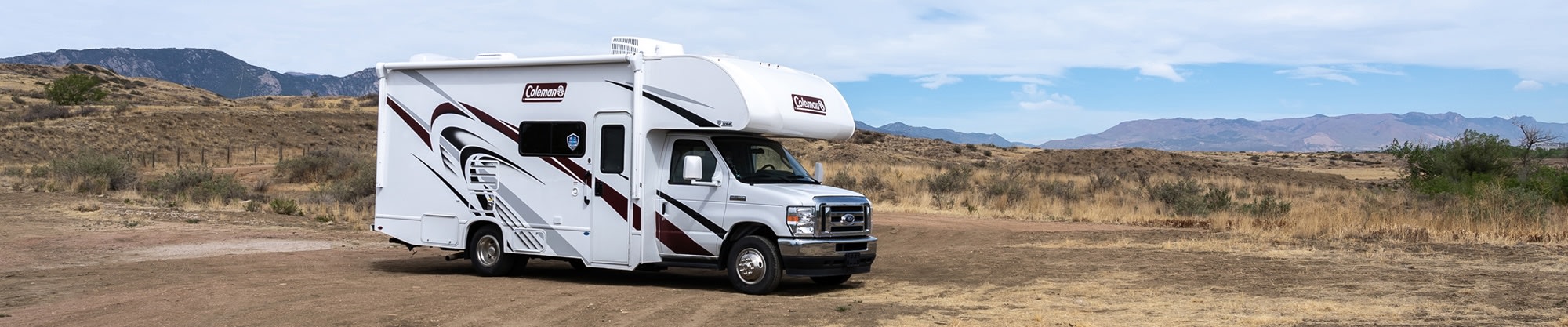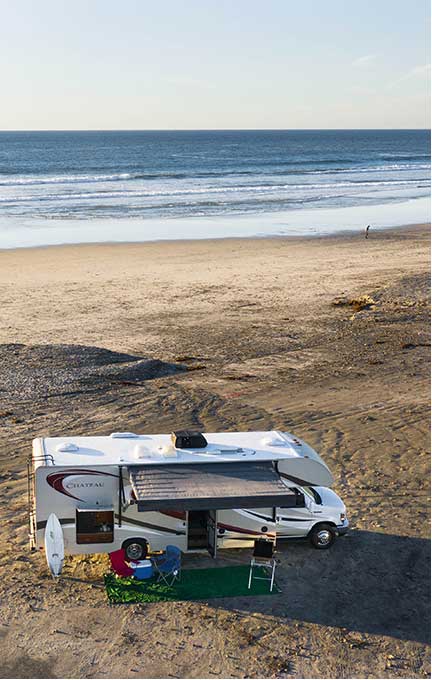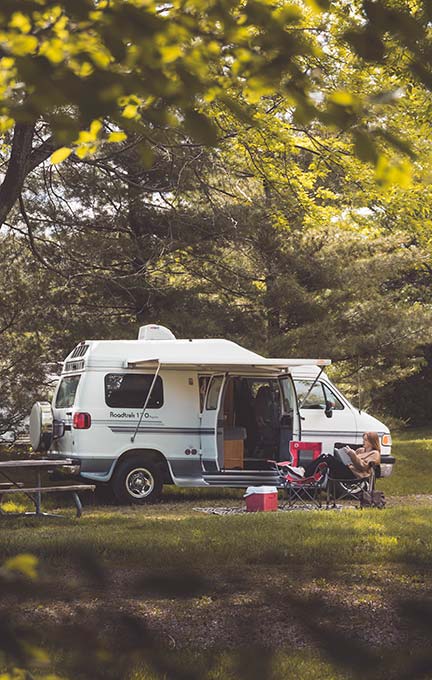

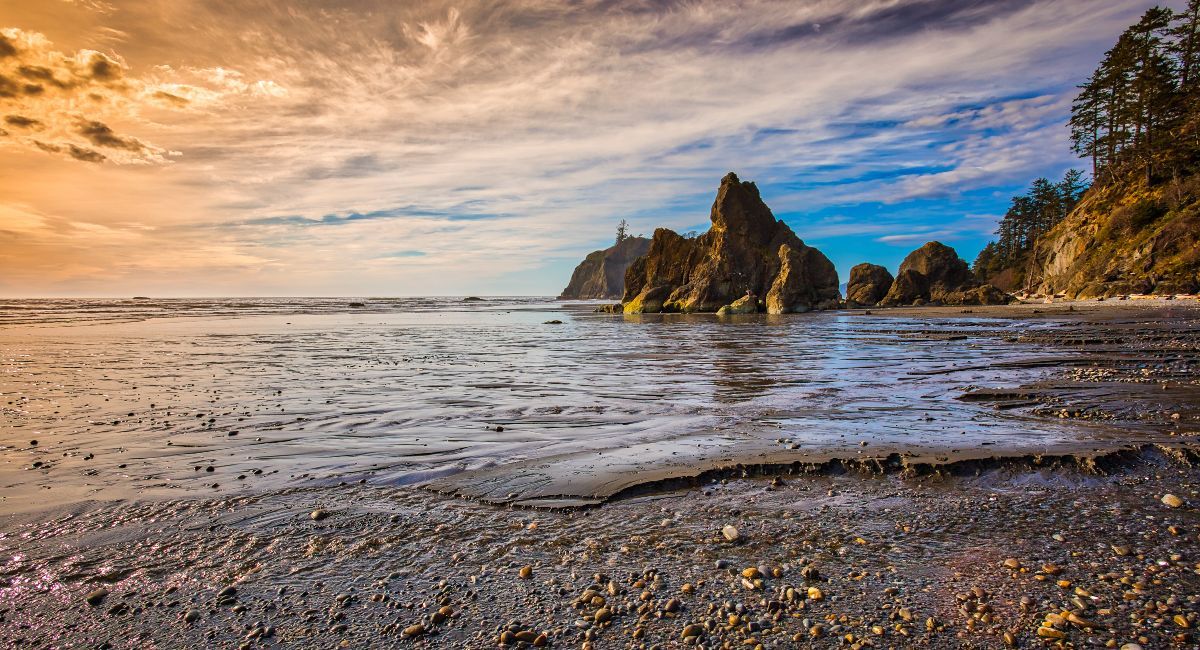
Olympic is the national park where your RV trip changes landscapes three times without leaving the same peninsula. You wake up to Pacific surf at Kalaloch, drive two hours inland to the Hoh Rainforest where moss hangs from every branch, and by evening you're looking at alpine snowfields from Hurricane Ridge. In our rental data, it's the park where travelers most often extend their trip — they book four nights and come back asking if they can add two more.
Fourteen campgrounds spread across three ecosystems; Pacific coast, temperate rainforest, and alpine mountains, with most accepting rigs up to 35 feet and one offering actual hookups. Here's how to plan a campground-hopping route through all of it.
At a Glance
- Three ecosystems, one park. Pacific coastline, temperate rainforest, and alpine mountains — each with its own campgrounds, accessed by spur roads off Highway 101
- 14 campgrounds total. 5 take reservations (Recreation.gov), 9 are first-come, first-served. Year-round camping at 8+ campgrounds
- RV size limits are generous. Most campgrounds accept up to 35 feet on select sites. Kalaloch fits rigs up to 45 feet, Hoh Rainforest up to 55 feet
- Sol Duc is the only hookup campground — 17 RV sites with water and 50-amp electric ($58–65/night). Hot springs access included
- Hurricane Ridge isn't practical for big RVs. The 18-mile alpine road gains 5,000 feet with tight switchbacks — stick to rigs under 21 feet or drive up in your tow vehicle
- Nearest rental cities: Seattle (2.5 hours), Portland, OR (4 hours)
What makes Olympic different for RV camping?
Most national parks give you one landscape. Olympic gives you three — and the shift between them happens fast enough that you feel it inside a single day's drive.
Three ecosystems, three campground zones
The Olympic Peninsula is ringed by Highway 101, with spur roads branching into each zone:
- Pacific Coast (west side): Sea stacks, tide pools, driftwood beaches. Kalaloch and Mora campgrounds sit on ocean bluffs and coastal forest. The stretch between Ruby Beach and Beach 4 is some of the most dramatic coastline in the continental U.S.
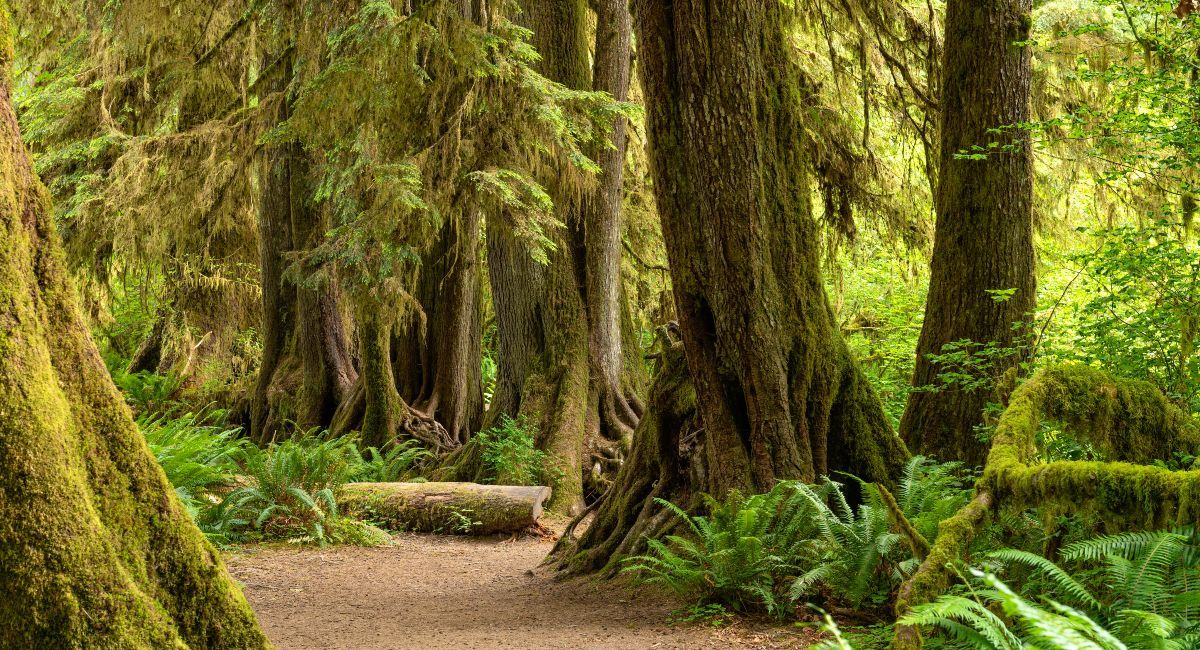
- Temperate Rainforest (interior valleys): The Hoh, Quinault, and Queets rain forests receive 12–14 feet of rain annually. Moss-draped Sitka spruce, Roosevelt elk herds, emerald canopy. Hoh Rainforest Campground is the gateway.
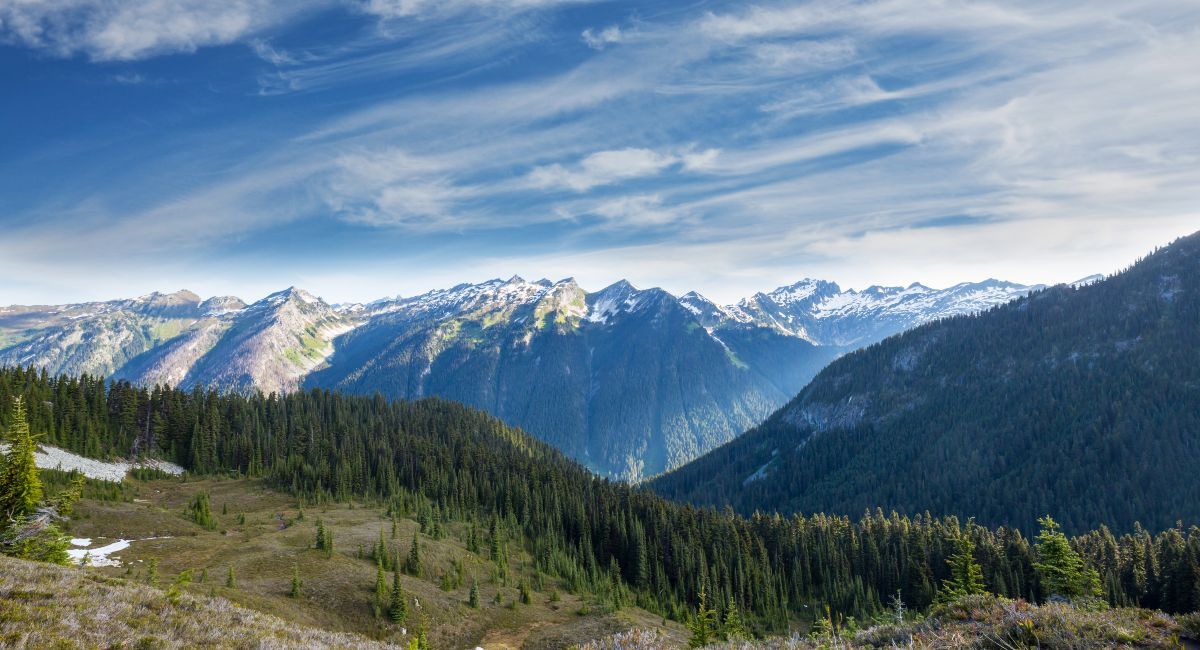
- Alpine Mountains (northern ridge): Hurricane Ridge rises to 5,200 feet with wildflower meadows, mountain goats, and views across the Strait of Juan de Fuca to Canada on clear days.
Why RV travelers benefit
Each zone requires a separate drive from Highway 101 — you can't walk between ecosystems here. An RV lets you base at a coastal campground for two nights, pack up, and relocate to the rainforest without breaking down a tent camp. The highway connections are straightforward and RV-friendly. The spur roads vary — most handle 35-foot rigs, but some alpine and backcountry roads narrow significantly.
No entrance reservations
Unlike some parks that have adopted timed-entry or vehicle reservation systems, Olympic doesn't gate access. You buy a $30 vehicle entrance pass ( for 7 days) or use an American Beautiful Pass ($80 for the annual pass)and drive in whenever you want.
Which Olympic campgrounds are best for RVs?
Olympic has 14 front-country campgrounds. Organizing them by ecosystem zone is the clearest way to plan an RV route — you'll likely camp in at least two zones during a visit.
Pacific Coast zone
Kalaloch Campground — the flagship
- Sites: 170 (+ 1 group site)
- RV length: Up to 45 feet on select sites; most 21 feet
- Season: Year-round (reservations required May 15–September 20; FCFS otherwise)
- Fee: $24/night; $48 group
- Amenities: Flush toilets, potable water, dump station ($10)
- Setting: Ocean bluff with some sites overlooking the Pacific
Kalaloch is Olympic's largest campground and one of the few NPS campgrounds anywhere where you can hear surf from your site. Six bluff-edge sites have been permanently closed due to erosion — the coastline is actively retreating here, which is part of the drama. The dump station, year-round operation, and 45-foot capacity on select sites make this the most practical RV base on the coast.
Mora Campground — gateway to Rialto Beach
- Sites: 94 (+ 1 group site)
- RV length: 21 feet standard; select sites up to 35 feet
- Season: Year-round (reservations required May 15–September 20; FCFS otherwise)
- Fee: $24/night; $48 group
- Amenities: Flush toilets, potable water, dump station ($10)
- Setting: Coastal forest along the Quillayute River, 2 miles from Rialto Beach
Mora puts you within walking distance of Rialto Beach — the sea-stack-studded stretch that shows up in every Olympic photo. The campground sits in forest, not on the bluff, so you're sheltered from coastal wind. Dump station is a plus for multi-day stays.
South Beach Campground — ocean panoramas, no reservations
- Sites: 50
- RV length: 21 feet standard; select sites up to 35 feet
- Season: Mid-May–mid-October (FCFS only)
- Fee: $20/night
- Amenities: Flush toilets; no potable water, no dump station
- Setting: Open ocean bluff with panoramic Pacific views
South Beach is the FCFS coastal alternative when Kalaloch reservations are sold out. Sites sit on an exposed bluff — incredible views, but bring water (none available) and expect wind. No dump station means shorter stays unless you're managing tanks well.
Rainforest zone
Hoh Rainforest Campground — the must-see
- Sites: 78 (+ 1 group site)
- RV length: Up to 55 feet (one site fits 60 feet) — the most RV-generous campground in the park
- Season: Year-round (reservations required June 12–September 6; FCFS otherwise)
- Fee: $24/night; $48 group
- Amenities: Flush toilets, potable water. Dump station permanently closed
- Setting: Riverside sites under old-growth Sitka spruce and big-leaf maple draped in club moss
The Hoh is the headline. The campground sits along the Hoh River inside one of the largest temperate rainforests in the Western Hemisphere. RV size limits are the most generous in the park — even large Class A rigs can find sites here. The catch: the dump station is permanently closed, so plan tank dumps at Kalaloch or Mora if you're coming from or heading to the coast.
Sol Duc Hot Springs Resort Campground — the only hookups in the park
- Sites: 82 tent/standard + 17 RV sites with hookups
- RV length: RV park sites: 20 feet (1 site), 26 feet (7 sites), 36 feet (9 sites); 4 sites accommodate slide-outs
- Season: March 20–October 31, 2026 (reservations required)
- Fee: $40/night standard; $58–65/night RV hookup sites
- Amenities: Flush toilets, potable water, dump station ($10), water and 50-amp electric hookups on RV sites. Three mineral hot spring pools (98–107°F) and a freshwater swimming pool
- Setting: Old-growth forest along the Sol Duc River
Sol Duc's RV sites with 50-amp hookups are the most-requested campground on the Olympic Peninsula in our booking data. Travelers who've dry-camped for three nights on the coast specifically seek out Sol Duc for the hookups and the hot springs — that combination doesn't exist anywhere else in the NPS system. Book early — the 17 hookup sites fill fast.
Lake and mountain zone
Fairholme Campground — Lake Crescent
- Sites: 88 (19 tent-only)
- RV length: Up to 35 feet
- Season: May 15–September 29, 2026 (reservations required)
- Fee: $24/night
- Amenities: Flush toilets, potable water, dump station ($10)
- Setting: Lake Crescent shoreline with boat launch access
Lake Crescent is a glacially carved lake with water so clear you can see the bottom at 60 feet. Fairholme sits at the east end with a boat ramp and swimming beach. The dump station and 35-foot capacity make it a solid RV stop between the coast and Port Angeles.
Heart O' the Hills Campground — Hurricane Ridge base camp
- Sites: 97
- RV length: Up to 35 feet on select sites
- Season: Year-round (FCFS only)
- Fee: $24/night
- Amenities: Flush toilets, potable water; no dump station
- Setting: Old-growth forest at the base of Hurricane Ridge Road
Heart O' the Hills is where you park your RV if you want to visit Hurricane Ridge without driving a big rig up the alpine road. The campground sits at the start of the 18-mile climb — drive up in a tow vehicle or smaller rig. Year-round access and no reservation requirement make it a reliable base, though summer sites fill by late morning.
Staircase Campground — southeast corner
- Sites: 49
- RV length: Up to 35 feet on select sites
- Season: Seasonal (reservations required July–September)
- Fee: $24/night
- Amenities: Flush toilets, potable water (seasonal)
- Setting: Skokomish River in old-growth forest
- ⚠️ Note: Staircase was inaccessible due to the Bear Gulch Fire as of late 2025. Check current NPS alerts before planning a visit.
Campgrounds that don't work for RVs
- Deer Park: 14 tent-only sites at 5,400 feet. Steep, winding gravel access road — RVs prohibited.
- Graves Creek: 30 sites in the Quinault Rain Forest. No RVs — road too narrow.
- North Fork: 9 remote sites. Not recommended for RVs.
- Queets: 20 sites. Only reachable via Upper Queets Road — not RV-friendly.
- Ozette: 15 sites on Lake Ozette. Some sites accommodate 21 feet, but limited and primitive.
Does Olympic National Park have RV hookups or dump stations?
The short answer on hookups: one campground, and it's worth planning your route around.
The hookup option
Sol Duc Hot Springs RV Park is the only campground inside Olympic National Park with hookups — 17 sites with water and 50-amp electric service. At $58–65/night, it's the premium option, but you're paying for hookups, a dump station, and access to natural hot spring pools. No sewer hookups — you'll still need to use the dump station.
Dump stations inside the park
- Kalaloch: $10/use, available year-round (50% discount with Senior/Access pass)
- Mora: $10/use, available year-round
- Fairholme: $10/use, available May–September
- Sol Duc: $10/use, available March–October
- Hoh Rainforest: Permanently closed — plan accordingly
If you're campground-hopping across zones, time your dump stops with campground transitions. Moving from Kalaloch (coast) to Sol Duc (rainforest) is a natural dump-and-refill sequence.
Gateway hookup alternatives
Log Cabin Resort on Lake Crescent — 38 sites with water and electric hookups, showers, laundry, restaurant. Private concessioner inside the park boundary. Call 888-896-3818 for reservations.
Port Angeles has several private RV parks with full hookups (water, electric, sewer) within 30 minutes of the park's north entrance. Useful for a hookup night between in-park dry camping stays.
Can you drive an RV to Hurricane Ridge?
We hear it from renters every summer: "I wish someone had told me Hurricane Ridge Road isn't an RV road." The road is technically open to all vehicles, but the reality makes it impractical for larger rigs.
The road
Hurricane Ridge Road runs 18 miles from the Olympic National Park Visitor Center in Port Angeles to the Hurricane Ridge summit at 5,242 feet. That's 5,000 feet of elevation gain with tight switchbacks, narrow lanes, and no guardrails in some sections. The grade and turns make it uncomfortable — and in some cases unsafe — for vehicles over 21 feet.
What works
- Campervans and truck campers (under 21 feet): You're fine. The views from the top — snowcapped Olympics, the Strait of Juan de Fuca, Vancouver Island on clear days — are worth the climb.
- Class C motorhomes and trailers: Leave them at Heart O' the Hills campground at the base and drive up in a tow vehicle.
- Class A rigs: Don't attempt it.
The payoff
Hurricane Ridge is Olympic's alpine zone — wildflower meadows in July and August, mountain goats, and a visitor center with 360-degree views. The Sunrise Ridge Trail and Hurricane Hill Trail start from the parking area. Even if you can't drive your RV up, the 45-minute drive in a smaller vehicle is one of the best day trips in the park.
How do you plan an RV route through Olympic?
The peninsula's geography makes this straightforward — Highway 101 loops around the outside, and each ecosystem is a spur-road drive off the main loop. Plan by zone, spending 2–3 nights in each.
Suggested three-zone route
Zone 1: Pacific Coast (2–3 nights)
Start at Kalaloch or Mora. Explore Ruby Beach, Beach 4, Rialto Beach, and the sea stacks. Low-tide walks reveal tide pools with sea stars and anemones. Sunset over the Pacific is the highlight.
Zone 2: Rainforest (2–3 nights)
Drive from the coast to Hoh Rainforest Campground (about 1.5 hours from Kalaloch via Highway 101 and Upper Hoh Road). Hike the Hall of Mosses Trail (0.8 miles, flat) and the Spruce Nature Trail (1.2 miles, flat). If you want hookups, head to Sol Duc instead — about 2 hours from Kalaloch, with hot springs after a day of hiking.
Zone 3: Lakes & Mountains (2–3 nights)
Continue north on Highway 101 to Lake Crescent (Fairholme) or Port Angeles (Heart O' the Hills). Day-trip Hurricane Ridge from Heart O' the Hills. Paddle or swim at Lake Crescent. If time allows, drive the short spur to Sol Duc Falls — one of the most photographed waterfalls in Washington.
Driving distances
- Kalaloch → Hoh Rainforest: 45 miles, about 1.5 hours
- Kalaloch → Mora/Rialto Beach: 55 miles, about 1.5 hours
- Hoh → Sol Duc: 75 miles, about 2 hours
- Sol Duc → Fairholme (Lake Crescent): 25 miles, about 40 minutes
- Fairholme → Heart O' the Hills (Port Angeles): 30 miles, about 45 minutes
- Seattle → Kalaloch (via ferry): 170 miles, about 4 hours
- Portland → Kalaloch (via I-5): 230 miles, about 4.5 hours
Fuel and supplies
No gas stations inside the park. Fill up in Forks (closest to coast and Hoh), Port Angeles (closest to Hurricane Ridge and Lake Crescent), or Hoodsport (southeast entrance near Staircase). Forks and Port Angeles have grocery stores; everywhere else, you're limited to small camp stores.
Cell service
Minimal throughout. Some connectivity in Port Angeles and Forks. Inside the park — at campgrounds, on trails, on the coast — expect no service. Download offline maps, trail guides, and RV tips before you lose signal.
Where should you rent an RV for Olympic National Park?
Two Pacific Northwest cities work as pickup points, plus statewide searches in Washington and Oregon.
Seattle, WA (2.5–3 hours)
The most common pickup city. Two routes to the park: the Bainbridge Island or Kingston ferry (scenic, but adds ferry wait time) or the longer drive south on I-5 through Olympia and up Highway 101 (avoids the ferry but adds 45 minutes). Renters picking up in Seattle consistently underestimate the drive to the park — it's only 80 miles as the crow flies, but the ferry or the loop around Puget Sound adds time. Budget 2.5 to 3 hours from the rental lot to your first campground, and fill your tank before you leave the I-5 corridor.
Browse Seattle RV rentals for options.
Portland, OR (4 hours)
Take I-5 north to Olympia, then Highway 101 west and north. A longer drive, but Portland has strong rental inventory and works if you're combining Olympic with an Oregon coast leg afterward.
Browse Portland RV rentals for options.
What to rent for Olympic
Olympic's spur roads and campground sites favor smaller rigs, but the park is more accommodating than most:
- Best all-around choice: A campervan or short Class C under 25 feet. This gets you into every campground, up Hurricane Ridge Road, and down the narrower spur roads without stress.
- If you want space: A mid-size Class C (25–30 feet) works at Kalaloch, Hoh, Sol Duc, and Fairholme — the park's largest campgrounds. You'll skip Hurricane Ridge Road and some smaller campgrounds, but those are day-trip-able from a larger-site base.
- If you have a van life setup: Olympic's FCFS campgrounds (Heart O' the Hills, South Beach, Ozette) are easier to snag in a small rig. You'll fit sites that 30-foot rigs can't.
About this guide
This guide draws on campground data, RV size limits, and fee information from the NPS Olympic National Park camping page and the NPS fees and passes page. Campground availability and booking details reference Recreation.gov's Olympic National Park gateway. Campground-by-campground details were cross-referenced against the National Parks Traveler Olympic camping guide. RV-specific insights reflect patterns from Outdoorsy's rental and booking data for Pacific Northwest trips. Entrance fees are current as of 2026 — the park does not accept cash.