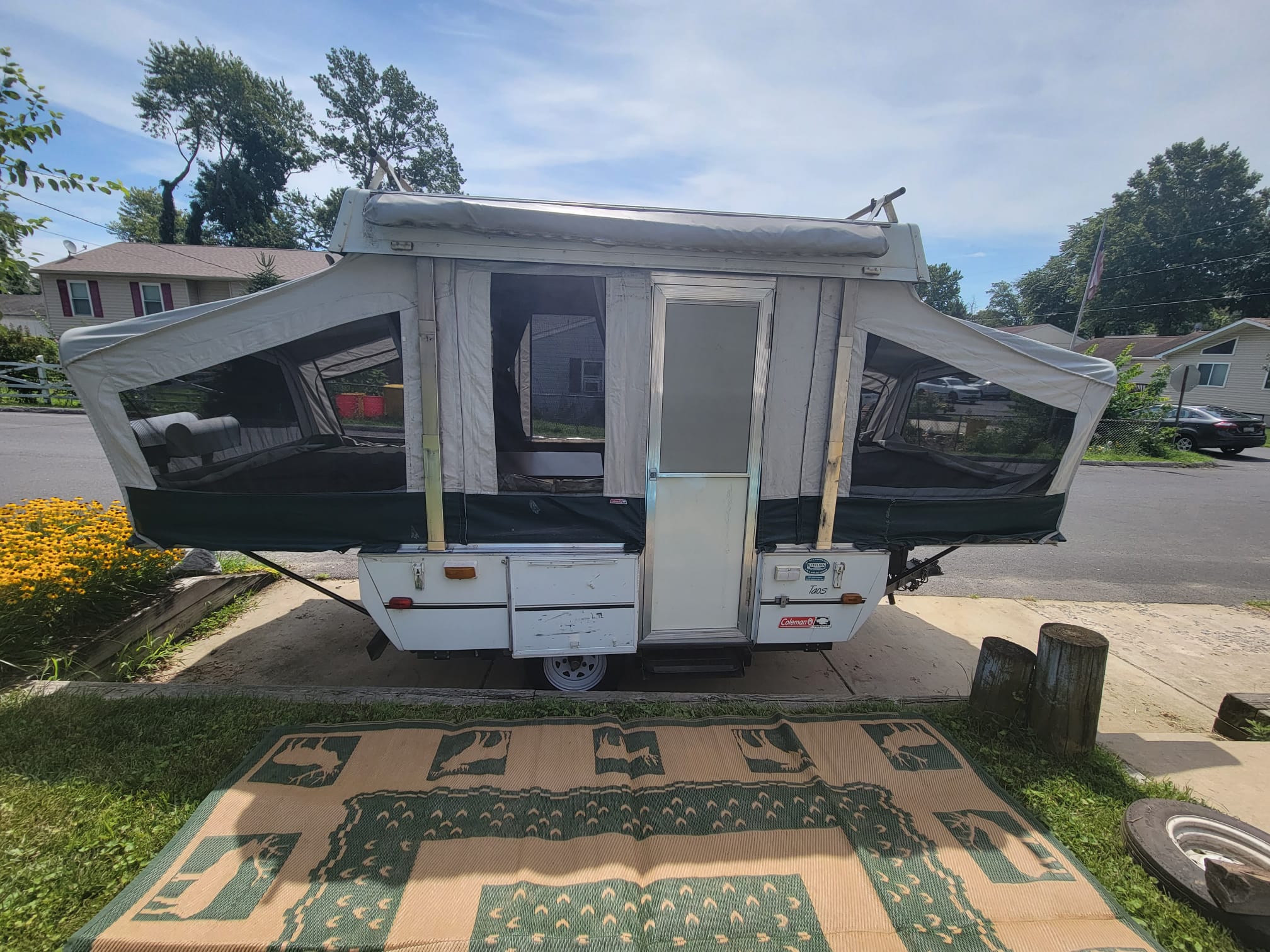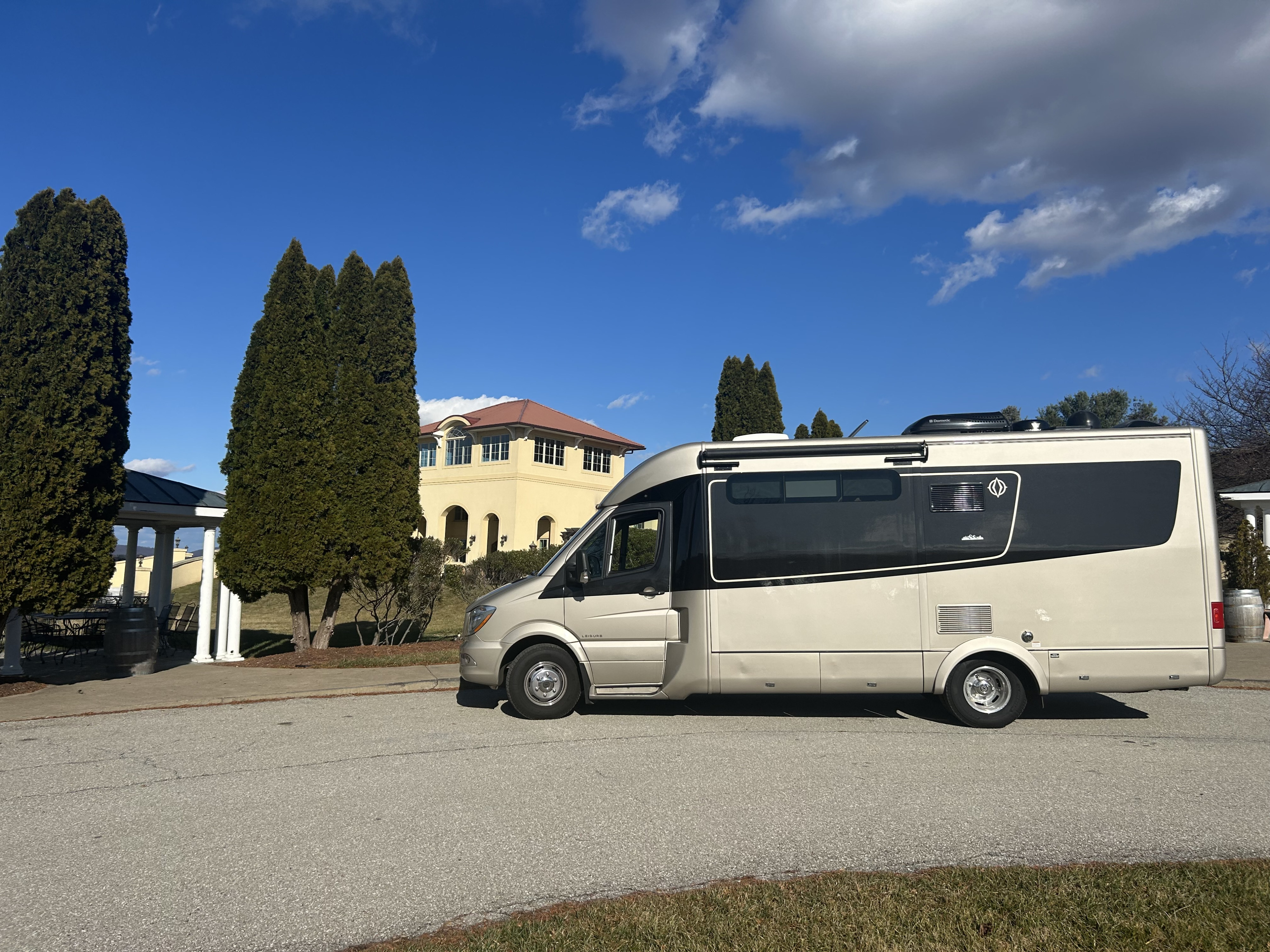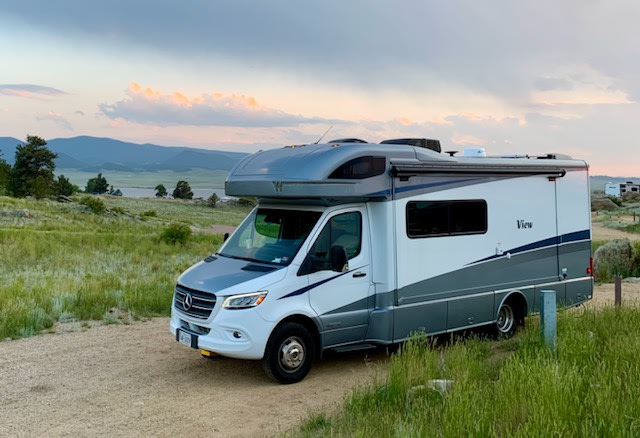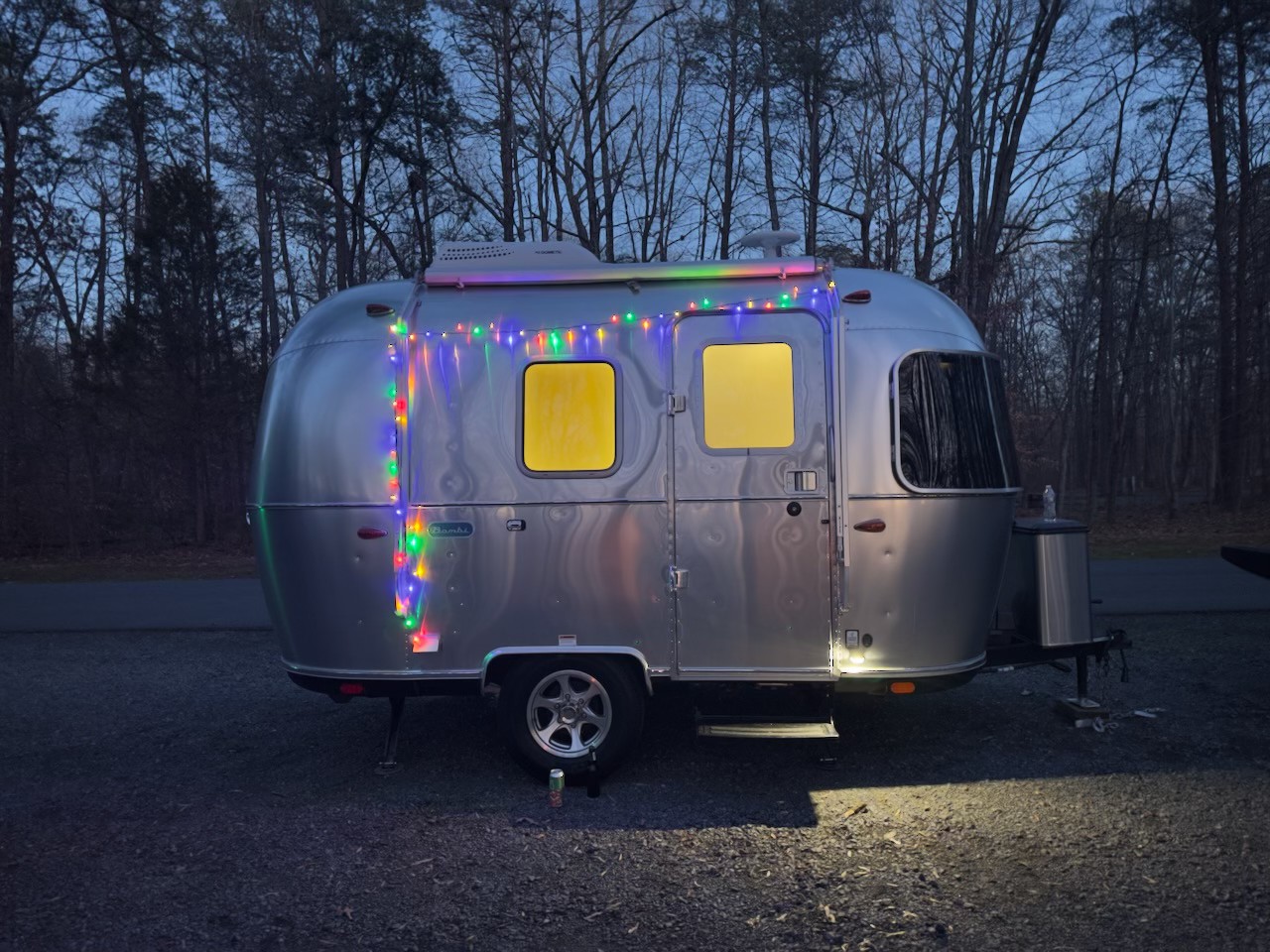

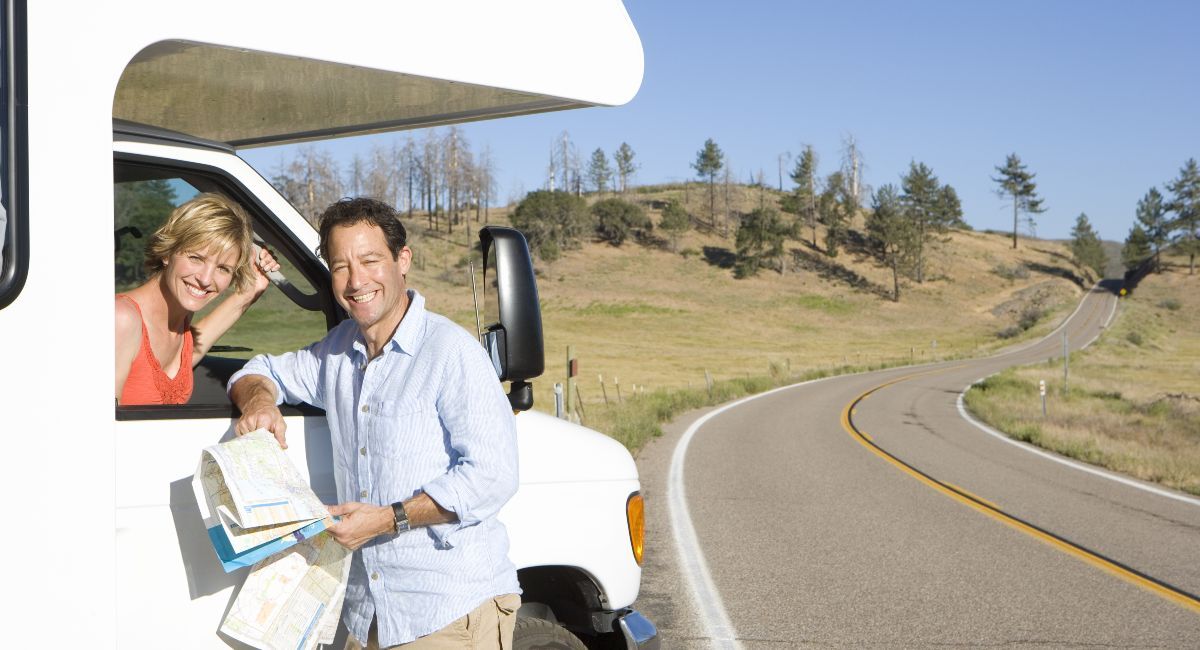
The best RV safety tips are simple habits: know your rig's height before you hit the road, test the smoke, carbon monoxide, and propane alarms on day one, drive slower than you would in a car, and pull over when the wind picks up. None of it is complicated, and most of it takes minutes. Here's a practical checklist for every part of an RV trip — pickup, driving, campsite, and the unexpected.
What You Need to Know
- Know your numbers: height, length, and width — write them on a note on the dash.
- Test alarms on day one: smoke, carbon monoxide, and propane.
- Drive slow, brake early, and swing wide on turns. Slow is pro.
- Pull over in high winds — Wind Advisories mean tall vehicles are harder to control.
- Lock up and stow gear at night.
What should you check before driving a rental RV?
Before you drive off, walk around the RV with your host and check the tires, lights, mirrors, and the rig's height, length, and width. Inside, confirm the smoke, carbon monoxide, and propane alarms work, find the fire extinguisher and propane shutoff, and save the roadside assistance number in your phone.
Use this pickup checklist:
- Height, length, and width: a New York City DOT guide for big vehicles advises drivers to "Know your vehicle's accurate height, length, and width", loaded and unloaded.
- Tires: check pressure when tires are cold, using the number on the door-edge label or owner's manual, not the tire sidewall, per NHTSA's tire guidance. Tires are due for replacement when tread wears down to 2/32 of an inch.
- Tire age: find the DOT code on the sidewall — NHTSA says "The last four digits of the TIN indicate the week and year the tire was made," and notes some manufacturers recommend replacing tires six to 10 years old regardless of tread. Michelin recommends annual professional inspections after five years of service.
- Alarms: the U.S. Fire Administration says "All RVs should have working CO and smoke alarms installed inside".
- Fire extinguisher: on board and within easy reach.
- Propane: know where the tank valve is and how to shut it off.
- Roadside assistance: save the number before you leave.
Our first-time RV rental checklist walks through the whole pickup.
How do you drive an RV safely?
Drive slower than you would in a car, leave far more following distance, make wide right turns, and watch overhead clearances. When backing up, use a spotter or get out and look. Plan shorter driving days and stop when you feel tired. Many first-time renters find they get comfortable within the first day.
Height and clearance
The federal 16-foot vertical clearance standard covers rural Interstates and a single Interstate route through urban areas, but other urban routes, older roads, parkways, and drive-throughs can be much lower. The NYC DOT notes that some parkway clearances are as low as 6 feet 11 inches, and that if your vehicle is taller than a posted warning sign, "you must stop and must not pass the sign." Gas station canopies and fast-food drive-throughs count too. We've heard from renters who learned their height the hard way at a drive-thru canopy.
Turns and tail swing
The rear of an RV swings out on turns, and the back wheels track inside the front wheels. Pull farther into the intersection before turning right, and check your mirrors through the whole turn.
Braking distance
A loaded RV takes longer to stop than a car. Leave extra space, brake early, and slow down before curves and downgrades. Use a lower gear on long descents so the brakes don't overheat — Rocky Mountain National Park's mountain driving tips say to "Use lower gears while traveling downhill."
Backing up
Use a spotter with agreed hand signals, or get out and look (GOAL) before you reverse. Go slowly — there's no prize for backing in fast. We've watched plenty of first-timers nail a tight campsite on the first try simply because their spotter used clear, agreed hand signals.
Fatigue
NHTSA reports that in 2021, 684 people were killed in crashes involving a drowsy driver (the most recent figure NHTSA cites as of October 2026), and its drowsy-driving page notes these crashes happen most often between midnight and 6 a.m. or in the late afternoon. Keep driving days short and swap drivers often. In our experience, the first-day jitters fade by the second fuel stop. Our beginner tips for driving an RV cover more.
How do you prevent carbon monoxide, propane, and fire risks?
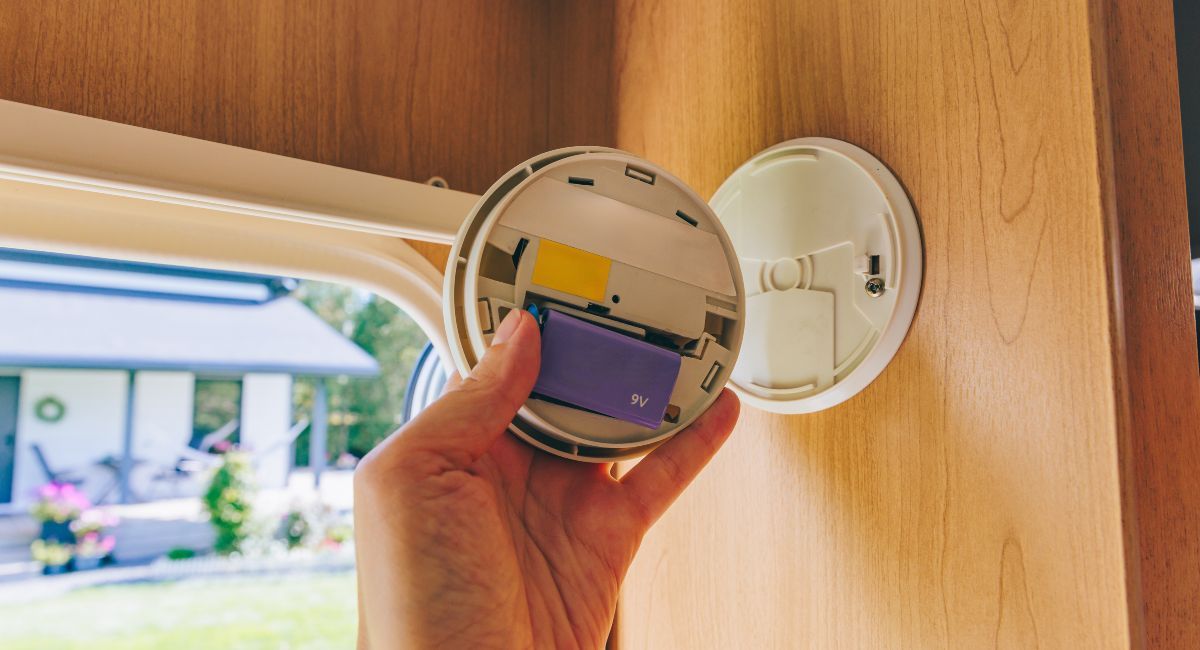
Keep working smoke, carbon monoxide, and propane alarms, and test them at the start of the trip and monthly. Never use the stove or oven to heat the RV, point generator exhaust away from the rig, and know where the propane shutoff and fire extinguisher are. Plan two ways out.
The National Park Service's RV Fire Safety 101 guide advises making sure your RV's "carbon monoxide and propane detectors are properly located and functioning," keeping working smoke detectors, and having "at least two escape routes and an escape plan." The U.S. Fire Administration says to test your alarms every month, check propane supply lines for kinks or damage, and warns that "Improper use of generators is a leading cause of CO poisoning" — keep generator exhaust pointed away and downwind of the RV.
- No fuel-burning heaters while sleeping: the CPSC says "Never use fuel-burning portable heaters or lanterns while sleeping in enclosed areas such as tents, campers and vehicles," and notes the CO risk is greater at high altitudes.
- No stove or oven for heat: an Atwood RV range manual puts it plainly — "DO NOT use range or cooktop for warming or heating vehicle" — and says a window or vent should be open slightly whenever you cook.
- Know the propane alarm: RV LP alarms are mounted low because, as the RV Safe LP alarm manual explains, "Propane is heavier than air and will settle near the floor." If one sounds, the manual says to get everyone out, shut off the propane at the tank, and avoid touching electrical switches or starting the engine or generator.
- Extinguisher basics: remember P.A.S.S. — "Pull, Aim, Squeeze, Sweep."
- Cooking: stay in the kitchen while the burner is on.
For tank basics, see our complete guide to RV propane tanks, and for campfires, read everything you need to know about campfire safety.
When is it too windy or stormy to drive an RV?
When the National Weather Service issues a Wind Advisory or High Wind Warning for your route, slow down or park. Wind Advisories are typically issued for sustained winds around 30 mph or gusts around 45 mph, though criteria vary by local office, and NWS warns these winds make high-profile vehicles harder to drive.
The NWS office in Des Moines lists a Wind Advisory at sustained winds of 30 mph or frequent gusts of at least 45 mph, and a High Wind Warning at sustained winds of 40 mph or gusts of at least 58 mph. It notes that advisory-level winds "will make it difficult to drive high profile vehicles" and advises drivers during a warning to "Refrain from any unnecessary driving." Other offices use slightly different numbers — the national NWS page says offices issue these alerts based on local criteria and advises drivers to "keep both hands on the wheels and slow down."
A few habits help:
- Check the forecast every morning, including wind gusts along your route.
- Avoid roads that cross the wind where you can.
- Watch for exposed stretches: bridges, open plains, and mountain passes.
- When in doubt, wait it out at a rest area or campground.
How do you keep your RV and campsite secure?
Lock the RV doors and close windows when you leave, keep valuables out of sight, and bring in gear like bikes, grills, and chairs at night. Lock up anything that has to stay outside, and get to know your campground neighbors. For most campers, security comes down to not leaving things out.
The National Park Service advises visitors to "Keep doors locked and windows completely closed" and to never leave anything on the seats, dashboard, or floor. A county sheriff's camping safety tips suggest securing bikes and grills with a cable lock around a nearby tree and asking neighbors to keep an eye on your site.
RVers we talk to say the most common campground "crime" is a missing camp chair. Stow it at night and you'll probably never think about security again. For outdoor safety beyond the campsite, see our guide to wild animal encounter safety.
What should be in your RV emergency kit?
Pack a first-aid kit, flashlight or headlamp, tire pressure gauge, jumper cables, reflective triangles, a phone charger, blankets, drinking water, and a paper map. Add basic tools and any medications you need. Many rentals include some of these, so ask your host what's already on board.
Ready.gov's car emergency kit list includes jumper cables, flares or a reflective triangle, a phone charger, a blanket, a map, and cat litter or sand for traction. For RV trips, add:
- First-aid kit — our guide to making your own RV first-aid kit covers what to include.
- Tire pressure gauge for monthly — or daily — checks.
- Flashlight or headlamp with spare batteries.
- Extra water and snacks in case of delays.
- Paper maps for areas without cell service.
Hosts tell us renters who ask about the emergency kit at pickup are the ones who never need it. Blow a tire? Get safely off the road, set out your reflective triangles, and call roadside assistance.
Ready for a safe, stress-free trip? Browse RV rentals near you and ask your host for a full walkthrough at pickup. Find what moves you.
About this guide
This guide was researched and written by the Outdoorsy editorial team. Our information draws on the National Highway Traffic Safety Administration, the U.S. Fire Administration, the Consumer Product Safety Commission, the National Weather Service, the Federal Highway Administration, the National Park Service, Ready.gov, RV appliance and tire manufacturer manuals, and conversations with Outdoorsy hosts and renters. We have no commercial relationship with the businesses mentioned unless explicitly noted.