
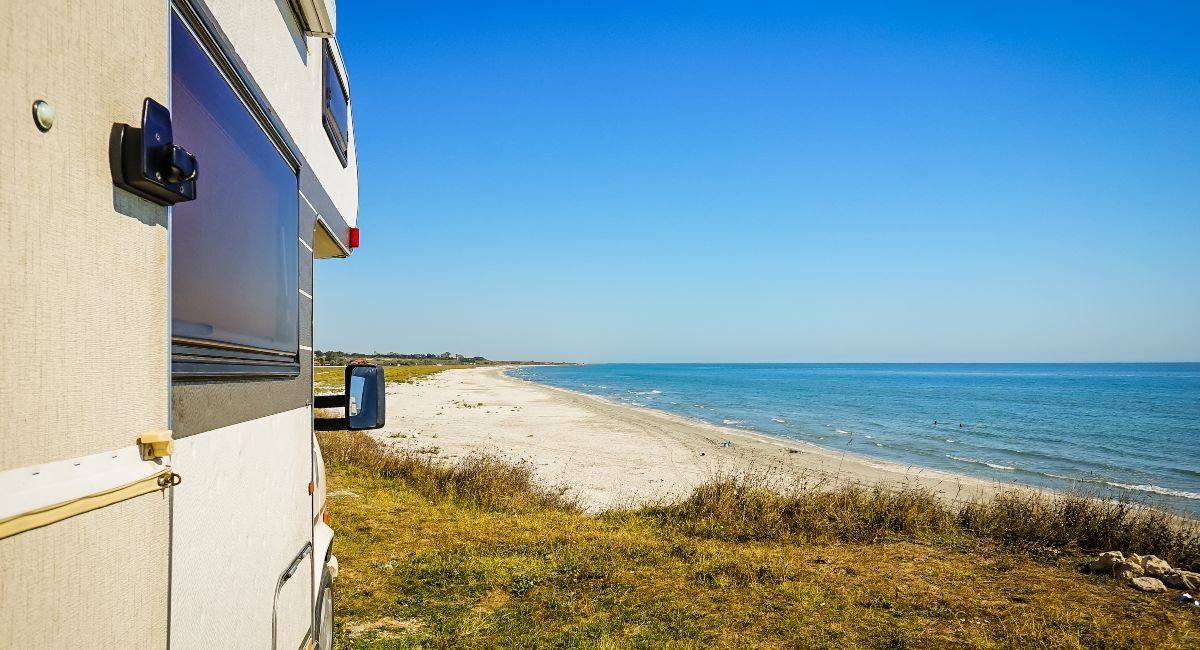
Texas Gulf Coast RV camping in winter means mild days, wide beaches, and some of the best birding in North America — with a little wind thrown in for character. Normal winter highs run from the low 60s in Galveston to the 70s near the Mexican border, and you can still camp right on the sand at Padre Island National Seashore. This guide breaks the coast into three regions, sets honest weather expectations, explains the beach-camping rules, and helps you plan a one- or two-week rental.
What You Need to Know
- Weather: mild, but windier and cooler than inland — expect a few cold fronts ("northers"), especially in January and February.
- Three regions: Galveston for city access, the Coastal Bend for beaches and birding, South Padre for the warmest days.
- Beach camping: allowed on parts of Padre Island National Seashore without a camping permit, with a 14-night limit.
- Book ahead: Texas state parks take reservations up to five months out.
- Bucket-list birding: whooping cranes winter at Aransas National Wildlife Refuge from late October to mid-April.
Is the Texas Gulf Coast warm enough for winter RV camping?
Yes, for most travelers. The Texas coast stays mild in winter, with normal highs in the 60s and low 70s and lows mostly in the upper 40s to 50s. The catch is wind and the occasional sharp cold front, which can drop temperatures into the 30s for a night or two — especially in January and February.
Galveston's January normal high is 63.2°F with a low of 48.9°F, and February warms to a normal high of 66.4°F. Head south and it gets warmer: the Corpus Christi area runs a few degrees milder, and Brownsville, near South Padre Island, is typically the warmest stretch of the Texas coast.
RVers we talk to who winter on the coast all mention the same thing: the wind. Breezy days are normal right on the water, and a north wind after a cold front can rattle awnings. Many longtime visitors camp a little back from the beach and drive over for the day — you'll get calmer nights and less salt spray on the rig.
Where to RV camp on the Texas Gulf Coast in winter
The best Texas Gulf Coast RV camping splits into three regions: Galveston and the Upper Coast, the Coastal Bend around Port Aransas, Mustang Island, and Rockport, and South Padre and the Lower Coast. Choose based on what matters most — city amenities, beaches and birding, or the warmest possible weather.
- Galveston & Upper Coast — Where to camp: Galveston Island State Park; Hookups: Beach and bay sites; Why go in winter: Easy city access, historic Strand, beach horseback riding (Nov–Feb).
- Coastal Bend — Mustang Island — Where to camp: Mustang Island State Park; Hookups: 48 water/electric sites + 50 primitive; Why go in winter: Five-plus miles of quiet beach.
- Coastal Bend — Rockport — Where to camp: Goose Island State Park; Hookups: Bay-side and oak-shaded sites; Why go in winter: Whooping cranes across St. Charles Bay.
- Padre Island — Where to camp: Padre Island National Seashore; Hookups: None (dump station and water fill available); Why go in winter: 66 miles of wild coastline.
- South Padre & Lower Coast — Where to camp: Private RV parks near the island; Hookups: Varies; Why go in winter: Warmest winter temperatures on the coast.
Galveston and the Upper Coast
Galveston Island State Park offers both beach and bay campsites, and beach horseback riding is allowed November through February only — a fun winter-only perk. You're also close to Galveston's restaurants and museums. Start your trip with RV rentals in Houston or RV rentals in Galveston.
The Coastal Bend: Port Aransas, Mustang Island, and Rockport
This is the sweet spot for many winter RVers. Mustang Island State Park offers 48 water and electric campsites and 50 drive-up primitive sites along more than five miles of coastline. Just north of Rockport, on St. Charles and Aransas bays, Goose Island State Park has 44 campsites by the bay and 57 under oak trees — and looks across St. Charles Bay to the whooping cranes' winter grounds. The park is also home to the State Champion Coastal Live Oak. Browse Port Aransas RV rentals to stay close to the action.
Padre Island and South Padre
Padre Island National Seashore protects 66 miles of wild coastline — a true beach-camping escape with no hookups and plenty of room. Farther south, South Padre Island and the Rio Grande Valley draw Winter Texans with some of the warmest winter weather in Texas. In our experience, renters who split a week between Port Aransas and Rockport get the best of both: beach days and birding days.
Can you camp on the beach in Texas?
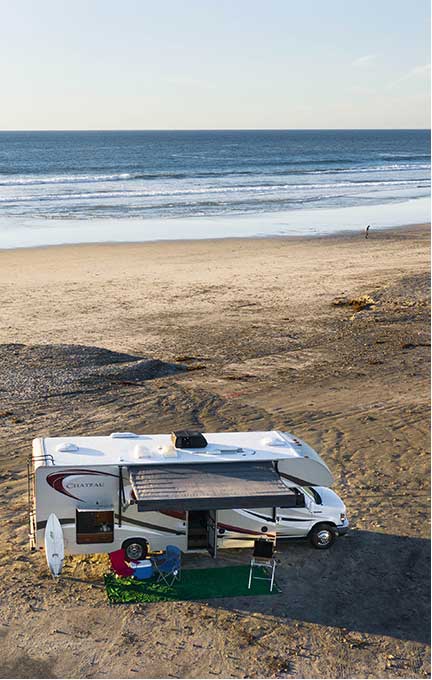
Yes. You can camp on the beach at Padre Island National Seashore — North Beach, South Beach, and Yarborough Pass require no camping permit, though park entrance fees apply — and on some city and county beaches with a beach parking permit. Expect no hookups, stay limits, and conditions that change with the tides.
The National Park Service's Padre Island camping rules spell it out: no reservations, no electric or water hookups, a 14-consecutive-night limit, and a maximum of 28 nights a year. Camping isn't allowed on Malaquite Beach, but there's an RV dump station and freshwater fill near the Malaquite Campground entrance. Beach camping can close temporarily for hazards like coastal flooding, so check conditions on arrival.
In Port Aransas, the city requires a $12 annual permit to park along the beaches and limits beach camping to three nights in any 21-day period. Ask your host before taking a rental onto the sand — some don't allow beach driving, and soft sand can trap a heavy motorhome. If the coast isn't warm enough for you, our list of snowbird spots to escape the cold covers other winter options.
When should you book a winter RV site on the coast?
Book Texas state park campsites as soon as your dates are set — Texas Parks and Wildlife lets most overnight reservations be made up to five months in advance. January through March is typically the busiest stretch for snowbirds, so popular parks and waterfront sites go early. Padre Island National Seashore is first come, first served.
According to the Texas State Parks reservation FAQ, most overnight camping reservations can be made five months ahead, and you must check in before noon the next day or your reservation may be canceled. As of October 2026, Galveston Island, Mustang Island, and Goose Island state parks all post active alerts on their park pages, so read them before you book.
We've watched spring break catch South Padre first-timers off guard every March — if you want quiet beaches, wrap up your stay before mid-March or base yourself farther north.
What to do on the Texas coast in winter
Winter is prime time on the Texas coast for birding, especially the endangered whooping cranes at Aransas National Wildlife Refuge, plus beachcombing, fishing, and exploring Galveston's historic neighborhoods. Crowds are thin and temperatures are comfortable for long walks — summer's sea turtle hatchling releases at Padre Island are a reason to come back another season.
- Whooping cranes at Aransas NWR: the U.S. Fish and Wildlife Service says the cranes typically arrive in late October and depart by mid-April, and the refuge has documented 405 bird species.
- Drive the refuge: Aransas National Wildlife Refuge has a 16-mile auto tour and trails open daily from sunrise to sunset.
- Beachcombing and fishing: Mustang Island and Padre Island's quiet winter beaches are made for long walks and surf fishing.
- Galveston history: the Strand and Victorian neighborhoods make an easy rainy-day plan.
Tips for renting an RV for a Gulf Coast winter trip
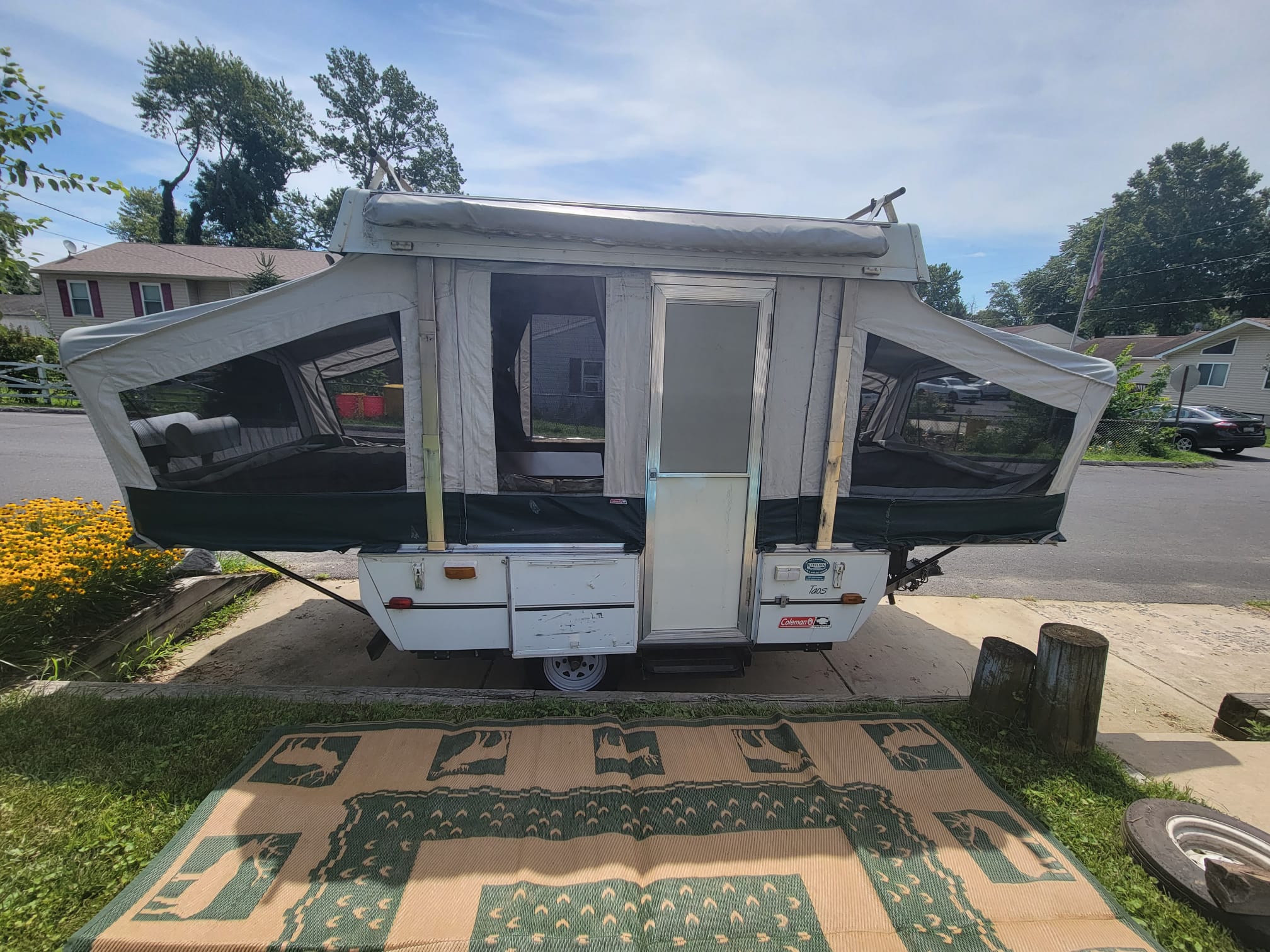
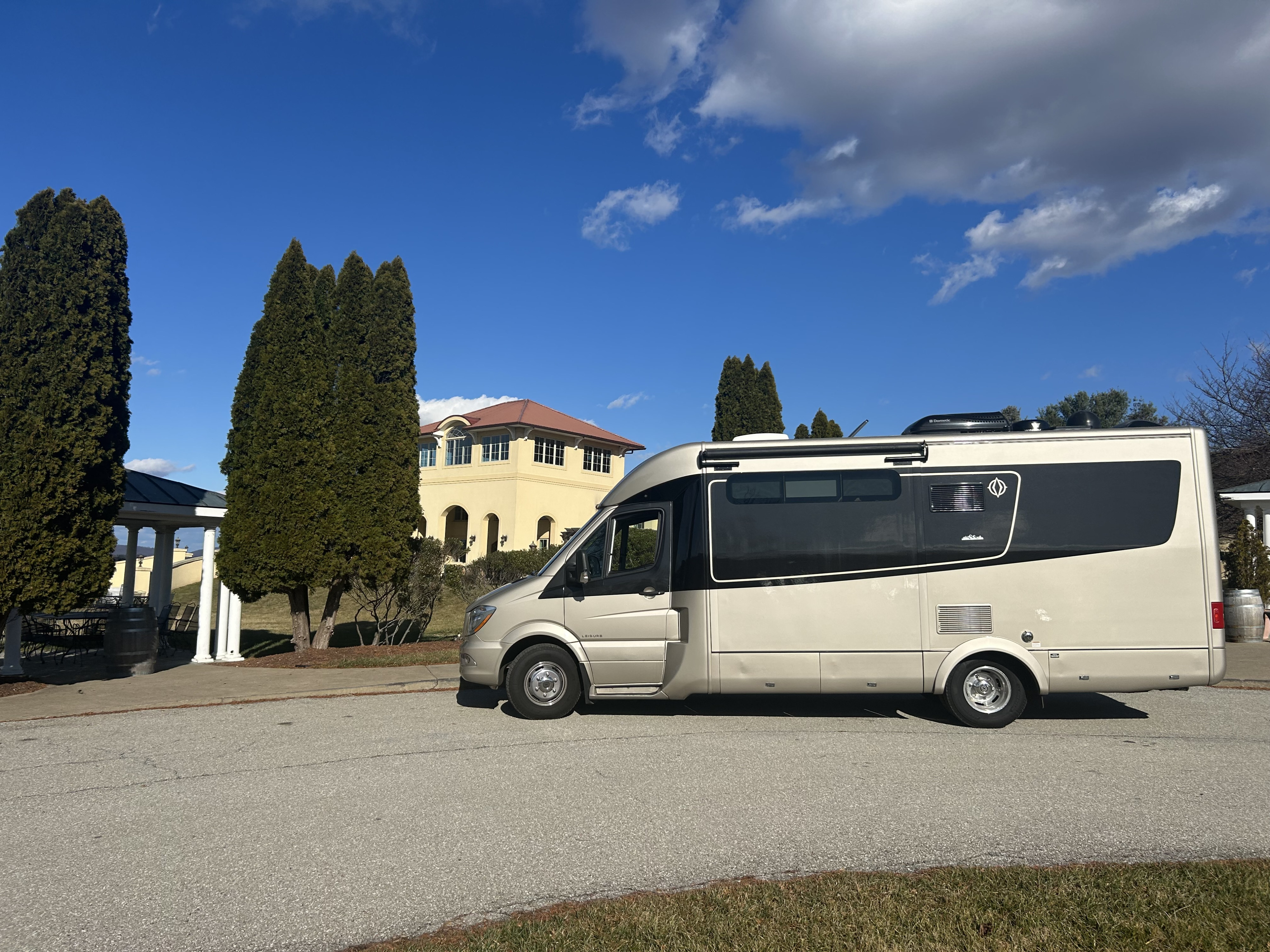
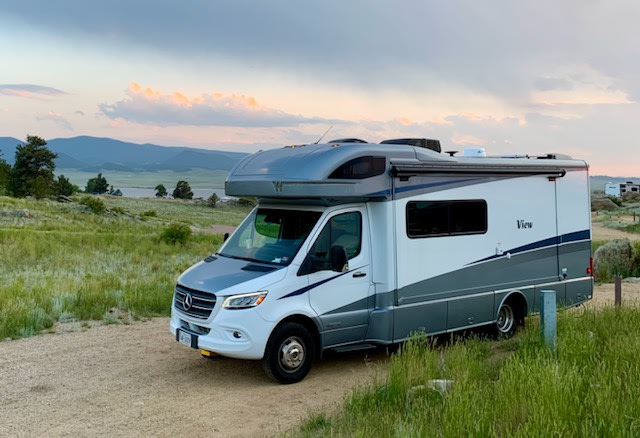
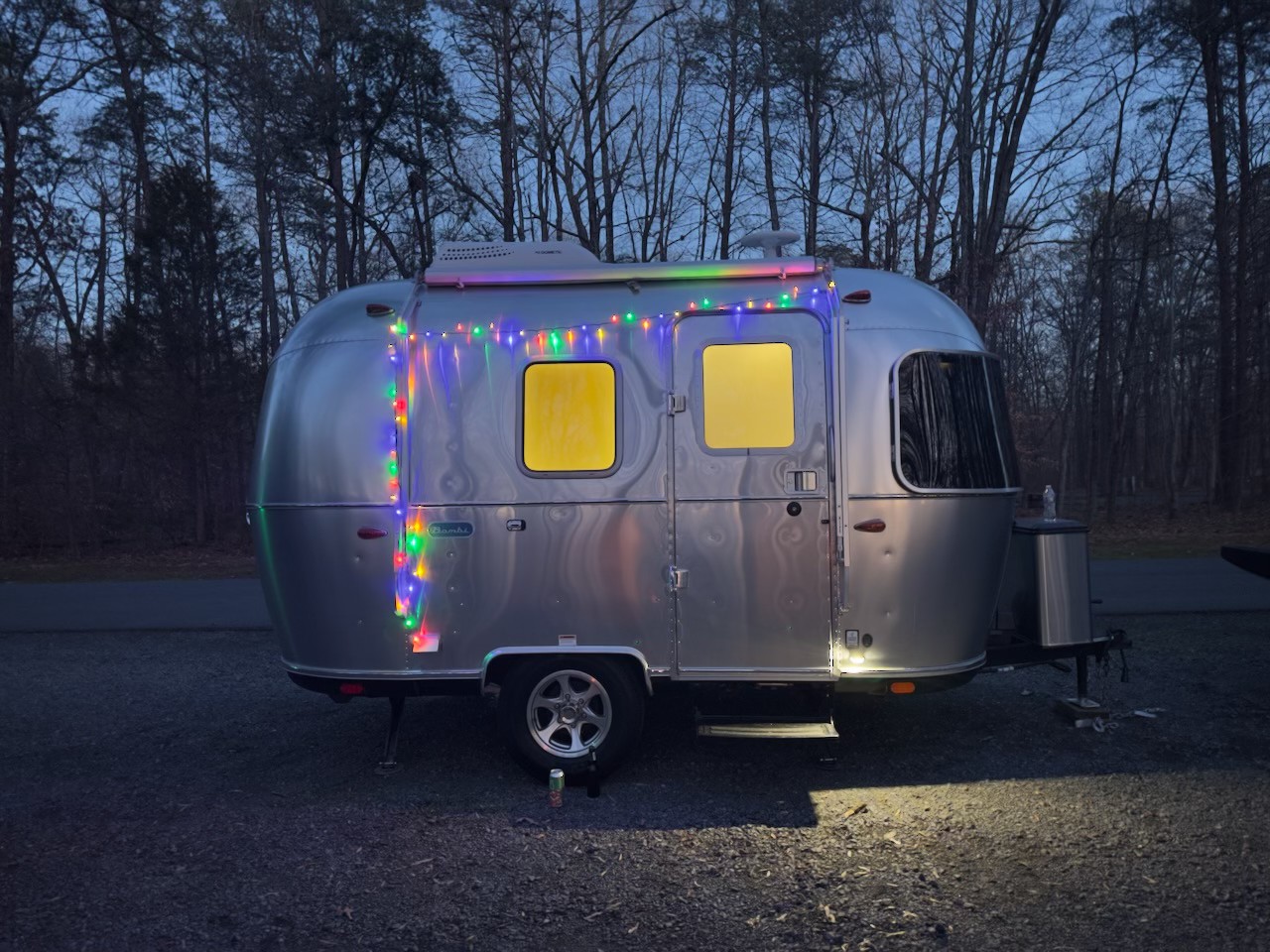
For a Gulf Coast winter trip, choose a rental with a working furnace, plan around wind, and be ready to dry camp if you want the beach. Rinse salt spray off the rig before you return it, and keep an eye on forecasts for passing cold fronts.
- Furnace and blankets: cold fronts can push lows into the 30s for a night or two.
- Wind on bridges and causeways: slow down and keep both hands on the wheel in a tall, light rig.
- Water and tanks: at Padre Island there are no hookups, so arrive with a full fresh tank and plan a stop at the dump station.
- Salt and sand: sweep out sand daily and give the rig a rinse at a car wash before return — hosts appreciate it.
- Delivery option: hosts tell us coastal delivery is a popular add-on, and many will deliver an RV to your campground, so you can fly into Houston or Corpus Christi and skip the long drive.
For more ideas, browse our Texas RV campgrounds guide and our roundup of Texas RV parks near water, and if you're coming from Central Texas, browse RV rentals in Austin.
Ready to trade snow for sand? Browse RV rentals at Padre Island National Seashore and start planning your Gulf Coast winter escape. Find what moves you.
About this guide
This guide was researched and written by the Outdoorsy editorial team. Our information draws on National Weather Service climate normals, Texas Parks and Wildlife Department park and reservation pages, National Park Service camping rules for Padre Island National Seashore, U.S. Fish and Wildlife Service information for Aransas National Wildlife Refuge, City of Port Aransas beach rules, and conversations with Outdoorsy hosts and renters on the coast. We have no commercial relationship with the businesses mentioned unless explicitly noted. Park alerts and closures change — check status before you book.