
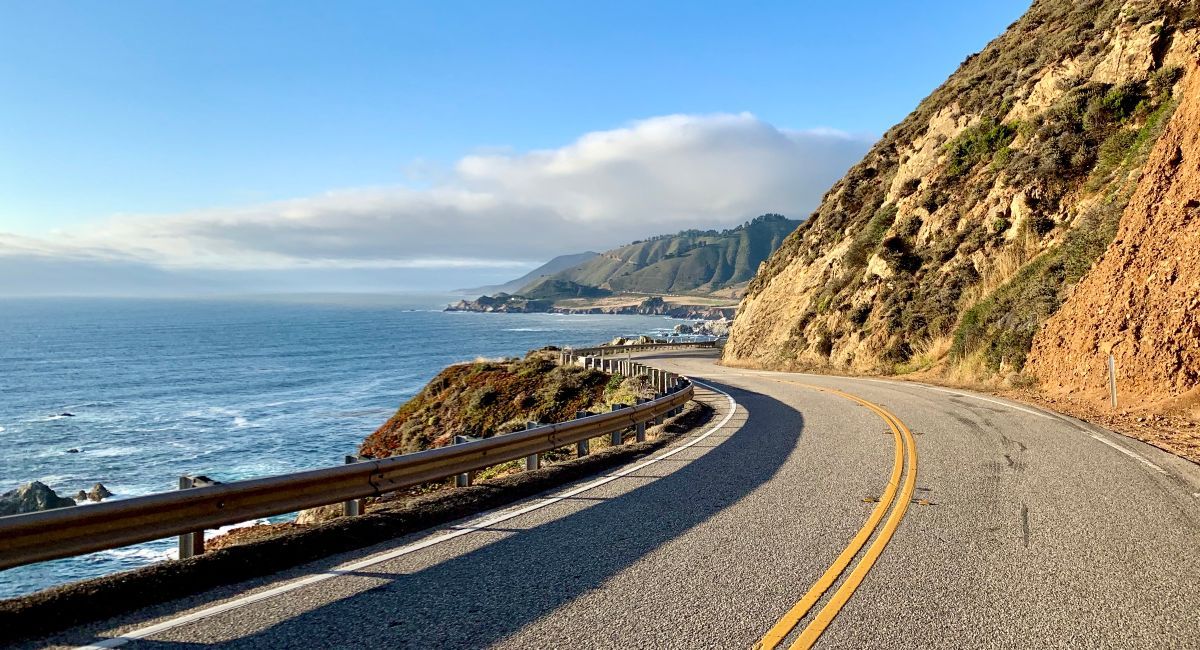
Drive any list of "best American road trips" and the Pacific Coast Highway lands in the top three. It earns it. What the same lists rarely mention is that doing the Pacific Coast Highway in an RV is a different planning problem than doing it in a car — the Big Sur stretch rewards a manageable length, the best coastal campgrounds book six months out, and the road's 2026 status has been moving. This guide leads with what changes when the rig you're driving is longer than your driveway, and what to know before you commit to the route.
The short version:
- The Pacific Coast Highway (California Highway 1) runs about 656 miles, Leggett to Dana Point — plan 3 days minimum, 5 typical, 7 if you want to actually stop.
- Big Sur is narrow and winding — rent a rig 30 feet or under, and consider towing a car for the tightest stretches.
- Big Sur Highway 1 status has been moving in 2026 — fully reopened January 14 after a three-year closure, with a 6.8-mile segment near Regent's Slide closed again in February as winter-storm debris filled the catchment area. Check Caltrans before you go.
- Coastal RV camping is real but tight: Pfeiffer Big Sur is no-hookup, Morro Bay and Pismo Oceano have a limited number of hookup sites. Reserve six months ahead.
- Driving one-way (SF↔LA)? A one-way rental or delivery skips the long backtrack.
How many days do you need to drive the Pacific Coast Highway, and when's the best time?
Plan three days as the floor for just the Big Sur core (Monterey to San Simeon), four to five for a typical SF-to-LA run with stops, and seven if you want to actually swim, hike, and not race the sun. The best windows are spring (April–May) and fall (September–October) — summer brings traffic, fog burn-off, and full campgrounds, while winter brings rain and a higher slide risk in Big Sur.
The honest pacing math: at the 35–45 mph average Big Sur enforces by curve and pullout, the iconic 90-ish miles from Carmel to San Simeon takes most of a day. Add overnights at Pfeiffer Big Sur, San Simeon, Morro Bay, and Pismo, and three days are the SF-to-LA realistic minimum without the trip feeling like a deadline.
A few seasonal specifics:
- Spring (Apr–May): Best wildflowers along the central coast; cooler temps; less crowded campgrounds.
- Fall (Sep–Oct): Warmest ocean temperatures; clearest skies; fewer summer travelers.
- Summer (Jun–Aug): The morning marine layer ("June gloom") obscures coastal views until 11 a.m. or noon. Campgrounds are full.
- Winter (Nov–Mar): Storm season. Big Sur slides historically close the road.
Can you drive an RV on the Pacific Coast Highway and Big Sur — what should you rent?
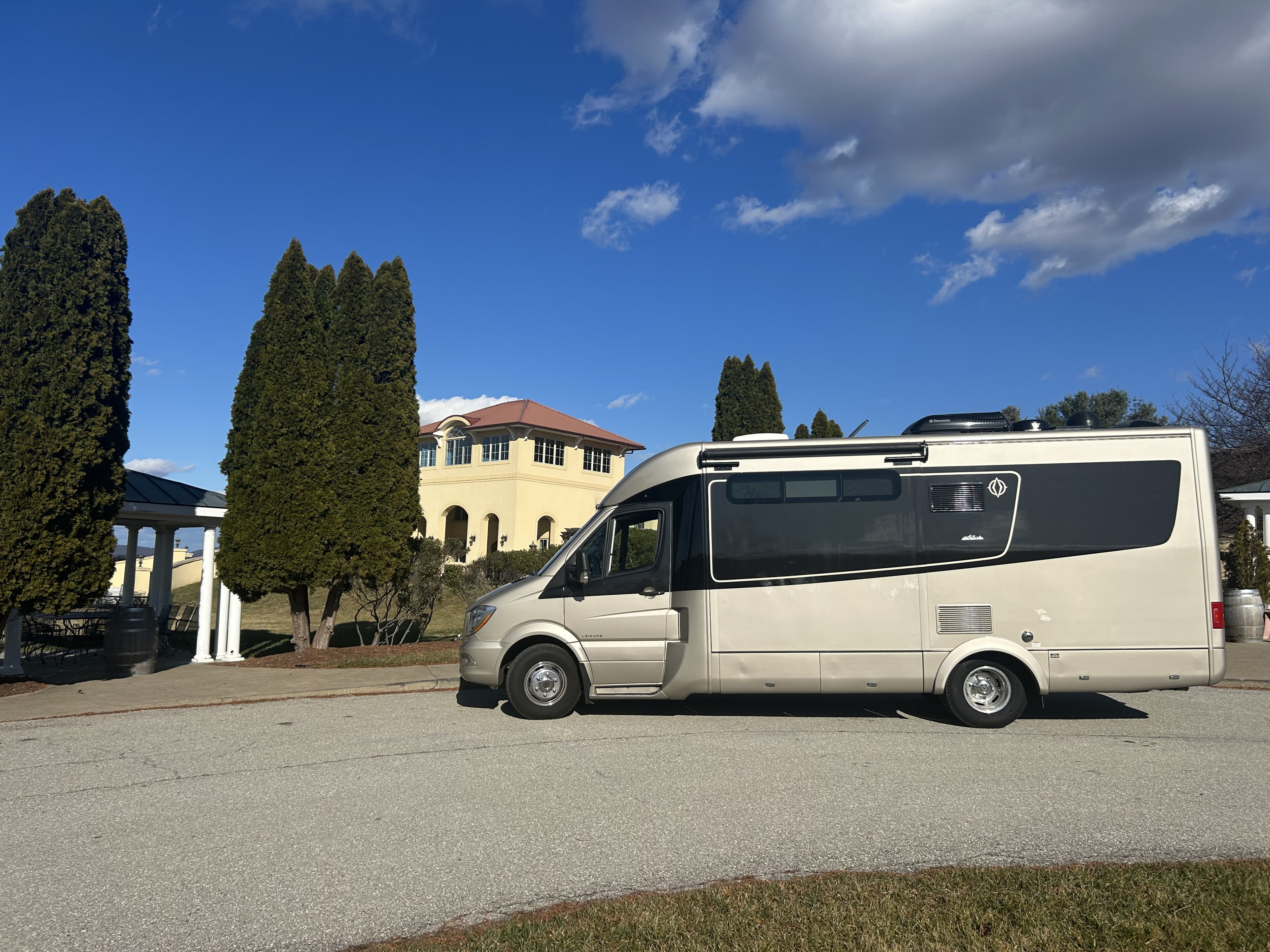
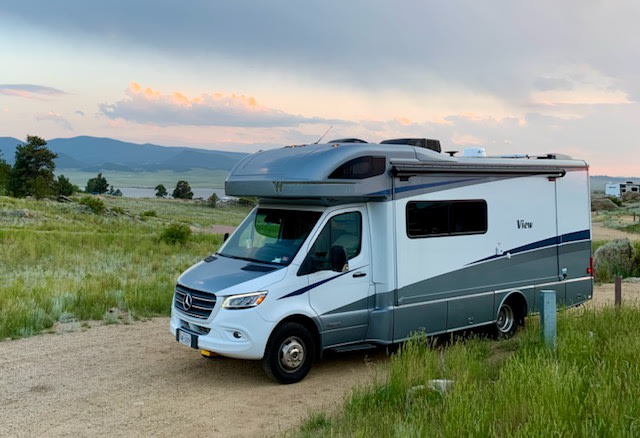
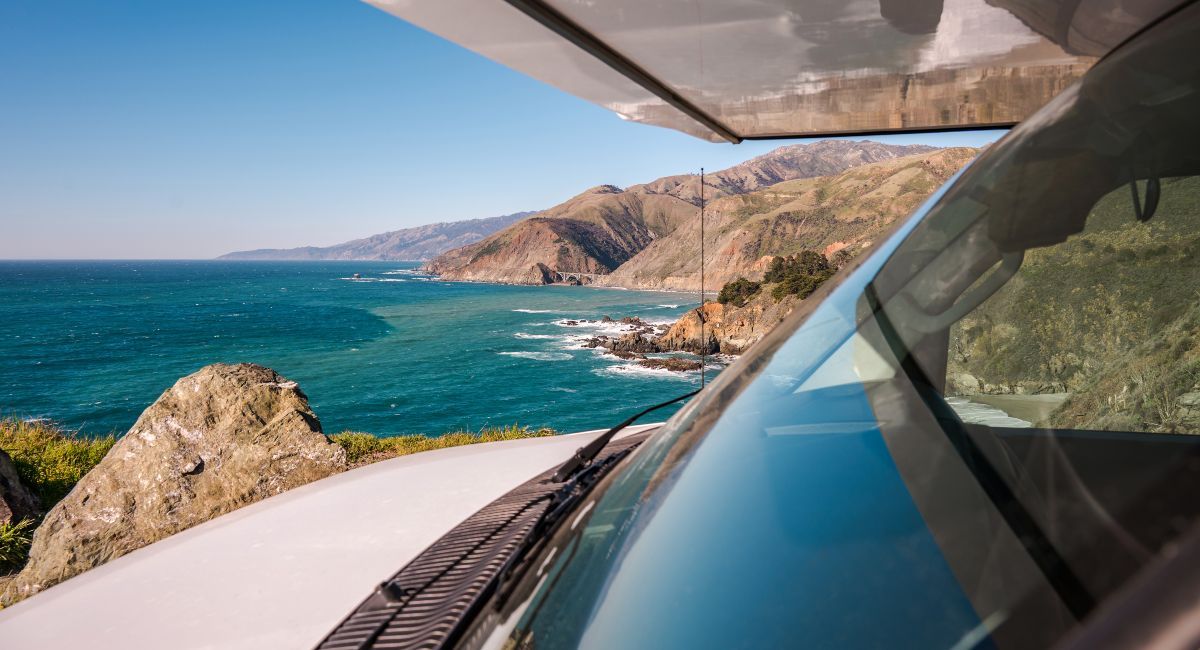
Yes — RVs drive the Pacific Coast Highway every day. But Big Sur is the constraint: narrow lanes, blind curves, and steep ocean drop-offs reward a rig 30 feet or under. A Class B campervan or smaller Class C is the easiest first-time Pacific Coast Highway rental.
Which RV class fits the Pacific Coast Highway and Big Sur
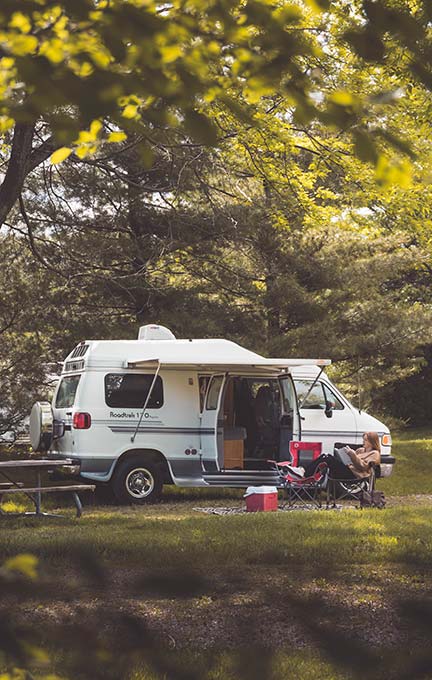
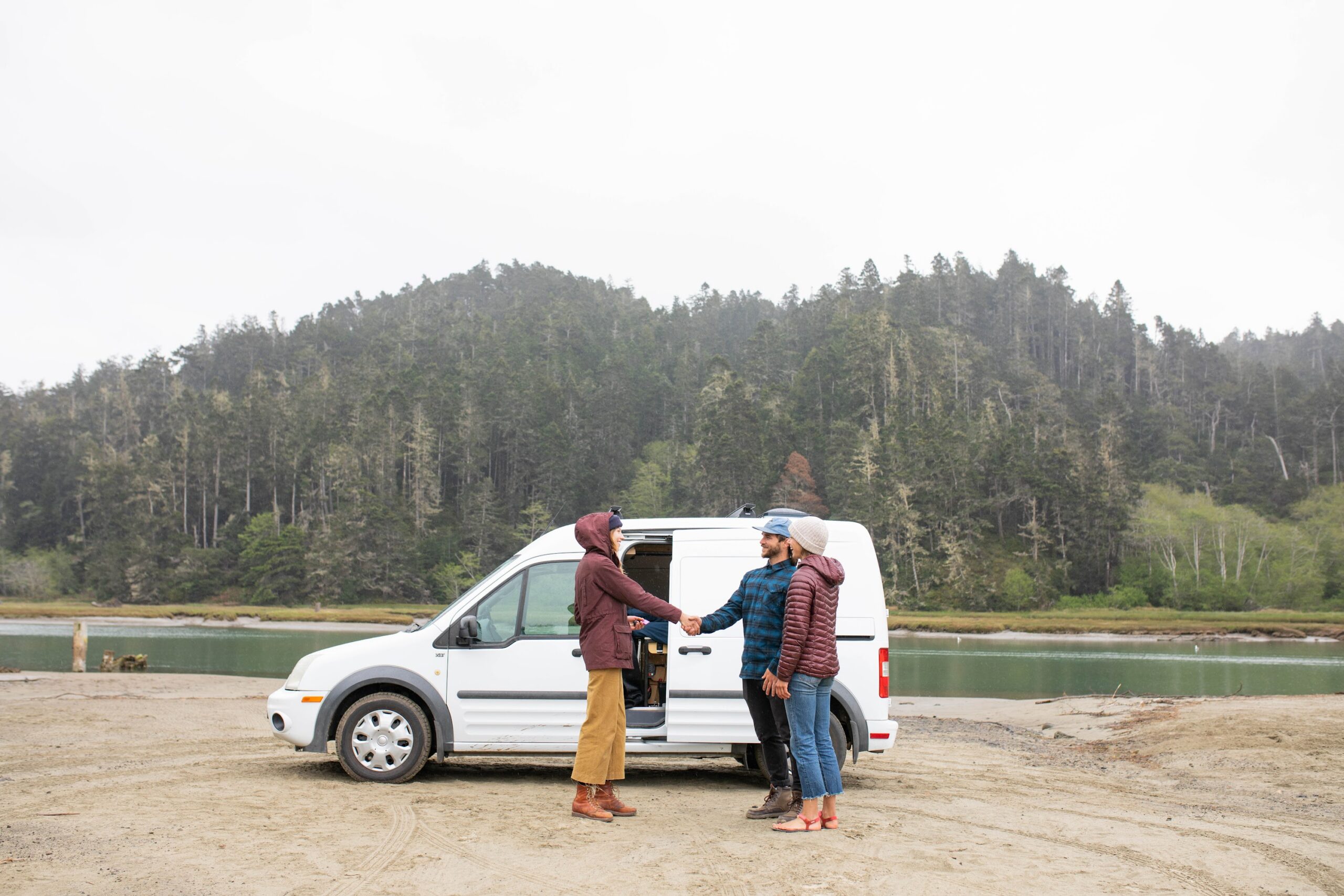
- Class B campervan (17–24 ft). The easiest option — fits standard parking and handles Big Sur's curves like a van. Fits every coastal campground on the route; pull-throughs aren't needed.
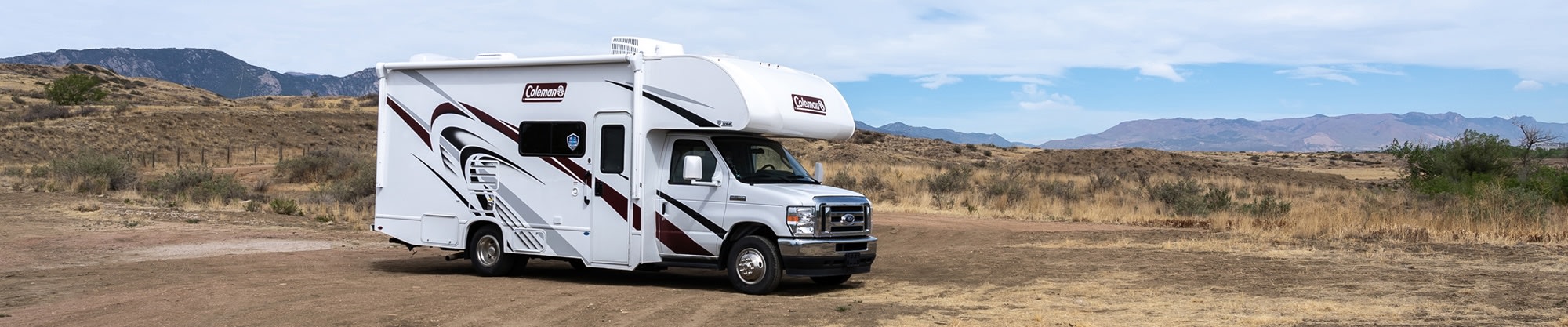
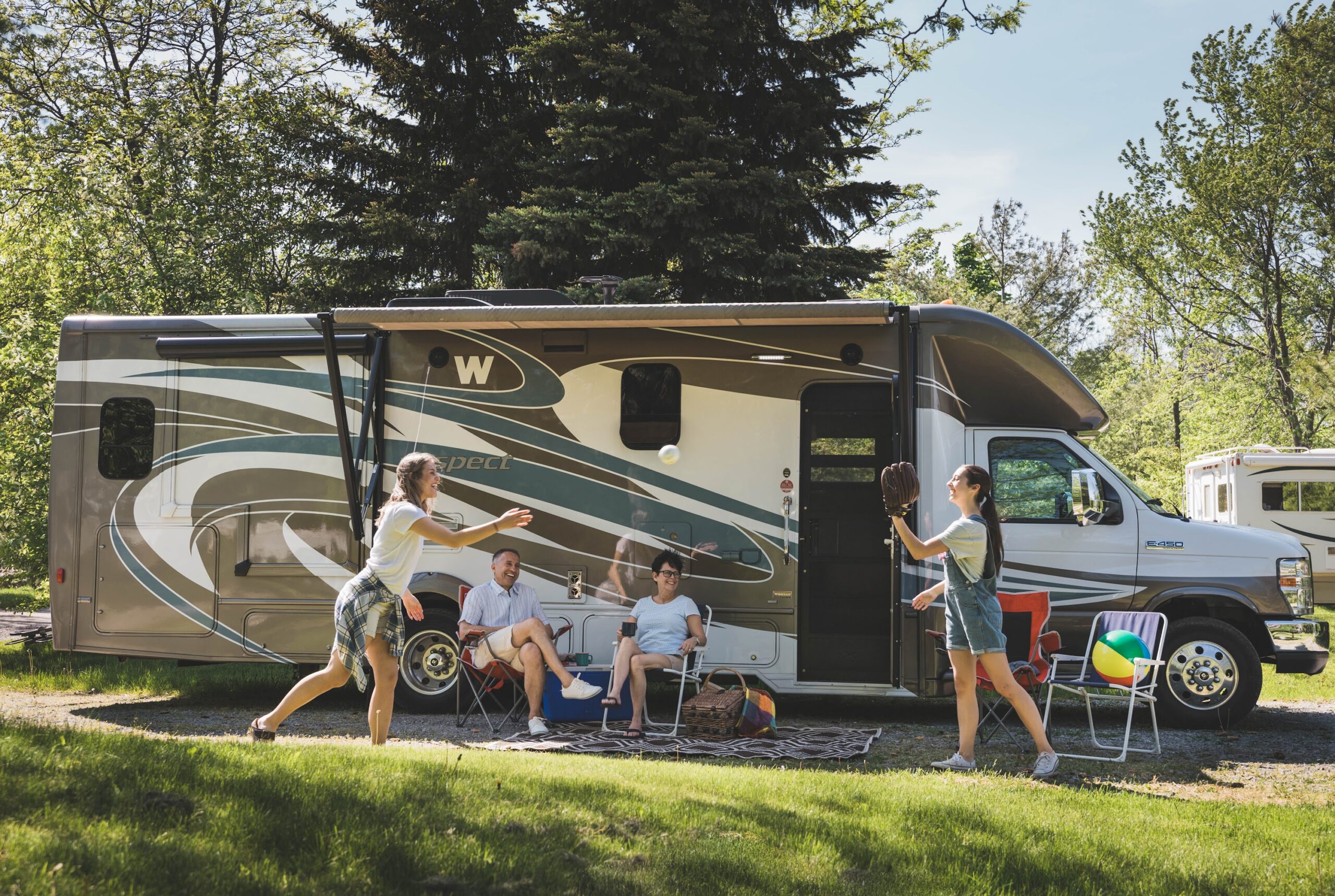
- Smaller Class C (22–28 ft). The most approachable choice and the most common first-time Pacific Coast Highway rental. Fits Pfeiffer Big Sur's 32-foot cap, Morro Bay's 35-foot cap, and Pismo's 36-foot cap.
- Larger Class C or smaller Class A (28–32 ft). Workable, but it takes practice on Big Sur's tighter curves. Fits Pfeiffer Big Sur just barely, and fits comfortably at Morro Bay and Pismo.
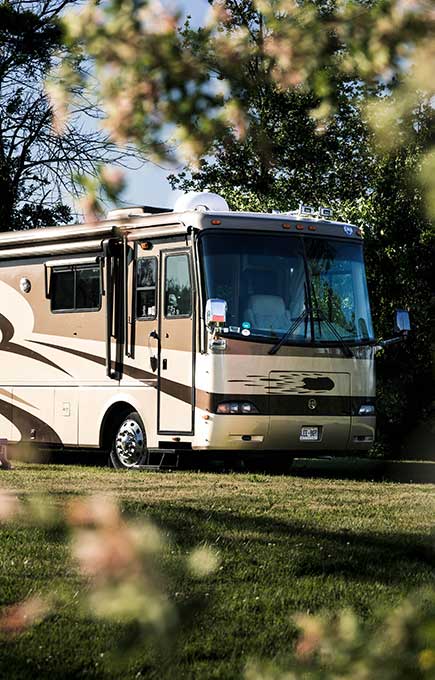
- Class A, 35+ feet. Tough on Big Sur — most renters who bring one regret it. Won't fit Pfeiffer Big Sur at all; tight at Morro Bay; fine at Pismo and at private RV parks.
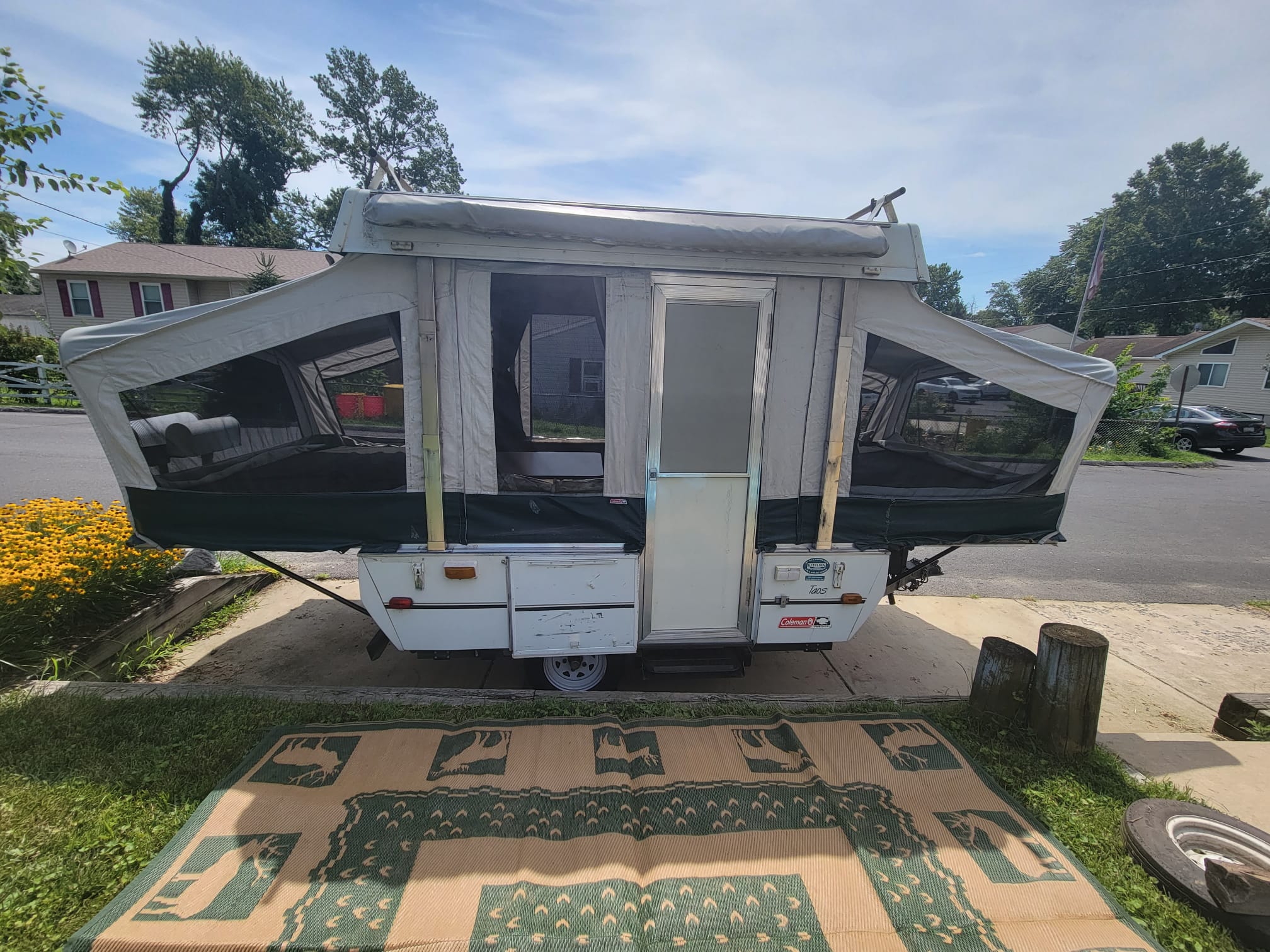
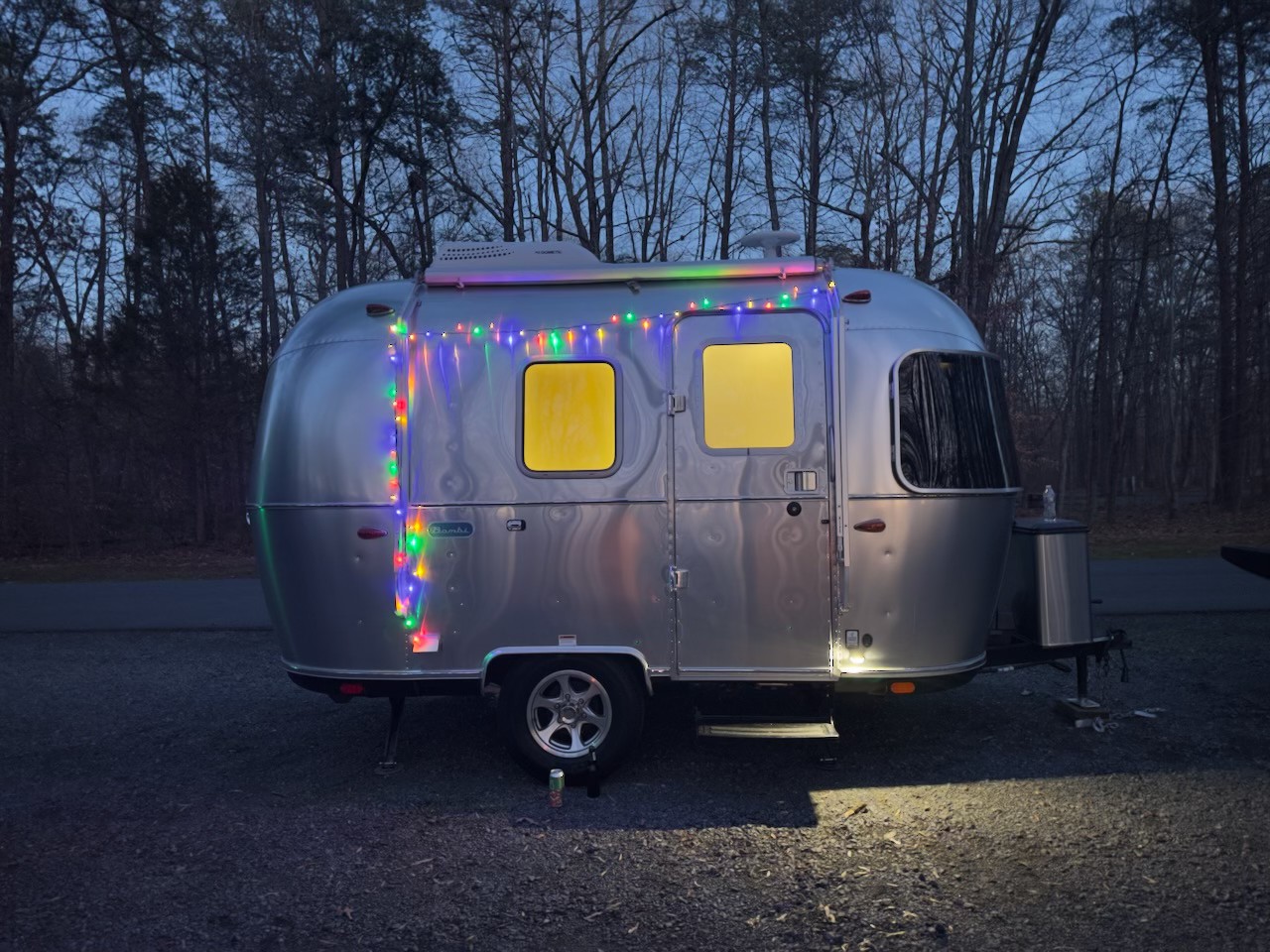
- Travel trailer or fifth-wheel. Big Sur is doable for experienced towers, though backing into coastal sites is the harder skill. Per-site length limits govern camping fit — verify on the listing before booking.
The takeaway: a Class B or smaller Class C under 30 feet is the most forgiving first Pacific Coast Highway rental. Bigger rigs work but call for more planning — or towing a car and leaving the rig at camp for the Big Sur stretch.
Non-obvious practicalities:
- Fuel before Big Sur. We've heard from renters who hit Big Sur on a near-empty tank and sweated it to Cambria — fuel is limited and pricey on that stretch. Top off in Carmel northbound or Cambria southbound.
- Cell service is patchy through Big Sur. Download an offline map.
- Watch for cyclists and motorcyclists. Both ride at the lane edge.
- Daytime driving only on Big Sur. Plan to be parked by sunset.
If the rig question is the worry, our how-to-drive-an-RV guide covers the habits, and a smaller rig under 25 feet is the most forgiving first Pacific Coast Highway rental. Pick up in San Francisco for a southbound run or browse Big Sur RV rentals.
Where can you camp in an RV along the Pacific Coast Highway?
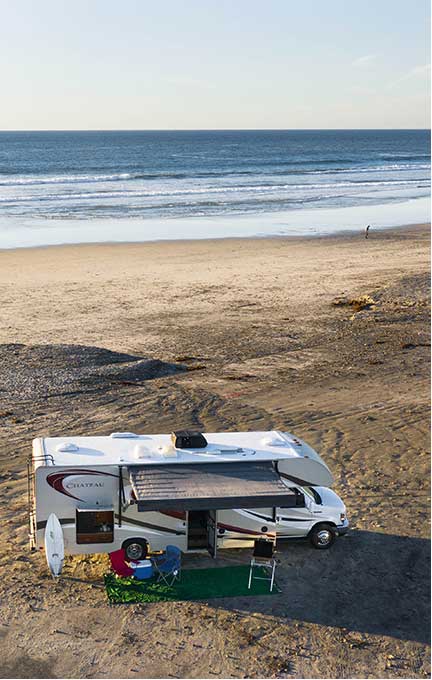
The big three coastal state-park campgrounds are Pfeiffer Big Sur, Morro Bay State Park, and Pismo State Beach Oceano. Pfeiffer is no-hookup with a 32-foot RV limit; Morro Bay has 30 water-and-electric sites within a 35-foot cap; Pismo Oceano has 42 water-and-electric sites within a 36-foot cap. All three book up six months ahead.
North to south:
- Pfeiffer Big Sur State Park. 189 sites; trailers to 27 ft, RVs to 32 ft; no hookups; dump station and potable water; $50 standard, $60 premium riverfront. Reservations open six months ahead at reservecalifornia.com.
- Morro Bay State Park Campground. ~140 sites total; max 35-ft RV; sites 1–30 have water + electric hookups; sanitation and water-fill station on site.
- Pismo State Beach Oceano Campground. 82 sites; max 36-ft RV; sites 1–42 have water + electric hookups, most with direct beach access; reservations open six months ahead at 8 a.m. Pacific.
Alternates if the state parks are full:
- Plaskett Creek and Kirk Creek Campgrounds (US Forest Service, south of Big Sur) — small RV-friendly sites on Highway 1 bluffs; no hookups; reservations on recreation.gov.
- San Simeon State Park. Near Hearst Castle; dump and water but no electric hookups.
- Private full-hookup parks in Pacifica, Half Moon Bay, Santa Cruz, Monterey, San Luis Obispo, Pismo Beach, Ventura, and Malibu.
Renters we talk to are caught off guard by the booking discipline more than by the camping itself. Treat the booking like an Acadia release: be on reservecalifornia.com at 8 a.m. Pacific six months ahead of arrival.
For the wider California browse, the California RV rentals hub and Pismo Beach on the central coast are the practical entry points.
Which direction should you drive it, and can you go one-way?
Drive it southbound (SF to LA) if you want the ocean on your right and a clean lane between you and the cliff. Drive it northbound (LA to SF) if you'd rather pull off into ocean-side turnouts directly. Either direction works.
- One-way rentals between SF and LA are common on Outdoorsy. Browse one-way RV rentals.
- Delivery on the central coast. Have a rig dropped at Pismo, Morro Bay, or a Big Sur private park; explore in a car you rent at the airport. Our RV rental delivery guide covers the cost and pickup logistics.
- Connecting trips. Pacific Coast Highway dovetails with our Route 66 RV trip from LA and the Southwest national parks road trip.
Key takeaways
- 656 miles, Leggett to Dana Point — three-day floor, five typical, seven to actually stop.
- Spring (Apr–May) and fall (Sep–Oct) are the best windows.
- Rent 30 feet or under for Big Sur.
- State-park campgrounds book 6 months ahead. Pfeiffer no-hookup (32 ft); Morro Bay 30 hookup sites (35 ft); Pismo Oceano 42 hookup sites (36 ft).
- Highway 1 status moves. Reopened Jan 2026 with February closure. Check Caltrans.
About this guide
This guide was prepared by the Outdoorsy editorial team. The Pacific Coast Highway mileage and termini, the 2026 Highway 1 Regent's Slide reopening and subsequent February closures, and the per-campground RV lengths and hookup specifics at Pfeiffer Big Sur, Morro Bay State Park, and Pismo State Beach Oceano were verified on June 12, 2026 against the Caltrans Regent's Slide project page, the Big Sur Chamber of Commerce Highway 1 conditions page, and the California State Parks Pfeiffer Big Sur, Morro Bay, and Pismo State Beach pages.