
The Short Version
Bryce Canyon and Zion National Park sit just 84 miles apart in southern Utah, but they offer very different experiences behind the wheel of an RV. Zion's new June 2026 vehicle restrictions eliminated tunnel escort permits on the Zion-Mount Carmel Highway — any motorhome over 35 feet 9 inches or towing combo over 50 feet total must reroute. Bryce Canyon has no comparable size restrictions on its main roads. On the flip side, Zion's Watchman Campground offers 95 electric hookup sites (30/50 amp), while Bryce Canyon's campgrounds have zero hookups.
- Zion wins for hookups: 95 electric sites at Watchman, dump station, year-round camping
- Bryce Canyon wins for access: no vehicle size restrictions on park roads, both campgrounds handle RVs in designated loops
- Best move: rent a Class B or short Class C (under 30 feet) and visit both parks in a single trip
- Gateway cities for RV pickup: Salt Lake City (4.5 hours north) or Las Vegas (2.5 hours south)
How do Zion and Bryce Canyon compare for RV campers?
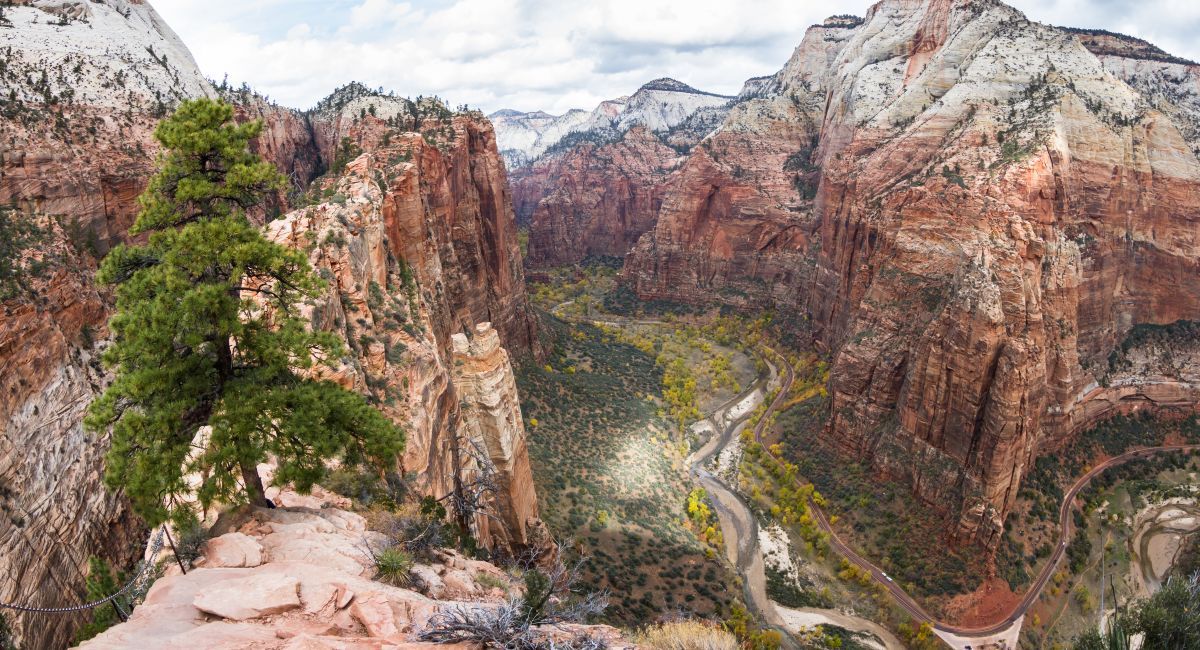
These two parks look nothing alike and camp nothing alike. Zion carves a deep sandstone canyon at 4,000 feet elevation where summer highs hit 105°F. Bryce Canyon perches on a plateau at 8,000–9,000 feet where July afternoons stay in the low 80s and afternoon thunderstorms are a daily ritual.
Here's how the two parks stack up on the things that matter to RV campers. On elevation, Zion's canyon floor sits around 4,000 feet while Bryce Canyon perches at 8,000–9,000 feet — and that gap drives everything else. Summer highs run 100–105°F at Zion versus a far cooler 77–83°F at Bryce Canyon. Zion has three in-park campgrounds (Watchman, South, and Lava Point) to Bryce Canyon's two (North and Sunset), and the two parks land close on total RV-capable sites — roughly 200 at Zion, about 199 at Bryce Canyon, though Bryce's are limited to Loops A and B.
The big practical split is hookups and access. Zion has 95 electric hookup sites at Watchman (30/50 amp); Bryce Canyon has none. Both parks have a dump station, but Zion's runs year-round at Watchman while Bryce Canyon's only operates mid-May through mid-October at North Campground. On RV length, Zion caps South Campground at 40 feet and layers strict tunnel limits on top (more on those below), whereas Bryce Canyon posts no maximum — individual site driveway length is the only ceiling. That ties into vehicle restrictions: Zion enforces tight 2026 tunnel limits, and Bryce Canyon has no road-based restrictions at all.
Round out the picture with the everyday numbers. Campground fees run 35–45/night at Zion and a flat $30/night at Bryce Canyon. For year-round camping, Zion keeps Watchman open all year, while at Bryce Canyon only North Campground stays open once Sunset closes in mid-October. Zion is also far busier — about 4.9 million annual visitors to Bryce Canyon's roughly 1.9 million — and much larger, at 148,733 acres versus Bryce Canyon's 35,835.
What are the RV size restrictions at Zion National Park?
As of June 7, 2026, Zion enforces strict vehicle limits on the Zion-Mount Carmel Highway (SR-9) — and the old tunnel escort system is gone for good. If your RV exceeds any single dimension below, you'll need to take an alternate route.
Single vehicle (motorhomes, vans): no more than 35 feet 9 inches long, 7 feet 10 inches wide, or 11 feet 4 inches tall, and no heavier than 50,000 pounds.
Combined vehicle (truck + trailer, motorhome + dinghy): 50 feet total length, with the trailer itself capped at 26 feet measured hitch to rear axle — plus the same 7-foot-10-inch width, 11-foot-4-inch height, and 50,000-pound weight limits.
Those measurements include mirrors, rooftop A/C units, bike racks, and every other attachment. In our experience, the 2026 tunnel restrictions catch a lot of first-time RVers off guard — many don't realize that mirrors count toward the width measurement.
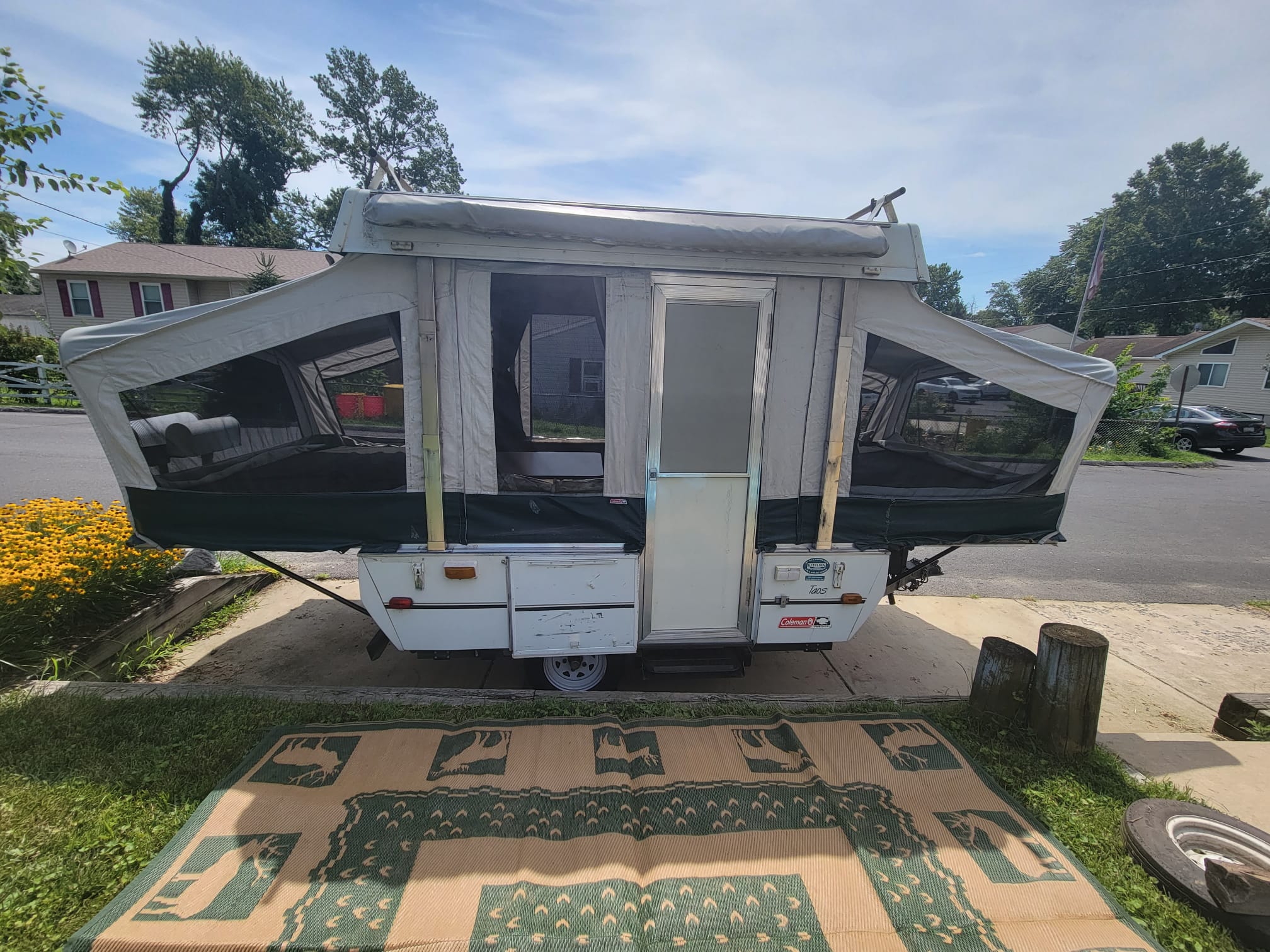
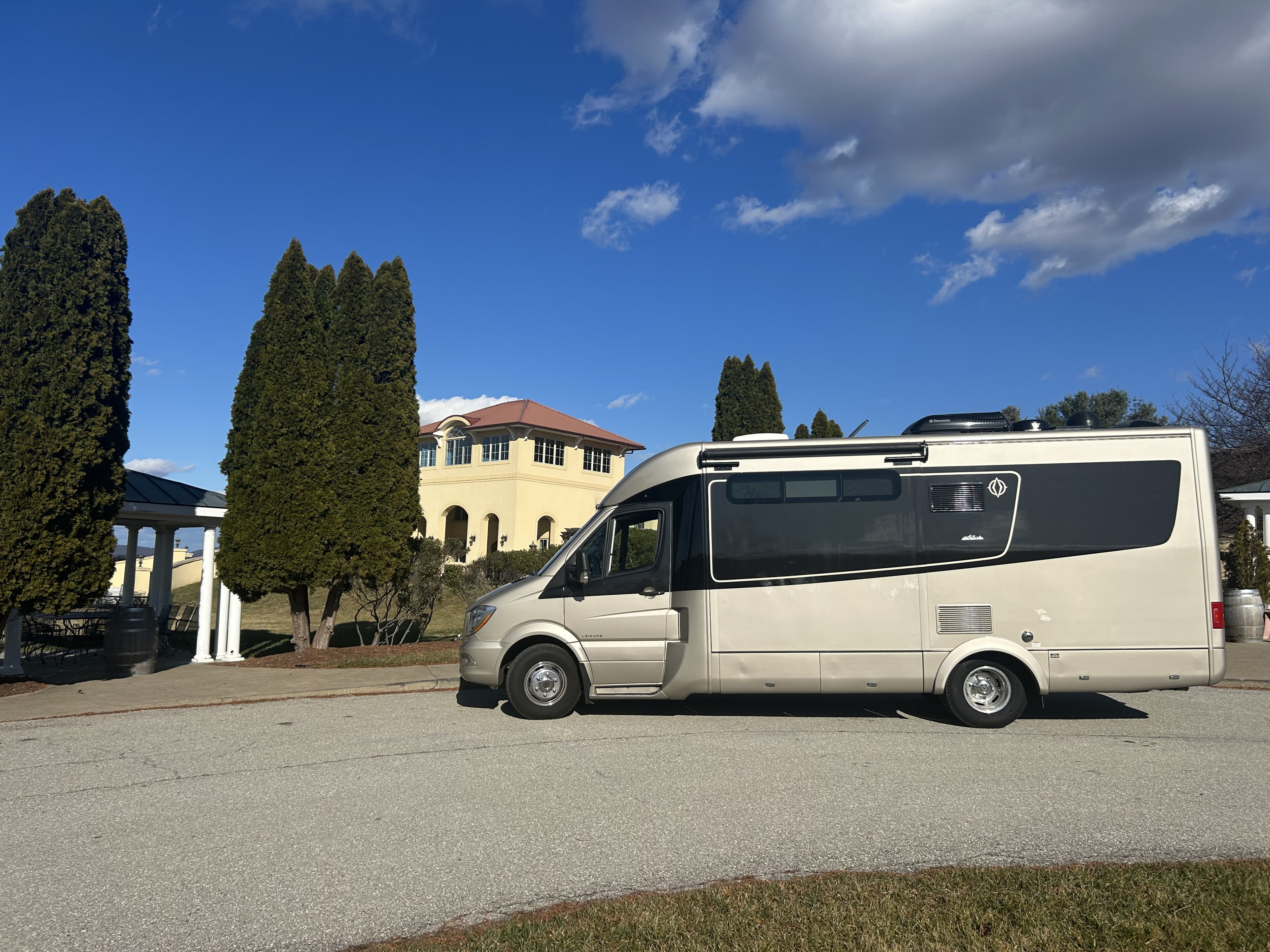
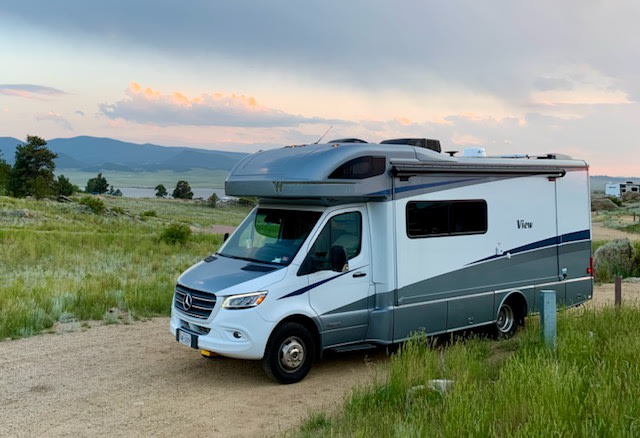
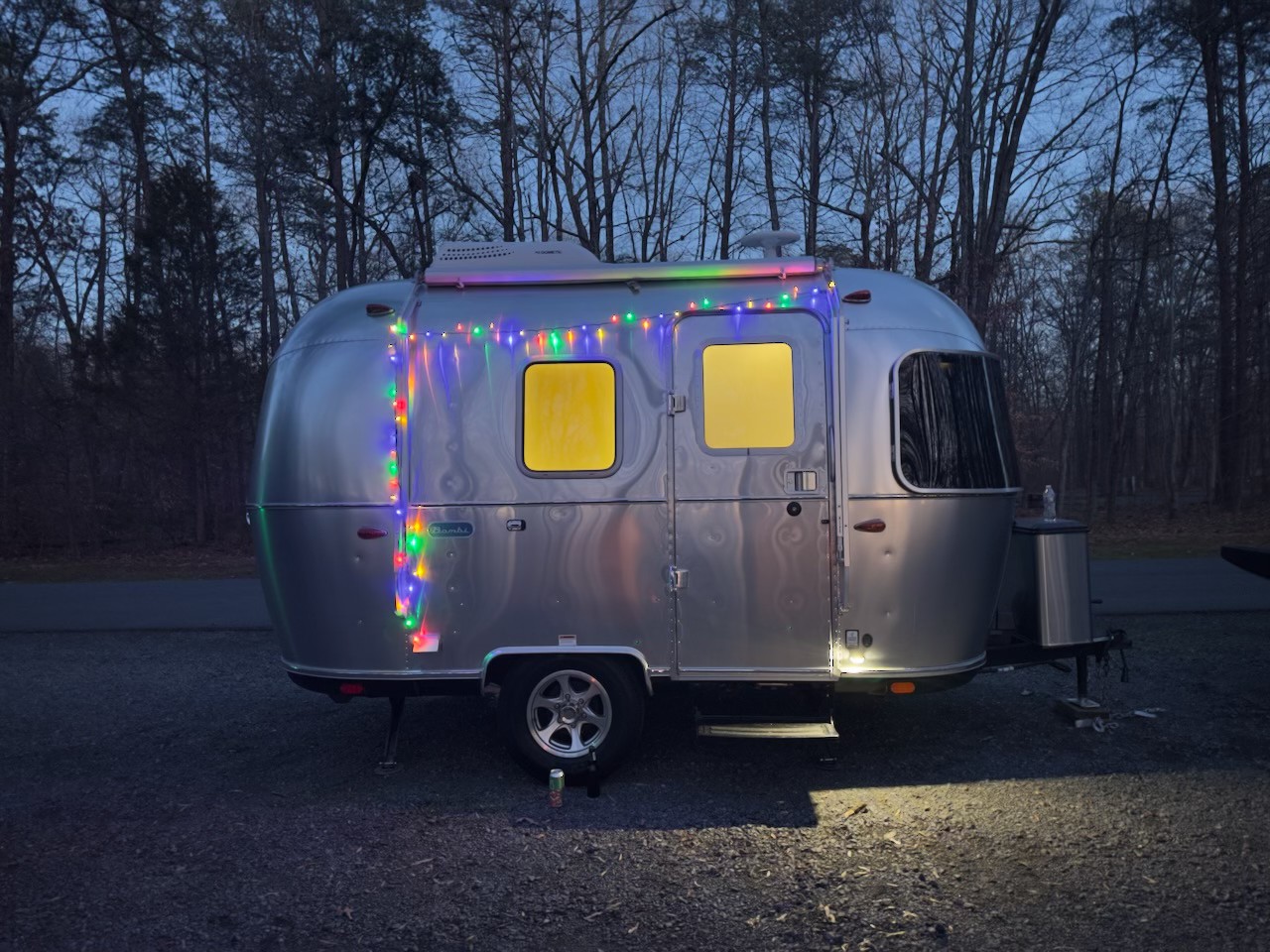
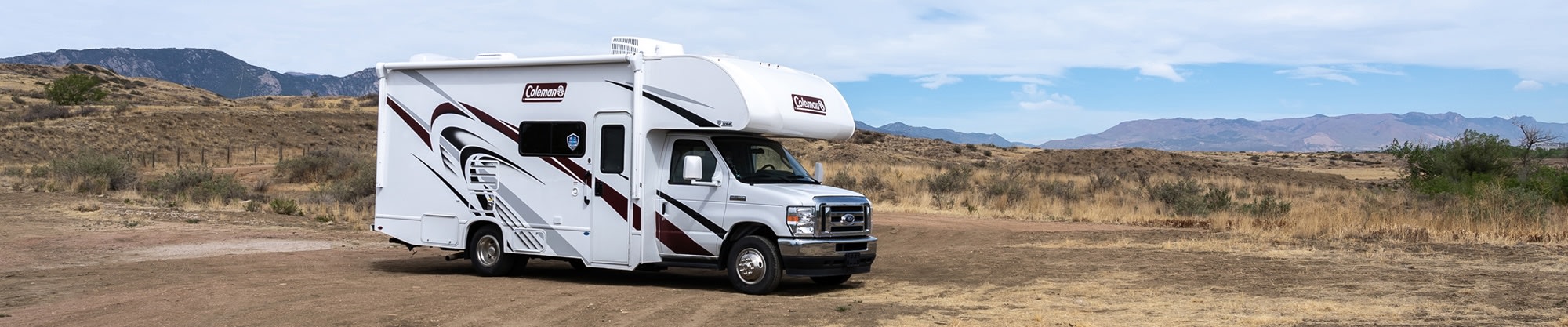
What this means in practice: Most Class A motorhomes exceed these limits. Many Class C rigs are fine if they're under 30 feet and don't carry slide-outs that push the width past 7 feet 10 inches. Class B campervans fit comfortably. Travel trailers under 26 feet with a half-ton truck typically clear the combined limits.
The Zion-Mount Carmel Tunnel — the 1.1-mile tunnel on SR-9 between the east entrance and Zion Canyon — is where this matters most. Before June 2026, oversized vehicles could pay for a ranger escort during limited hours. That option no longer exists. If you're over the limits, your only option is to enter Zion from the south entrance in Springdale and skip the east side entirely.
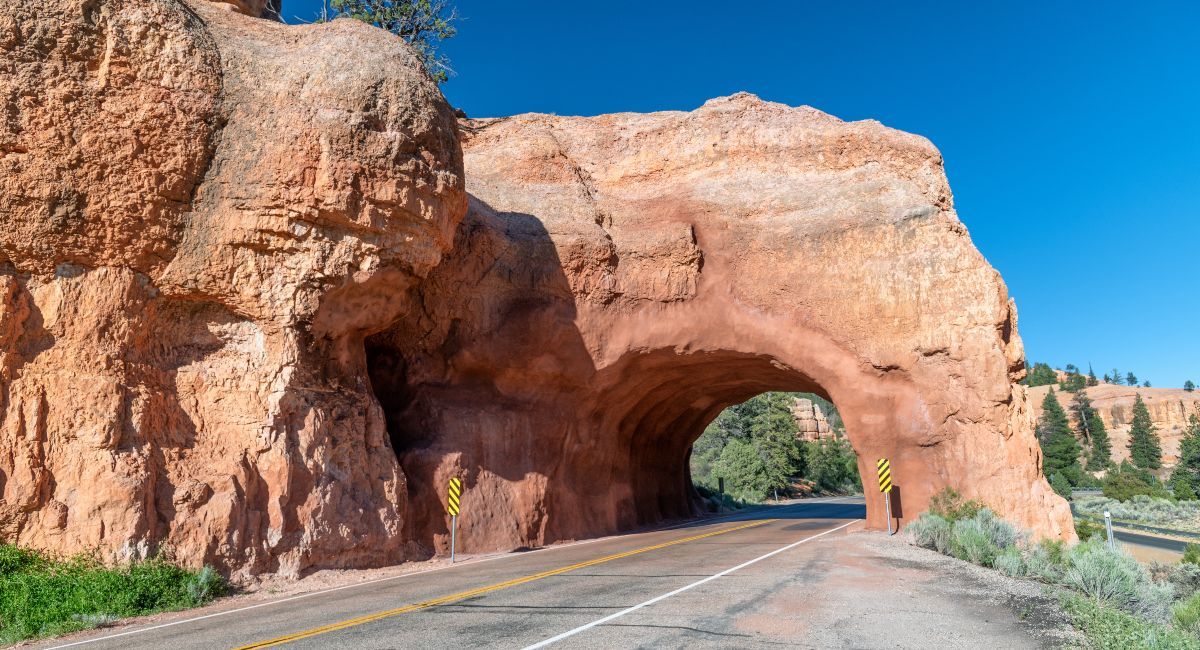
Bryce Canyon, by contrast, has no road-based vehicle restrictions. The main park road is a dead-end spur — no tunnels, no weight-restricted bridges, no narrow passes. The only limitation is individual campsite driveway length. Loops designated for RVs in both campgrounds can handle vehicles over 20 feet, and there's no posted upper limit on vehicle length for the park roads.
What campgrounds are available at each park?
Zion National Park campgrounds
Watchman Campground — the best option for RV campers at Zion.
- Sites: 176 total (95 with electric hookups — 30 amp standard, limited 50 amp)
- Fees: $35/night standard, $45/night electric
- Season: Year-round
- Reservations: Required, available 6 months in advance on Recreation.gov
- RV notes: Electric sites accommodate larger rigs. Tent-only sites cap vehicles at 19 feet. Dump station with potable water at the campground entrance.
- Restrictions: No generators, no hammocks. Cook stoves (propane/petroleum) allowed during fire restrictions.
South Campground
- Sites: 124 total (18 tent-only)
- Fees: $35/night
- Season: Late May through early November (May 29–Nov 1, 2026)
- Max RV length: 40 feet
- Hookups: None
- Reservations: Available 14 days in advance
Lava Point Campground
- Sites: 6 primitive sites
- Fees: $25/night
- Season: Early June through early October
- Facilities: Pit toilets, no water, no hookups
- Access: Kolob Terrace Road, about an hour from Zion Canyon — not practical for large RVs
Bryce Canyon National Park campgrounds
North Campground
- Sites: 99 (Loops A & B accommodate vehicles over 20 feet; Loops C & D are tent-only)
- Fees: $30/night
- Season: Year-round (reservations required mid-May through early Oct; first-come, first-served off-season)
- Hookups: None
- Dump station: Yes, mid-May through mid-October, free for registered campers
- Generators: Permitted 8 a.m.–8 p.m. in Loops A & B only
- Amenities: Flush toilets, drinking water, laundry and showers at the nearby General Store (summer)
Sunset Campground
- Sites: 100 regular + 1 group site (Loop A accommodates vehicles over 20 feet; Loops B & C are tent-only)
- Fees: $30/night
- Season: Mid-April through mid-October
- Hookups: None
- Dump station: None onsite — use North Campground's
- Generators: Permitted 8 a.m.–8 p.m. in Loop A only
Which park has better RV hookups and amenities?
Zion wins the hookup battle by a wide margin — 95 electric sites at Watchman versus zero hookups at either Bryce Canyon campground. If you need shore power for A/C, a residential fridge, or overnight CPAP use, Watchman is your park.
Bryce Canyon compensates with elevation. At 9,000 feet, summer nights drop into the 40s — you won't need air conditioning. We've watched RVers struggle with Bryce Canyon's altitude in other ways, though. Generators run less efficiently up there, and afternoon thunderstorms roll in fast. If you're relying on a generator at Bryce, budget for higher fuel consumption and keep an eye on the 8 p.m. cutoff.
Dump stations: Both parks have them. Zion's operates year-round at the Watchman Campground entrance. Bryce Canyon's operates mid-May through mid-October at North Campground. Plan accordingly if you're visiting Bryce Canyon in the shoulder season — you'll need to dump outside the park.
Nearby services:
- Springdale (Zion's gateway town): Full-service RV parks, grocery stores, restaurants, fuel, propane, laundry. The town sits right at the south entrance.
- Bryce Canyon City: Smaller, more limited. Ruby's Inn (just outside the park entrance) offers RV sites with full hookups, a general store, laundry, and showers. It's the closest thing to a service hub, but don't expect Springdale-level options.
Connectivity: Cell service is spotty at both parks. Verizon tends to have the best coverage near Springdale. At Bryce Canyon's elevation, coverage is unreliable inside the park but improves at Ruby's Inn.
Can you visit both Zion and Bryce Canyon in one RV trip?
Absolutely — and we'd argue it's the best way to experience Utah's parks by RV. The drive from Zion's south entrance to Bryce Canyon takes about 1.5 to 2 hours via US-89 and UT-12, one of the most scenic highways in the country.
Suggested 5–7 day itinerary:
- Day 1: Pick up your RV in Salt Lake City and drive south (4.5 hours to Zion) or pick up in Las Vegas and drive northeast (2.5 hours to Zion)
- Days 2–3: Camp at Watchman Campground in Zion. Ride the shuttle to trailheads (private vehicles are banned in Zion Canyon April through October). Hike the Narrows, Observation Point, or Canyon Overlook Trail.
- Day 4: Drive to Bryce Canyon (1.5–2 hours via US-89 and UT-12). Set up camp at North or Sunset Campground.
- Days 5–6: Explore the Bryce Amphitheater — Navajo Loop, Queen's Garden, and the rim trail. The park's stargazing programs are some of the best in the NPS system.
- Day 7: Drive back to your rental return city.
Route tip: The stretch of UT-12 between Bryce Canyon and Escalante is worth the detour even if you're not stopping. The hogback section — where the road narrows to a ridge with drop-offs on both sides — is dramatic, but it's not RV-unfriendly. Vehicles under 35 feet handle it fine. The road is paved, two lanes, and well-maintained.
Adding a third park: If you have 10+ days, Arches and Canyonlands near Moab are about 4.5 hours northeast of Bryce. Neither park has camping hookups, but Moab has several private RV parks with full hookups as a base.
Where should you rent an RV for Utah's national parks?
The pattern we see from renters heading to Utah's parks: pick up in Salt Lake City if you're doing the northern loop (Zion → Bryce → Capitol Reef → Arches → Canyonlands), and pick up in Las Vegas if you're sticking to the southern parks (Zion + Bryce).
Size recommendation: Given Zion's 2026 restrictions, a Class B campervan or a Class C under 30 feet is the safest bet for visiting both parks without rerouting. Class A motorhomes will work at Bryce Canyon and at Zion's south entrance — but you won't be able to drive the scenic Zion-Mount Carmel Highway or exit through the east side.
For a week-long Utah parks trip, expect to budget between $150 and $300 per night depending on the vehicle type and season. Check RV rental pricing for current rates.
Pro tip: Hosts we talk to near Springdale say the biggest mistake is booking a 35-footer without checking the tunnel dimensions first. Measure your rig with mirrors extended before you commit to the Zion-Mount Carmel Highway route.
When is the best time for RV camping at Zion and Bryce Canyon?
The ideal window depends on which park you prioritize — and how you handle heat.
Spring (April–May): Wildflowers at both parks. Zion is comfortable (70s–80s). Bryce Canyon can still get snow at 9,000 feet — North Campground is open, but Sunset Campground doesn't open until mid-April. Crowds are building but manageable.
Summer (June–August): Peak season. Zion hits 100–105°F on the canyon floor — those electric hookups at Watchman become essential for running A/C. Bryce Canyon stays pleasant in the low 80s during the day, dropping to the 40s at night. Both parks are crowded. Book campgrounds as soon as the reservation window opens (6 months ahead for Watchman, 14 days for South and Lava Point).
Fall (September–October): The sweet spot. Zion cools to the 80s–90s. Bryce Canyon's aspens turn gold. Crowds thin after Labor Day. Both parks' campgrounds are still open. This is when we'd go.
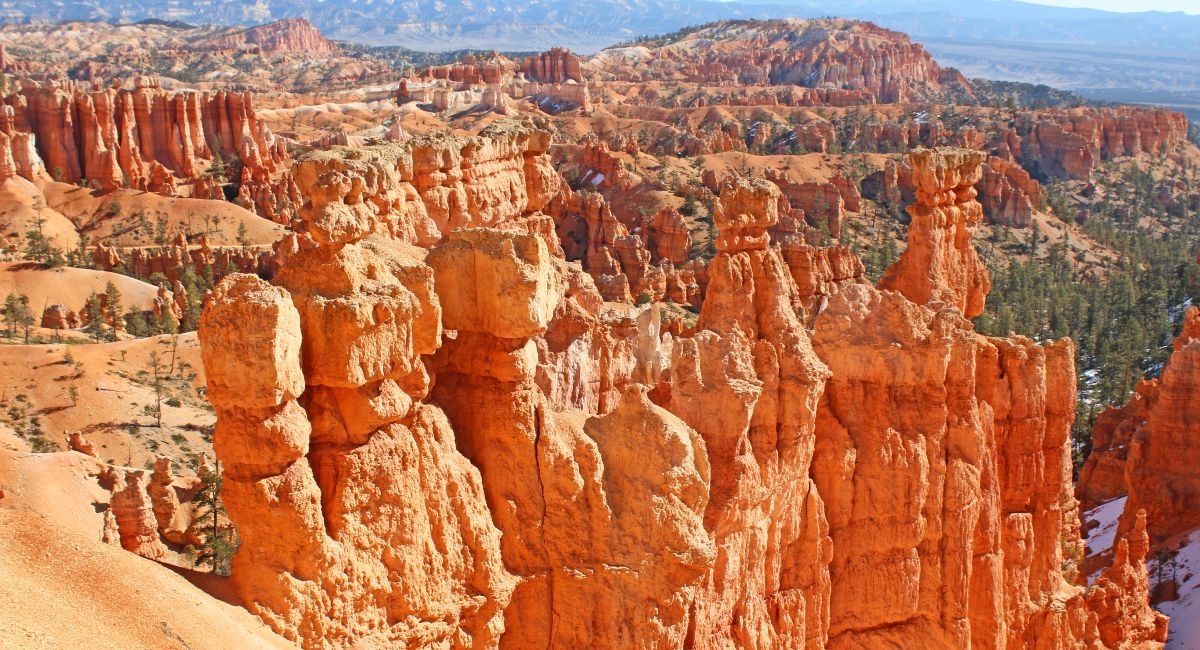
Winter (November–March): Only Watchman at Zion and North Campground at Bryce are open. Zion's canyon floor stays mild (40s–50s daytime). Bryce Canyon gets genuine winter — snow on the hoodoos is spectacular, but overnight temps drop below zero. RV camping at Bryce in winter requires serious cold-weather prep: heated tanks, insulated lines, and a robust heating system.
About this guide
This comparison draws on National Park Service campground data for Zion and Bryce Canyon (North Campground, Sunset Campground), the 2026 Zion large vehicle restriction rules from RV LIFE, and UDOT's SR-9 road restrictions page. Campground fees, site counts, and reservation windows were verified against Recreation.gov listings as of August 2026. RV rental market observations come from Outdoorsy's internal booking data across Utah gateway cities.