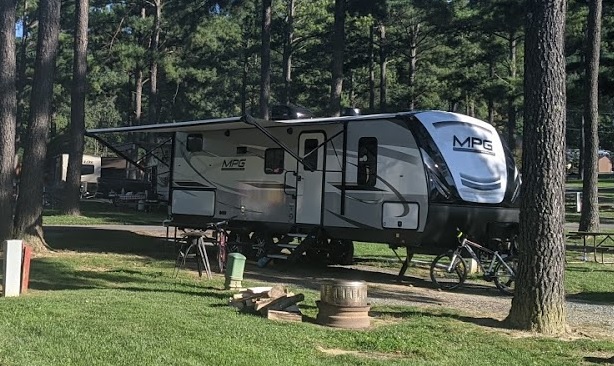
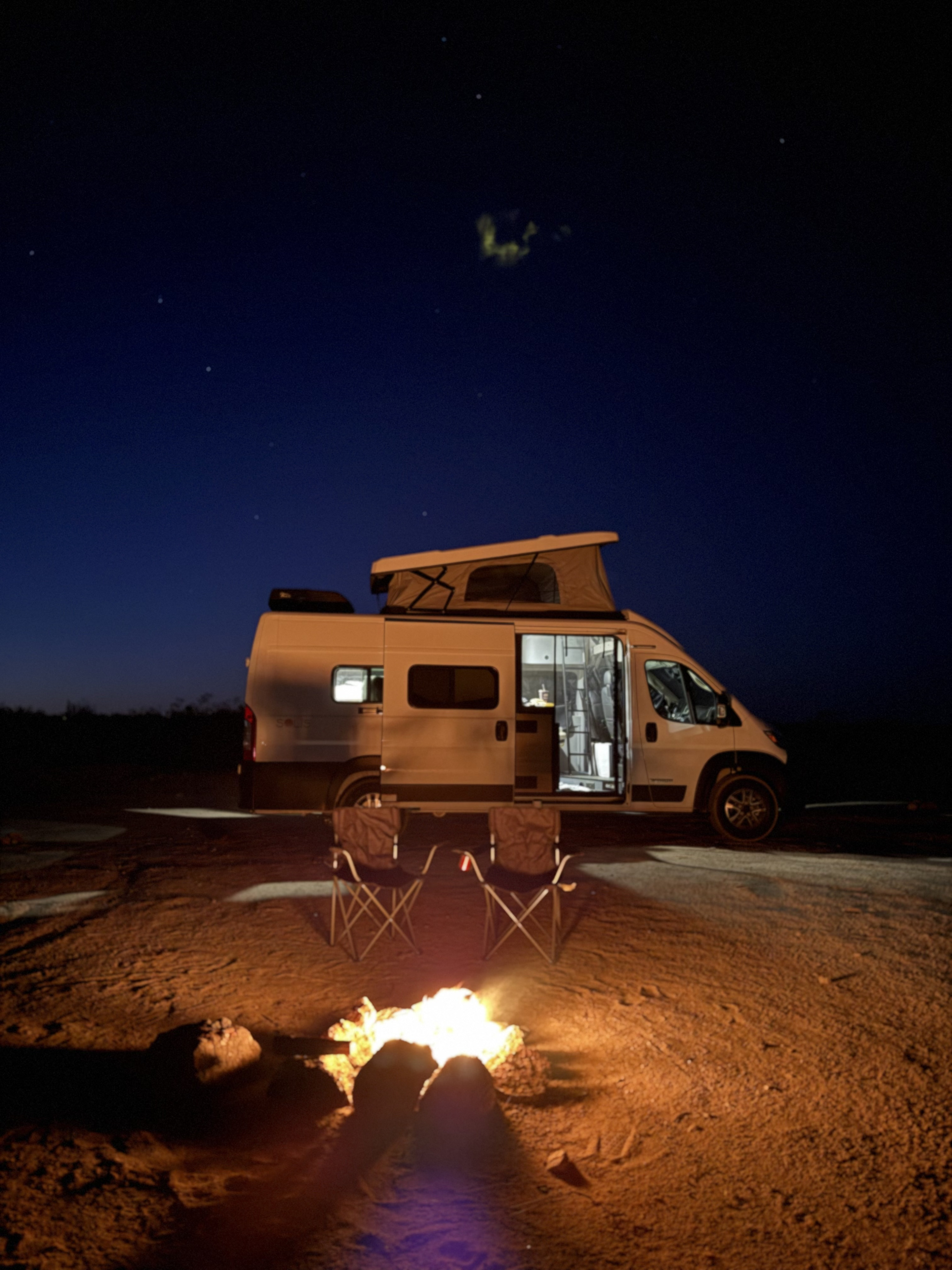
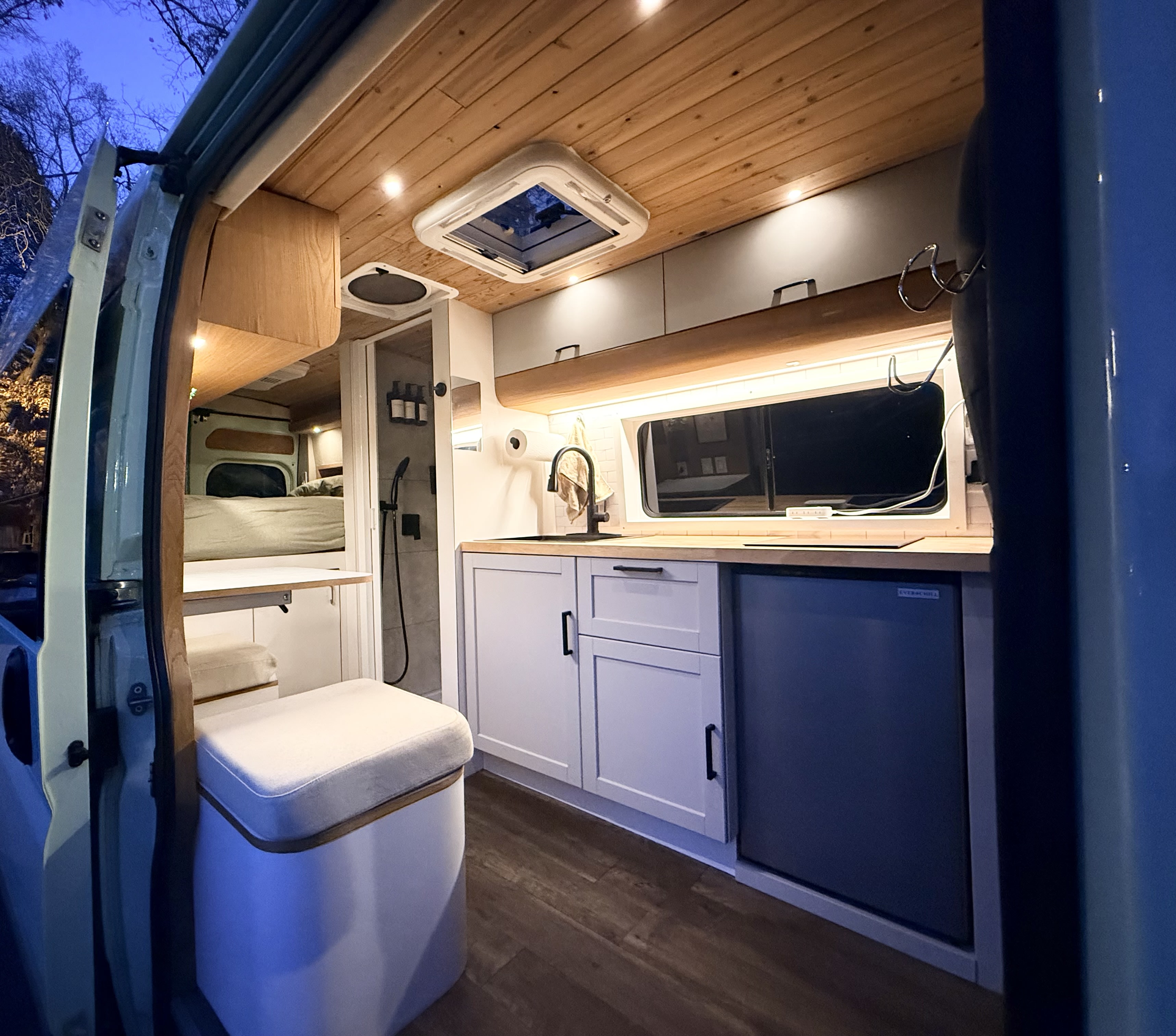
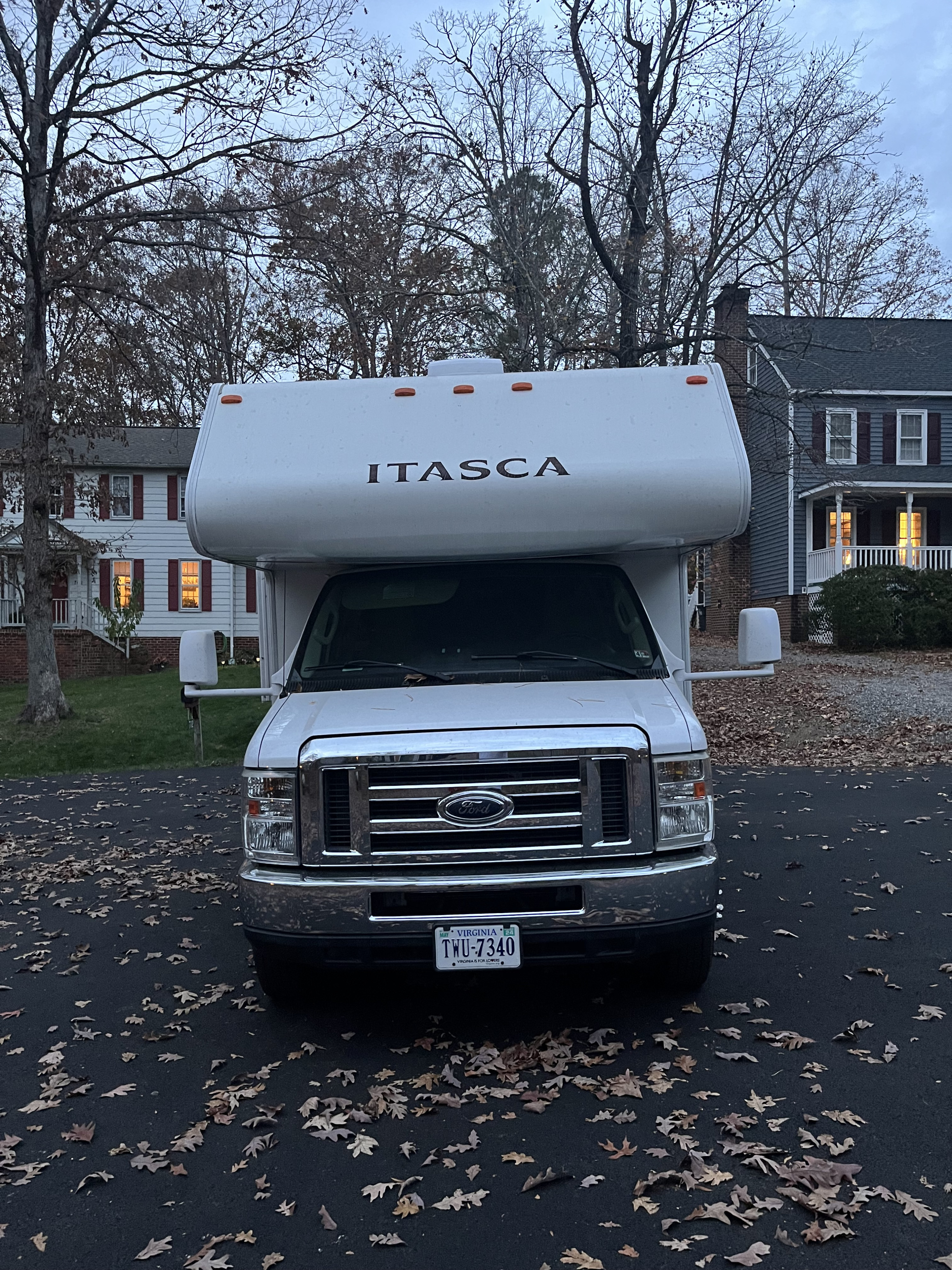
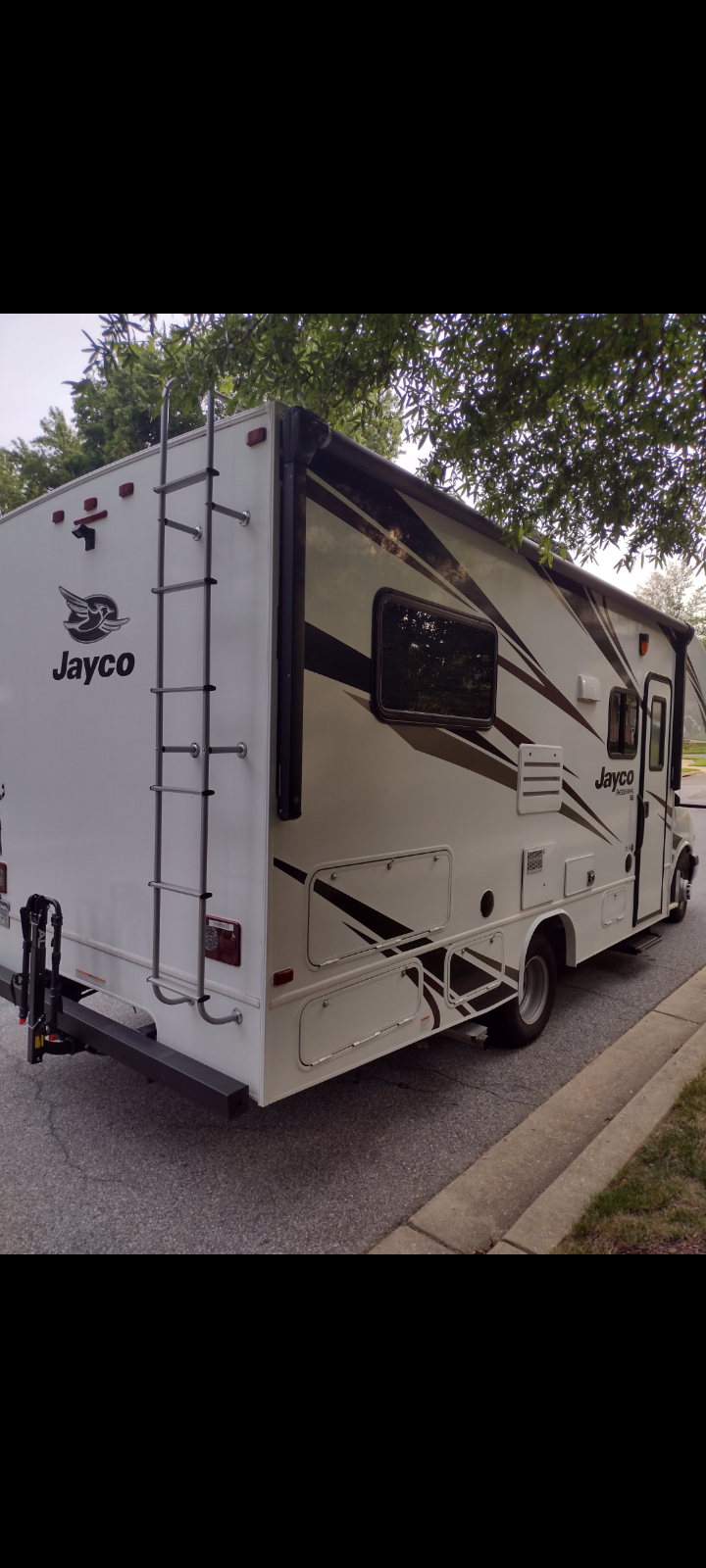
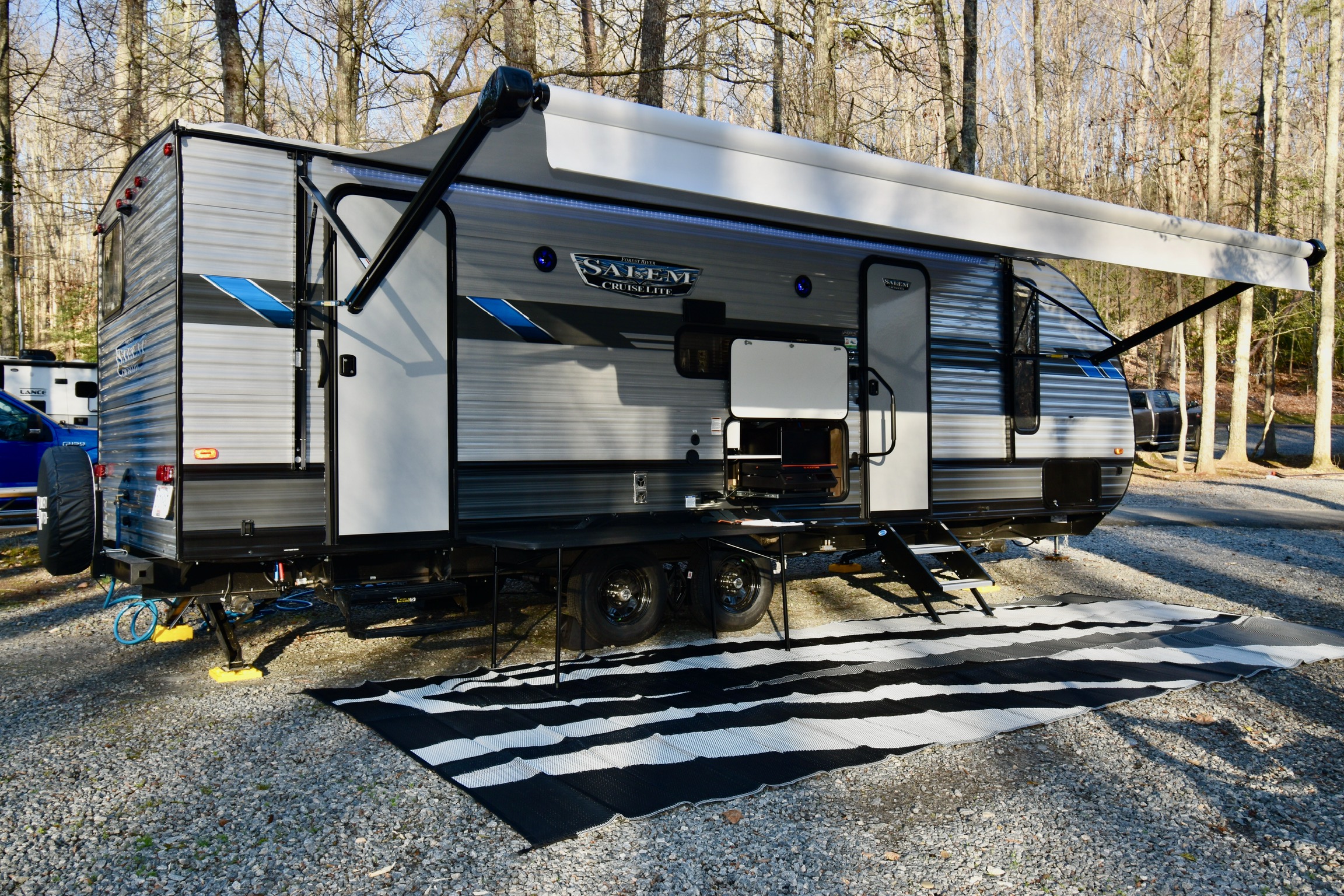
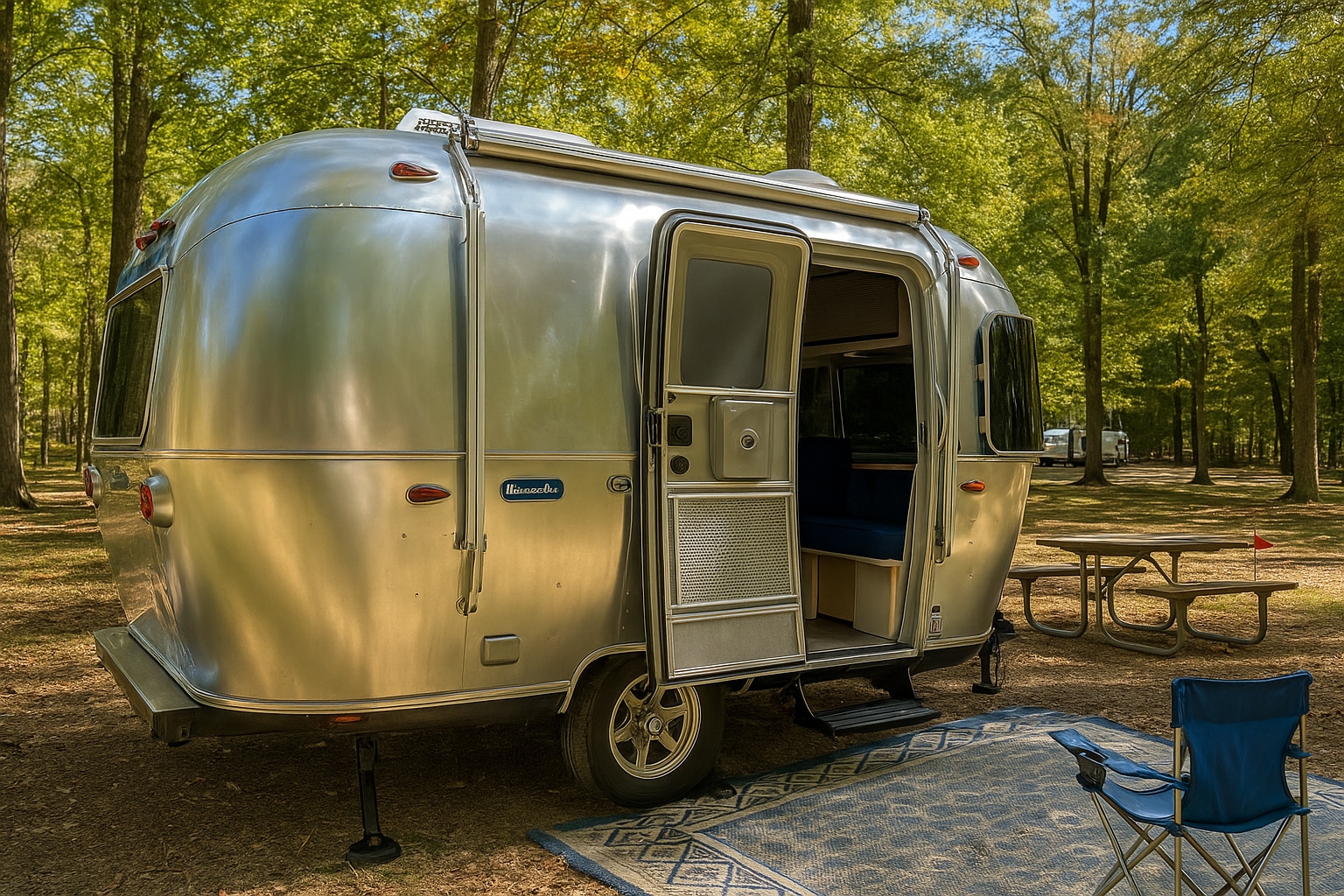
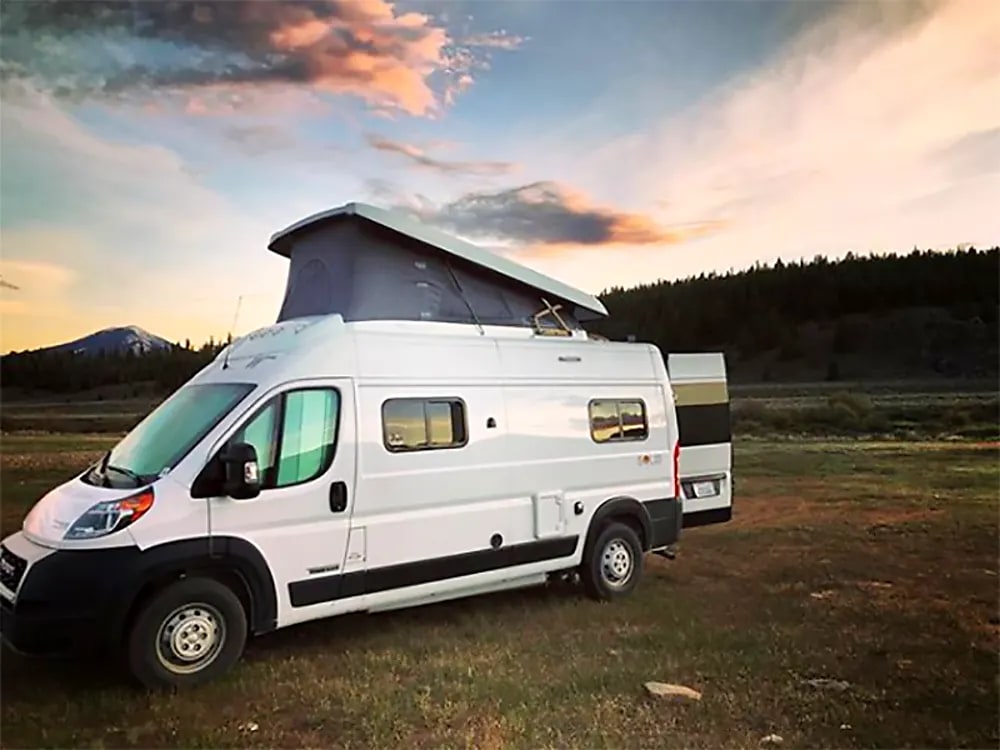
Shenandoah National Park offers exceptional RV camping across four campgrounds with over 600 sites, featuring the iconic 105-mile Skyline Drive, cascading waterfalls, and 500+ miles of hiking trails, including 101 miles of the Appalachian Trail. Big Meadows Campground provides the most amenities and central access, while strategic gateway cities like Charlottesville RV rentals and Luray campervan options offer prime access to this 199,045-acre wilderness that welcomed 1.7 million visitors in 2024, generating $175 million in economic impact to surrounding communities.
Nestled in Virginia's Blue Ridge Mountains just 75 miles from Washington, D.C., Shenandoah National Park captures the majesty of the Appalachian wilderness with its stunning mountain vistas, thundering waterfalls, and abundant wildlife. Famous for the scenic Skyline Drive that winds along the mountain crest for 105 miles, this national treasure offers RVers unparalleled access to nature's wonders. From the dramatic 93-foot Overall Run Falls, the park's tallest waterfall, to the popular Dark Hollow Falls, the park showcases over a dozen spectacular cascades accessible via well-maintained hiking trails.
You'll discover a world of adventure during your RV trip to Shenandoah, from hiking and wildlife watching to stargazing and fall foliage tours. The park's 500+ miles of trails range from easy strolls to challenging backcountry treks, with options for every skill level. You can spot black bears, white-tailed deer, and wild turkeys roaming through meadows and forests. Photography enthusiasts will find endless opportunities at over 70 scenic overlooks along Skyline Drive, each offering breathtaking views of the Shenandoah Valley below.
Spring through fall offers the best RV camping, with comfortable temperatures typically ranging from 60 to 80 degrees during summer months. Late spring brings spectacular wildflower displays and rushing waterfalls fed by snowmelt, while October transforms the park into a painter's palette of fall colors that draw visitors from across the country. Even winter offers unique opportunities for those seeking solitude and snow-dusted mountain landscapes, though most facilities close seasonally.
The park experienced 1.7 million visitors in 2024, representing a steady increase from previous years. This makes advance planning essential for securing campground reservations, especially during the peak fall foliage season in October, when the park can host over 240,000 visitors in a single month.
You can access Shenandoah through four main entrances along Skyline Drive, all suitable for RVs. The Front Royal entrance (north) at Mile 0, Thornton Gap entrance at Mile 31.5 (Route 211), Swift Run Gap entrance at Mile 65.5 (Route 33), and Rockfish Gap entrance (south) at Mile 105 (Interstate 64) provide convenient access points. The most popular entrance is Thornton Gap near Luray, though it can experience longer wait times during peak season. For shorter lines, consider entering through Swift Run Gap or Rockfish Gap.
Important Note: Mary's Rock Tunnel near Mile 31 has a clearance of just 12 feet 8 inches (152 inches). If your RV or trailer exceeds this height, you'll need to plan your route accordingly or access different sections of the park from various entrances. Most park roads accommodate RVs, though the winding mountain roads require careful driving. The maximum combined vehicle length is 75 feet, and speeds are limited to 35 mph throughout the park for safety.
Charlottesville Access: Charlottesville RV rentals position you perfectly for Shenandoah's southern and central entrances, with approximately 30-45 minutes driving time to the park via Swift Run Gap or Rockfish Gap. This historic college town offers full services, dining, and shopping before heading into the wilderness.
Luray Gateway: Luray campervan rentals provide excellent access to Thornton Gap entrance and the park's central district, home to popular attractions like Skyland Resort and Big Meadows. Luray is also convenient for visiting the famous Luray Caverns before or after your national park adventure.
Big Meadows Campground is the park's largest and most popular campground, open from late March through November with 221 sites for tents and RVs up to 32 feet in length. Located at Mile 51.2 on Skyline Drive at 3,510 feet, this campground offers the most amenities, including a camp store, coin-operated showers and laundry, a dump station, and access to Big Meadows Lodge dining. The central location provides easy access to popular hiking trails, including Dark Hollow Falls (just 1.4 miles round-trip), Rose River Falls Loop, and the Appalachian Trail.
The campground sits adjacent to the historic Big Meadows area, a subalpine meadow that explodes with wildflowers in late spring and summer. Wildlife viewing is exceptional here, with frequent deer sightings and occasional black bear appearances. Big Meadows is also renowned for stargazing, hosting the park's annual Night Sky Festival in August. All sites are reservable through Recreation.gov up to six months in advance, and they fill quickly for summer weekends and all of October. Sites include picnic tables, fire rings, and bear-proof food storage lockers.
Mathews Arm Campground operates from late April through October, offering 166 sites for tents and RVs up to 32 feet long. Located at Mile 22.2 in the park's northern district at 2,800 feet, this is the most remote and wooded campground, making it ideal for those seeking a quieter experience. A mix of reservable and first-come, first-served sites provides flexibility, though arriving early is recommended during peak season.
Amenities include vault toilets, a dump station, and potable water, but no showers or laundry facilities. The cooler, shadier location makes this an excellent choice during hot summer months. Nearby trails include the Overall Run Falls Trail (6.5 miles round-trip to the park's tallest waterfall) and the Elkwallow area with its picnic grounds and wayside for snacks and supplies.
Private stables not only provides guided horse tours, but they also house several sweet ponies that are a perfect companion for smaller children. While kids can’t travel out on the trails with these ponies, they can enjoy their own smaller-scale excursion. Pony rides are a perfect way to get out and spend the day with the kids. The only requirements are that children can reach the stirrups and wear helmets whenever atop a pony.
A good majority of Shenandoah’s visitors come to take in the park from a more unique perspective - along the rocks. Enjoying nature and the feelings it evokes in the human spirit have a whole new meaning when clinging against a rock face. Rock climbing is an experience that creates a bond to nature in a whole other way. To ensure you have not only a good time, but a safe one, it’s best that you follow all guidelines and park recommendations. If you are not an experienced rock climber, it is a good idea to consider hiring a professional guide to accompany you on your adventure. Pack a bag which includes appropriate footwear, drinking water, and snacks.
This is an easy hike that stretches just shy of a mile. The entrance to the trail is found at Compton Gap parking area (mile 10.4 of Skyline Drive). From here, follow the trail north to the intersection with Dickey Ridge Trail, go to the left, and soon you’ll come across the Fort Windham Rocks. They aren’t hard to miss. The boulders are deeply split and rise above the ground about 50 feet. A lot of the park’s visitors make a stop here. It’s a perfect spot to snap a few photos.
Spring is the ultimate season for waterfall enthusiasts, when snowmelt and spring rains transform Shenandoah's cascades into thundering spectacles. Overall Run Falls, the park's tallest at 93 feet, flows strongest from March through June before often drying up in summer. Dark Hollow Falls, the park's most popular cascade, features multiple drops just 1.4 miles roundtrip from Skyline Drive. Other must-see spring waterfalls include South River Falls (83 feet), Whiteoak Canyon's six-tier cascade system, and the picturesque Rose River Falls Loop.
You can park your RV at campgrounds and designated parking areas near visitor centers, trailheads, and major overlooks along Skyline Drive. Parking may be limited for larger RVs during peak season, especially at popular trailheads like Dark Hollow Falls and Hawksbill Summit. Arrive early in the day during summer weekends and October to secure spots. Most overlooks have pull-off areas suitable for RVs, though some are more spacious than others.
While public transportation isn't available within the park, you can access nearby gateway towns via bus and regional transit. Once inside the park, hiking and the free Appalachian Trail shuttle (seasonal) provide alternative transportation. Several private companies offer guided tours and shuttle services for specific trails and attractions.
Loft Mountain Campground operates from late April through October, offering 202 sites for tents and RVs up to 32 feet long. Located at Mile 79.5 in the southern district at 3,400 feet, this campground features rolling hills and more open terrain compared to other park campgrounds. A mix of reservable and first-come, first-served sites is available.
Amenities include a camp store, coin-operated showers and laundry, flush toilets, and a dump station. The higher elevation location offers stunning sunset views and excellent stargazing opportunities. Nearby attractions include the Loft Mountain summit trail, Doyles River Falls, and Jones Run Falls. The campground's southern location makes it convenient for those entering via Rockfish Gap or exploring the Blue Ridge Parkway, which connects directly to Skyline Drive.
Lewis Mountain Campground is open from April through October with 31 sites operated entirely on a first-come, first-served basis using cashless self-registration via the Recreation.gov app. Located at Mile 57.5 at 3,390 feet, this is the smallest and most intimate campground, perfect for smaller RVs and those seeking a cozy, community atmosphere.
Sites accommodate RVs up to 30 feet, with most being back-in style. Amenities include flush toilets, coin-operated showers, a small camp store, and a dump station. The campground also features rustic cabins for rent. Lewis Mountain provides easy access to moderate hiking trails and sits conveniently between Big Meadows and Loft Mountain, making it an ideal base for exploring the park's central district.
Dundo provides group camping within Shenandoah. The grounds provide sites for a minimum of seven guests, and up to 20. Full-service bathrooms are provided. Unfortunately, both generators and RVs are prohibited from use. All check-ins are made at the Loft Mountain Campground. Loft lies a little less than four miles north of Dundo and is the go-to location for getting a shower and using laundry facilities. A camp store is also found at Loft Mountain campground, so you can easily stock up before returning to Dundo.
Shenandoah offers incredible opportunities for backcountry camping with over 300 backcountry campsites scattered throughout the park's 199,045 acres, including nearly 80,000 acres of designated wilderness. Permits are required for all overnight stays and must be obtained in advance. The park offers both trail-accessible campsites and more remote wilderness camping experiences. Remember that higher elevations may have snow through June, and proper bear safety measures are mandatory. All backcountry campers must use bear poles or bear canisters for food storage.
Explore more RV parks and campgrounds across North America for your next adventure.
Shenandoah Valley Campground: This friendly private campground is conveniently located near one of Shenandoah National Park's entrances and lives by the motto "Enter as strangers, leave as friends." The campground frequently hosts community events and encourages spontaneous games of basketball, cornhole, or mini-golf. Each RV site has a fire ring, and there's also a community fire pit with seating where staff start roaring campfires on weekends. This worry-free RV camping experience provides full amenities just outside the park boundaries.
Luray RV Resort on Shenandoah River: Nestled beside the scenic Shenandoah River, this premier resort offers the ultimate blend of outdoor adventure and luxury relaxation. The resort features a dazzling pool with waterslides, pickleball courts, an RC car track, and a BMX track for endless entertainment. Surrounded by breathtaking mountains and conveniently located near Endless Caverns and Luray Caverns, the resort offers modern amenities, including RV sites, cozy cabins, cottages, and stylish Airstream rentals. This is your gateway to a remarkable Shenandoah adventure with premium accommodations.
Spacious Skies Shenandoah Views: This serene campground sits atop a hill in Luray, Virginia, offering stunning views of the Blue Ridge Mountains from every angle. Just 20 minutes off I-81 yet peacefully rural, the campground provides both shady and open RV sites that accommodate all sizes with 30 or 50-amp electrical service. Deluxe cabins and yurts offer unique glamping experiences. On-site amenities include sparkling pools, a playground, a jumping pillow, a camp store, a dog park, and a gathering yurt. The prime location places you minutes from Luray Caverns and Skyline Drive.
Harrisonburg/Shenandoah Valley KOA: Located in Broadway, this award-winning KOA is conveniently close to the interstate, state and national parks, shopping, and dining. Campground amenities include concierge service, personal escort to your site, a seasonal pool, fishing, game room, equipment and games to borrow, restrooms and showers, laundry facilities, Wi-Fi, snack bar, and mini store with propane and firewood. Sites accommodate RV rentals up to 90 feet long with graveled sites, picnic tables, and stone fire rings. Choose from pull-through or back-in sites with full or partial hookups and 30 or 50-amp service.
This award-winning KOA in the foothills of the Blue Mountains is the second-oldest KOA east of the Mississippi. Located near historic Monticello (Thomas Jefferson's home) and Highland (James Monroe's residence), the campground offers a swimming pool, fishing, jump pad, playground, nature trail and pond, sports fields, bike rentals, pavilion, restrooms and showers, laundry facilities, and Wi-Fi. Pull-through sites accommodate rigs up to 65 feet with full or partial hookups, cable TV, and 20, 30, or 50-amp service. Themed and holiday weekends are celebrated throughout the year at this family-friendly KOA.
Shenandoah Acres Family Campground: Discover the breathtaking beauty of the Blue Ridge Mountains at this full-amenity family campground. The property features a camp store, laundromat, two pavilions, propane services, firewood, and ice. Enjoy swimming in the lake, fishing in the fishing pond, or playing mini-golf. This pet-friendly campground also offers volleyball and basketball courts, two game rooms, four playgrounds, weekly DJ or live music, and children's craft activities. Choose from full-hookup RV sites with 30/50 amp service, water and electric sites, tent sites, sandstone lodges, or lakeside cottages.
Shenandoah River State Park: Located in Bentonville, about 15 miles north of Luray, this state park offers 32 RV sites with water and electric hookups that accommodate rigs up to 60 feet long. Open year-round with flush toilets, hot showers, and coin-operated laundry, the park features over 1,600 acres of land and five miles of Shenandoah River shoreline. Exciting zip line tours, easy river access, and miles of picturesque trails await. Half of the campsites are reservable, while the other half operate first-come, first-served. The park also offers cabins that accommodate up to 12 people.
There are over 70 mountainous streams that flow through Shenandoah. They support a very diverse world of aquatic flora and fauna, and opportunities for fishing are abundant. There are certain regulations in place to protect eastern brook trout populations, so brush up on area fishing regulations before setting out. For fishing enthusiasts looking for a little more of a challenge, these waters are also perfect for working on your fly fishing technique. Take your choice of fishing from the shore or from a canoe or kayak out on the water.
There are several area restaurants near to Shenandoah National Park that offer excellent cuisine in a tranquil setting with a rustic feel. Most of these establishments serve breakfast, lunch, and dinner to meet the needs of every RV camper.
Some of the area taverns offer lighter, pub-style fare and family-friendly entertainment during the evening hours. There are also many different places offering takeout options for those who prefer to grab and go.
While not permitted on trails, unpaved roads, or in grassy areas, bicycling is a recreational activity you can enjoy along the length of Skyline Drive. For those who enjoy getting out on two wheels instead of four, you can travel this well-trekked road and peer out over the overlooks with ease. Cyclists are advised to always travel with extreme caution, as Skyline Drive is a two-lane road with rather steep hills and winding, blind curves. Elevation changes can also mean dramatically different weather. Always come prepared for all sorts of conditions.
Intermittently throughout fall, Ranger-led tours of Rapidan Camp are provided. Reservations must be made for this tour, and a fee is charged. Reservations can be made up to two weeks in advance, so you can be sure you secure a spot. This exhibit once was the summer retreat for President Herbert and First Lady Lou Henry Hoover.
One of the main features of the property is a cabin built by the president and known today as Brown House. The cabin was completely refurbished to restore it to its original state in keeping with its historical origins.
To join in, all you need is a GPS, a geocaching online account, and an enthusiasm to explore the park. Visitors have widespread access to the property but will find all geocaches along marked trails. It is not advised to ever roam off the designated paths. Earthcaching means there are no physical trinkets to uncover, but Shenandoah’s natural features provide the reward worth discovering.
Though fall weather is typically quite moderate, it is recommended that you dress in layers in case of cold or inclement weather conditions. Bring along drinking water and snacks to enjoy.
This is a strenuous 9.8-mile hike that features spectacular views. This trail is action-packed, with several stream crossings and a small waterfall. Huge rock formations make up some of the scenic geological wonders along the trail. A shorter hiking option is available via access through Chimney Rock, however, you won’t get to reap the reward of Riprap and Wildcat Ridge’s swimming hole and beautiful cascades. Bring along a towel and a bathing suit in case the water is warm enough to take a dip. You will also want to carry some bottled water and snacks with you on his adventure.
The Appalachian Trail is a 2,180-mile (and then some) trek that traverses all sorts of lands, spanning along the mountain range. One-hundred and five miles of the trail is located in Shenandoah National Park and makes for another welcome footpath for visitors. You’ll often find it following the same path as the famed Skyline Drive. There are all sorts of stops and shelters along the Appalachian Trail, and it’s not uncommon to come across a number of backcountry campers.
Guided rides can be arranged through Skyland Stables, the park’s concessioner. Those traveling on horseback are able to enjoy over 180 miles of trails that range from smooth, wide paths to steep, narrow trailways. Guided rides depart from the stables, cross Skyline Drive, travel past the Limberlost area, and through an old apple orchard. It’s a truly genuine experience to appreciate the park atop such a strong companion.
Dress comfortably and bring along a picnic blanket and packed lunch, so you can stop at a scenic lookoff point and enjoy lunch on the grounds. You will need lots of drinking water to keep from becoming dehydrated along your journey.
Spring hiking offers comfortable temperatures and fewer crowds on popular trails. The Dark Hollow Falls Trail provides the quickest waterfall fix, while more adventurous hikers can tackle the 9.3-mile Whiteoak Canyon Loop for spectacular multi-tier waterfall views. Old Rag Mountain, one of Virginia's most popular hikes, becomes accessible as winter ice melts, offering challenging rock scrambles and 360-degree summit views. Remember that higher elevation trails may retain snow through May.
Spring brings black bears out of hibernation, making April and May prime months for bear sightings as they forage for food. White-tailed deer become more active, and fawns appear in late spring. Bird migration peaks in May, with over 200 bird species recorded in the park. Lamar Valley—wait, that's Yellowstone! In Shenandoah, head to Big Meadows at dawn or dusk for the best wildlife viewing, or explore the Dickey Ridge area in the park's northern district. Always maintain safe distances and never approach or feed wildlife.
The seven picnic areas in Shenandoah National Park are quite scenic and spacious. They are certainly an ideal setting for spending a relaxing lunch. What more could you ask for than such pristine surroundings? Picnic tables and grills are provided. Shenandoah, along with other National Parks, has worked hard to make as many of the parts of the park as accessible-friendly as possible so that everyone, of every ability, can take in the parks and their splendor. If needed, fully accessible settings are provided. Bring a packed lunch from home and some drinking water to share. Your pooch may tag along on your picnic adventure, but please keep them leashed at all times.
Summer provides ideal conditions for exploring the full 105-mile length of Skyline Drive, with all 70+ scenic overlooks accessible. Start early to beat crowds and catch golden-hour light painting the Shenandoah Valley below. Stop at the Harry F. Byrd Visitor Center at Big Meadows (Mile 51) to learn about park history and pick up trail maps. The drive typically takes 3-4 hours without stops, but plan a full day to enjoy overlooks, short hikes, and waysides offering food and supplies.
Ranger-guided programs are a fantastic way to provide all visitors with an opportunity to dive into the wonders of the park. Just about anything you could want to know about this recreational area is provided in detailed talks and interpretive programs that are held throughout the season. Learn about the park’s thriving plants and animals, hike through mountain meadows, take in Shenandoah’s past, and so much more.
While the beautiful colors of fall fade, winter brings about its own beauty. The crisp, clear surroundings of Shenandoah National Park make for a pristine winter wonderland worth capturing. Geological features and supreme viewpoints make for spectacular photo subjects. The panoramas you can capture here are postcard-worthy. If you’re more into photographing wildlife, be sure to always maintain a safe distance and use that zoom (instead of your feet) to get a closer view.
The exhibits at Byrd Visitor Center tell stories of the park’s establishment and early developments, including tales that aren’t often discussed. Shenandoah’s landscape has changed greatly as a reflection of the values around it. The exhibit showcases those changes and compels visitors to get involved in the park’s future. While most facilities of the park are closed during the winter season, Byrd Visitor Center remains open with limited hours. It’s a nice setting to get out of that crisp winter air.
Avian enthusiasts will love Shenandoah’s winter bird life. Several species are actively searching for seeds and berries, or foraging through bark for insects. Look out for favorites, such as chickadees, nuthatches, woodpeckers, and more. Even when you can’t see them, you’ll be sure to hear them. That’s the beauty of the serene solitude Shenandoah supports in winter. To aid you on your journey, pack a bag which includes binoculars, a naturalist's guide, and a camera, so you can spot, identify, and record the unusual bird species you discover in the park.
Snow reveals animal tracks, scat, and signs of wildlife activity invisible during other seasons. Winter is an excellent time to learn about animal behavior by reading tracks. Deer, bobcats, and other creatures leave clear signatures in fresh snow. Bring a wildlife tracking guide and camera to document discoveries. Remember that wildlife is more vulnerable in winter, so maintain extra distance and never pursue animals.
Did you enjoy reading this guide? For more Blue Ridge Mountain adventures, check out our Blue Ridge Parkway road trip guide.