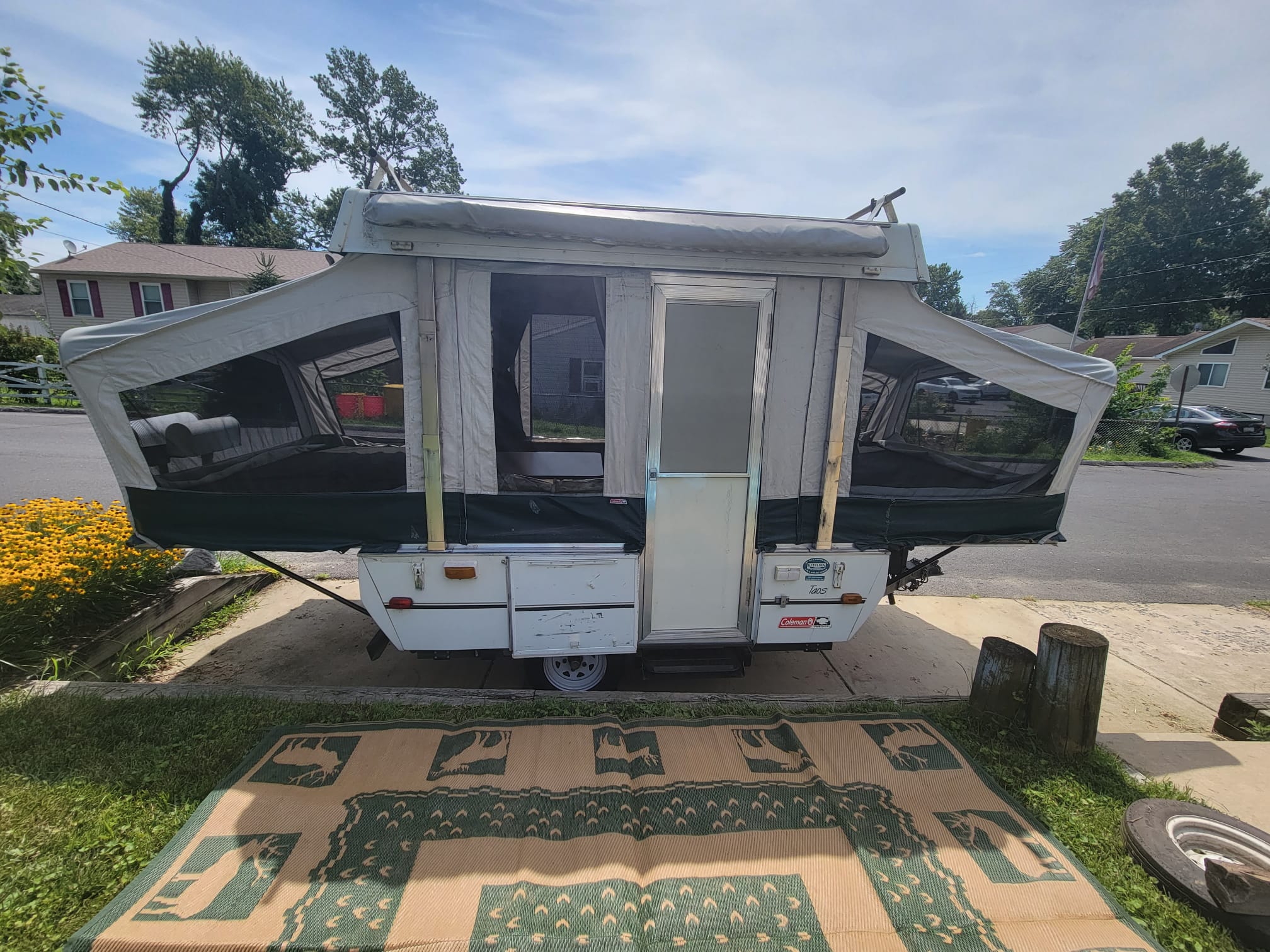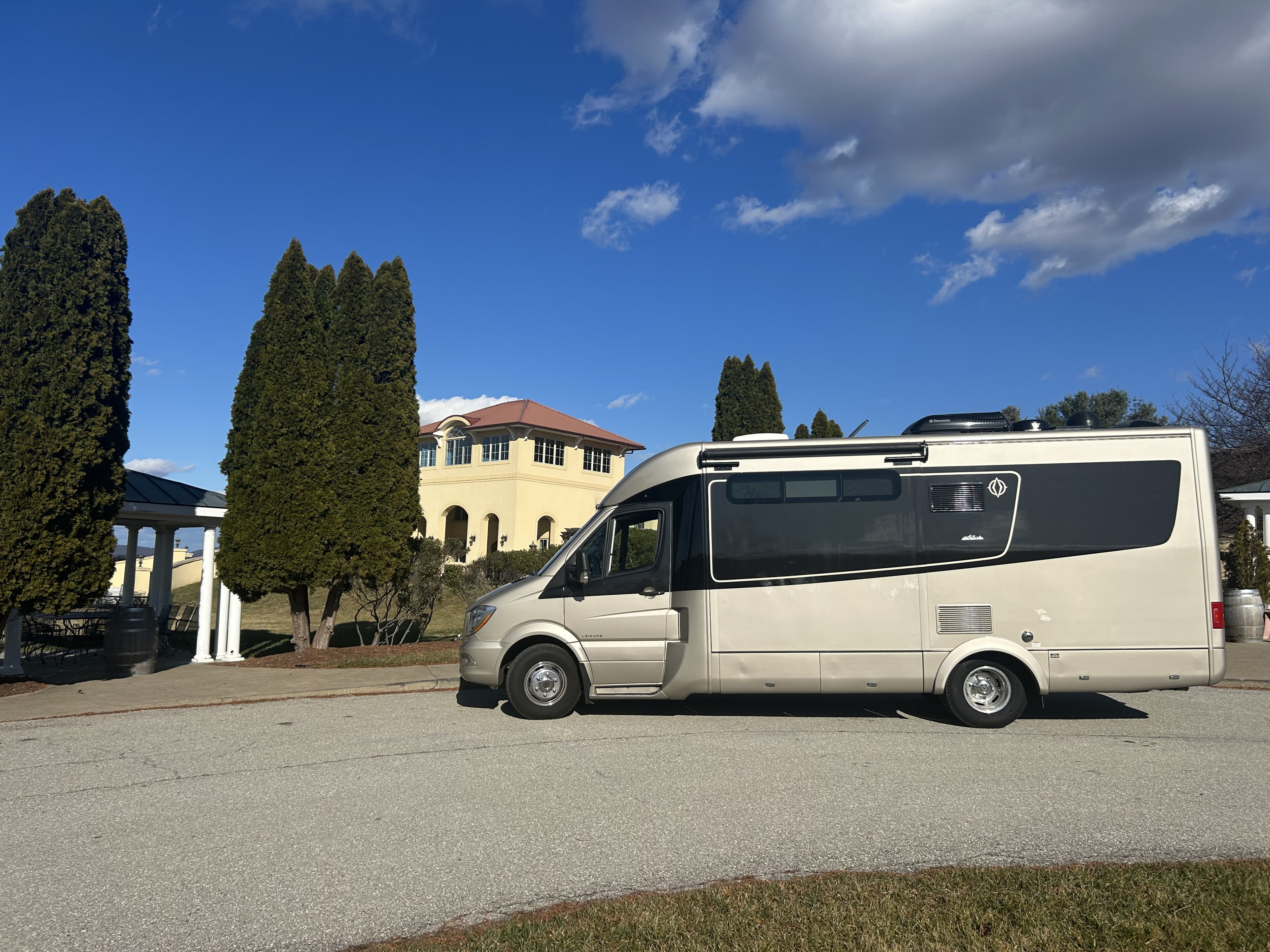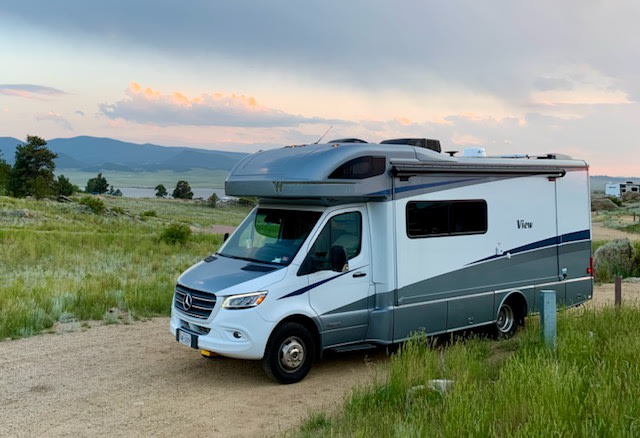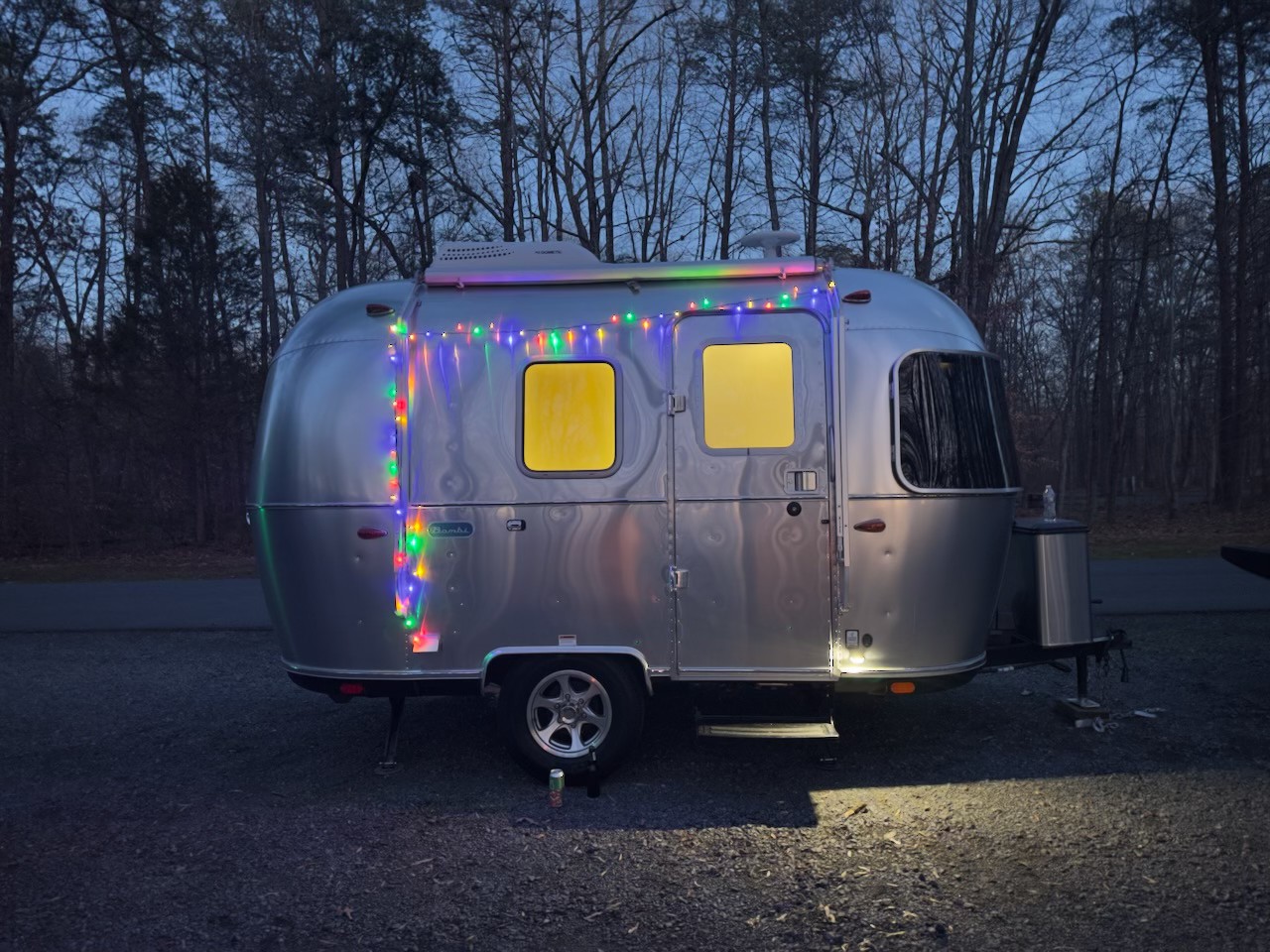


Every "best family campgrounds" list reads like it's written for someone who already owns the RV. The one question every renter actually needs answered is missing: will the rig you booked fit the campground you booked? This roundup is built around four rental-fit checks — max length, hookups, booking window, and whether the campground accepts a delivered rental — paired with an amenity-to-age map so the pool, splash pad, or pickleball courts you pick actually fit your kids.
The short version:
- The best family campgrounds pair real kid amenities — pools, splash pads, jumping pillows, planned activities — with sites that fit your rig.
- For renters, check four things per campground: max RV length, hookups, how far ahead to book, and whether they allow a delivered rental.
- Match amenities to ages — splash pad and playground for toddlers; pool, game room, and planned activities for school-age; lake sports and pickleball for teens.
- National-park campgrounds rarely have hookups; private resorts usually do.
- Peak-summer family sites fill months ahead — book early.
What makes a campground family-friendly for an RV trip?
A campground earns the "family-friendly" label when it combines kid amenities (pool, splash pad, playground, jumping pillow, game room, planned activities) with safety basics (gated entrance, lighting, 24/7 host on site) and rental-fit specs (length-appropriate sites, full hookups for big rigs, third-party delivery allowed). Any one of those without the others falls short for renters.
In our experience, the campgrounds that keep kids happiest aren't the ones with the longest amenity list — they're the ones with planned activities that run all day. A daily craft hour, a morning hike with a ranger, a Friday-night campfire program: those structure the kids' day in a way that a pool alone doesn't. The KOA "Holiday" tier and Yogi Bear's Jellystone Parks both lean into structured programming; many state parks and NPS campgrounds rely on the amenity inventory alone.
The amenity types that matter:
- Water play: pool, splash pad, lazy river, lake/beach access. The single biggest happiness lever for kids on hot summer days.
- Active play: playground, jumping pillow (the inflatable jumping mats KOAs and Jellystones tend to have), tennis or pickleball courts, mini golf.
- Indoor play: game room, indoor pool, rainy-day craft programs. Underrated for trips with weather variance.
- Outdoor adventure: lake sports (kayaks, paddle boards, fishing), bike paths, ranger programs, hiking trails.
- Safety basics: gated entrance, lit walkways, 24/7 host or office, lifeguards at the pool (or clearly posted hours).
- Practical add-ons: laundry, store, propane, dump station, fast Wi-Fi for evening downtime.
Which are the best family RV campgrounds across the country?
The strongest family campgrounds split into three categories: the brand-resort network (KOA Holiday, KOA Resort, Yogi Bear's Jellystone Parks), the destination-resort independents (named family RV resorts near major theme parks, beaches, and lakes), and specific NPS family-friendly campgrounds (those with kid-accessible features like junior ranger programs, beaches, or lake access). The campgrounds below span all three.

A representative selection by region, with what each one is known for:
- Pigeon Forge, TN — Pigeon Forge / Gatlinburg KOA. Full hookups, pool, jumping pillow, planned activities; 1 mile from Dollywood. Fits 40+ ft rigs.
- Asheville, NC — Asheville West KOA Holiday. Mountain setting; pool, splash zone, KOA Patio sites (themed campsites with hammocks, fire pits); fits 35+ ft rigs.
- Maine — Acadia Schoodic Woods Campground. NPS campground with electric on most sites (rare for NPS). Quieter than the Bar Harbor side. Up to ~21 ft per site — small-rig only.
- Wisconsin Dells, WI — Yogi Bear's Jellystone Park. Full hookups; mascot programs, water park access. The Jellystone template at its strongest. Fits 35–40 ft rigs.
- Coastal California — Bodega Bay RV Park / San Diego Metro KOA. Pacific access, pool, planned activities; full hookups. Fits 30+ ft.
- Door County, WI — KOA Holiday. Lakeshore + cherry country; pool, planned activities, lake access. Fits 35 ft rigs.
- Maryland — Cherry Hill Park (DC suburbs). Often ranked among the country's best family RV resorts. Pool, mini golf, planned activities; transit to DC museums. Fits 45 ft rigs.
- Florida Gulf Coast — Camp Gulf or a coastal KOA Resort. Beach access, pools, full hookups, year-round operation. Fits 35–40 ft rigs.
Browse the broader directories on the California RV parks and campgrounds page and family campgrounds in Tennessee for state-level options.
Will your rented RV fit — length limits, hookups, and delivery?
Before you book the campground, verify three rental-fit specifics: the max RV length (per site, not just per campground), the hookup type (full, electric-only, or none), and whether the campground allows a delivered rental. The first two are public on most campground websites; the third often requires a quick call.
We hear from renters who booked a great family resort, then learned at the gate their rig was a foot over the max length — so we check that first now.
The four-step rental-fit check:
- Max RV length per site. Campground summaries list the maximum; the per-site length on the booking page is usually more restrictive. A 40-ft "max" campground often has only a handful of sites that actually fit 40 ft.
- Hookups. Full (water, sewer, 30A or 50A electric) for a comfortable family stay; partial (water + electric) for some NPS sites; none for most NPS campgrounds. Read carefully — "electric available" doesn't always mean every site has it.
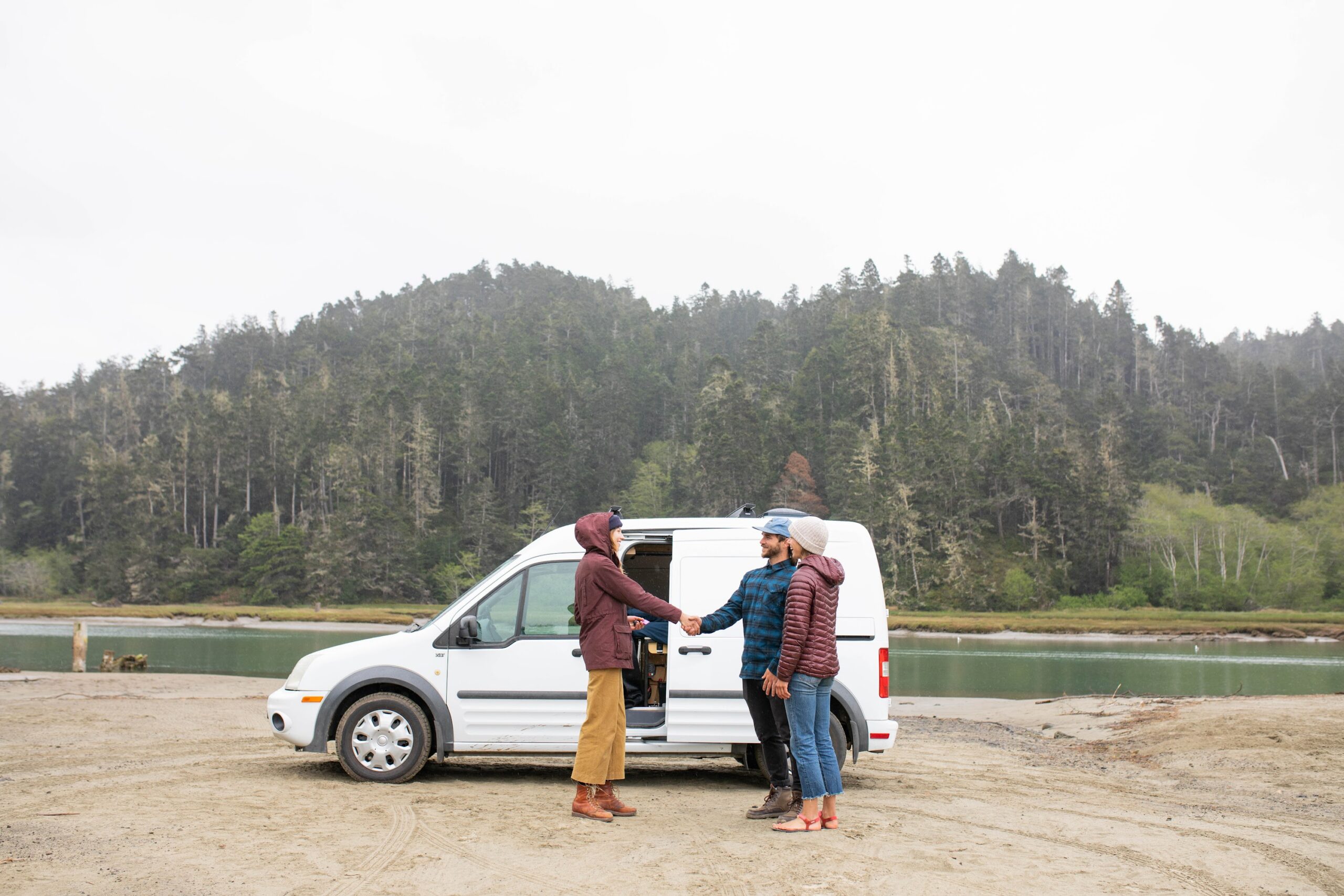
- Third-party delivery policy. Not every campground accepts a delivered RV rental. Call ahead with the host's name and the dates; get confirmation in writing if possible. Our RV rental delivery guide covers the cost and policy mechanics.
- Age requirements and rental-rig age. Some destination resorts apply a 10-year rule (RVs older than 10 years not accepted). Most Outdoorsy rentals are well within the threshold, but confirm if you're renting privately.
How far ahead do you need to book family RV campgrounds for summer?
For NPS campgrounds, six months ahead on the first of the month at 10 a.m. EST — that's the standard Recreation.gov release. For private family resorts (KOA Holiday, Jellystone), peak summer sites often open 12 months ahead and the prime weeks (Memorial Day, July 4, Labor Day) fill quickly.
Families we talk to are surprised how early summer sites fill — the good family loops are often gone six months out.
The release calendar you should mark:
- Recreation.gov NPS campgrounds. Six months ahead, 10 a.m. EST, 1st of the month. For a July 4 arrival, that's January 4. For a Labor Day arrival, that's March 1.
- Private family resorts. Often 12 months ahead. Some open even earlier for holiday weeks. Set a calendar reminder for the exact one-year-before date for any park you care about.
- State park campgrounds. Vary widely. Vermont, NH, Maine, and California state parks often use a 6- or 11-month window; some are 7 days for specific sites.
- Same-day availability. Cancellations do open up. Set a Recreation.gov alert for the dates and campgrounds you want.
A few specifics worth knowing:
- Holiday weekends are the toughest: Memorial Day, Labor Day, and the July 4 week sell out first. Off-peak summer (mid-June, early August, Sunday–Thursday) is far easier.
- Length flexibility helps. Booking with a wider length range increases availability. If your rented rig is 32 ft, search "fits 28 ft+" not just "fits 32 ft."
- Two-campground stays open more options than a one-campground booking. Two three-night stays at adjacent resorts often beat a six-night stay at one.
Best Campground Amenities for Toddlers, Kids, and Teens
Choosing the right campground gets easier when you match the amenities to your kids’ age and stage. Toddlers ages 1 to 4 usually need a splash pad, a fenced playground near the site, and some indoor space for naps or quiet time. Preschoolers ages 4 to 6 still do well with water play and playgrounds, but they also enjoy shallow pools, craft activities, and mascot programs. School-age kids ages 6 to 12 tend to want more variety, such as a pool, jumping pillow, game room, ranger programs, and planned activities. Teens ages 12 to 17 usually care most about independence, so look for lake sports, pickleball, bike paths, lounge areas, and reliable Wi-Fi.
1. Toddlers ages 1 to 4
Toddlers do best at campgrounds that keep things simple, safe, and close by. A splash pad, a fenced playground, and indoor play areas can make the stay much easier for parents and more fun for little kids. Campgrounds like Jellystone and larger KOAs with toddler zones are often a strong fit for this age group.
2. Preschoolers ages 4 to 6
Preschoolers want a little more variety, but they still need easy access to kid-friendly amenities. Look for a shallow pool, craft hour, mascot programs, and a splash pad they can enjoy throughout the day. Jellystone and KOA Holiday properties are often well suited to this stage.
3. School-age kids ages 6 to 12
School-age kids usually want more to do and more chances to stay busy. Campgrounds with pools, jumping pillows, game rooms, ranger-led activities, and planned events tend to work best. KOA Holiday, resort-style campgrounds, and destination resorts are often the best match for this age range.
4. Teens ages 12 to 17
Teens are usually looking for more freedom and less structured programming. Campgrounds with lake sports, pickleball, bike paths, lounge areas, game rooms, and strong Wi-Fi are more likely to keep them interested. NPS lake campgrounds and full-hookup resorts tend to be better choices for older kids and teens.
Best campground types by age
The best campground type depends on what your kids actually use, not just how many amenities are listed. Younger kids usually do better at family-focused properties like Jellystone or larger KOAs with dedicated kid zones. Older kids and teens often prefer resorts or lake campgrounds where they have more room to explore and more activities that feel age-appropriate. Matching the campground to your kids’ age makes the trip smoother and usually means fewer complaints once you arrive.
The other dimension to consider: mixed-age families. With kids spread across two age bands, prioritize a campground where the older kids can roam (clear sight lines, safe paths) while the younger ones are tied to a smaller area. Door County, the Smokies gateway parks, and Cherry Hill Park (MD) all do this well.
For more on planning a summer family trip, planning a summer trip (sibling guide) covers the heat-and-crowds layer, and find a rental near these campgrounds is the practical browse.
Key takeaways
- Four rental-fit checks per campground: max length, hookups, booking window, delivery policy.
- Brand-resort networks (KOA Holiday/Resort, Jellystone) deliver structured programming.
- Most NPS campgrounds have no hookups; Schoodic Woods (Acadia) is a notable exception.
- Book NPS at 6 months ahead, 10 a.m. EST on the 1st; book private resorts at 12 months ahead.
- Match amenities to ages: splash pad for toddlers, planned activities for school-age, autonomy spaces for teens.
About this guide
This guide was prepared by the Outdoorsy editorial team. Campground amenity types, booking-window mechanics, and per-campground rental-fit specifics were verified on June 12, 2026 against primary sources: the Recreation.gov gateway pages for the NPS picks, individual KOA and Jellystone operator pages for amenity verification, and the NPS per-campground pages. Campground amenities and operating hours change — confirm before you book.