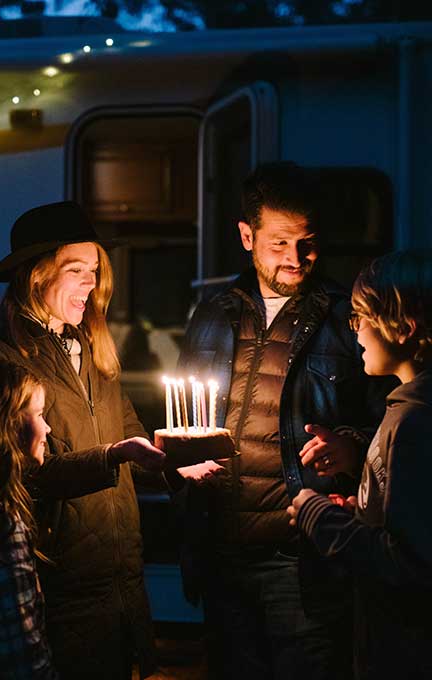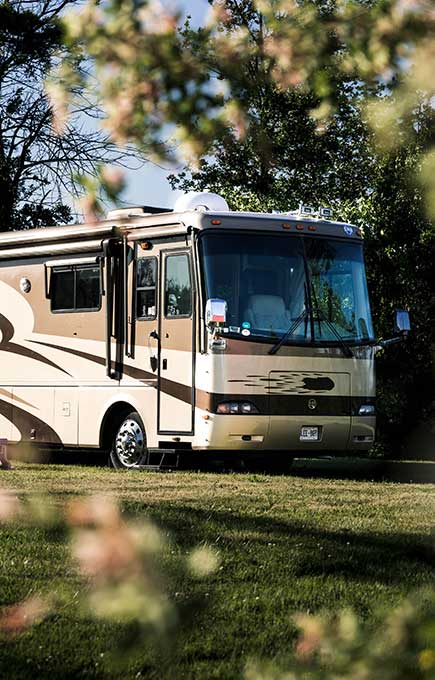

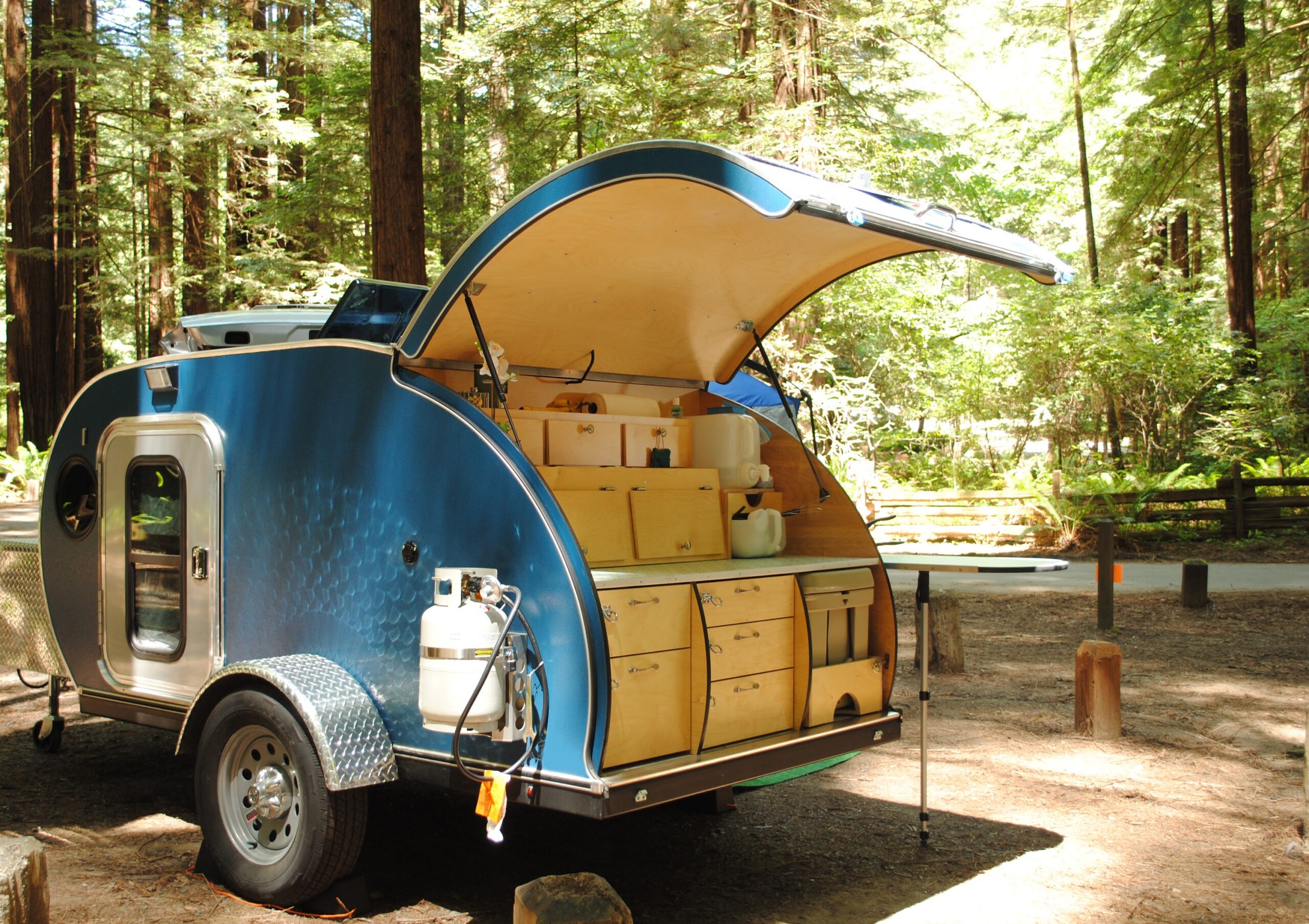
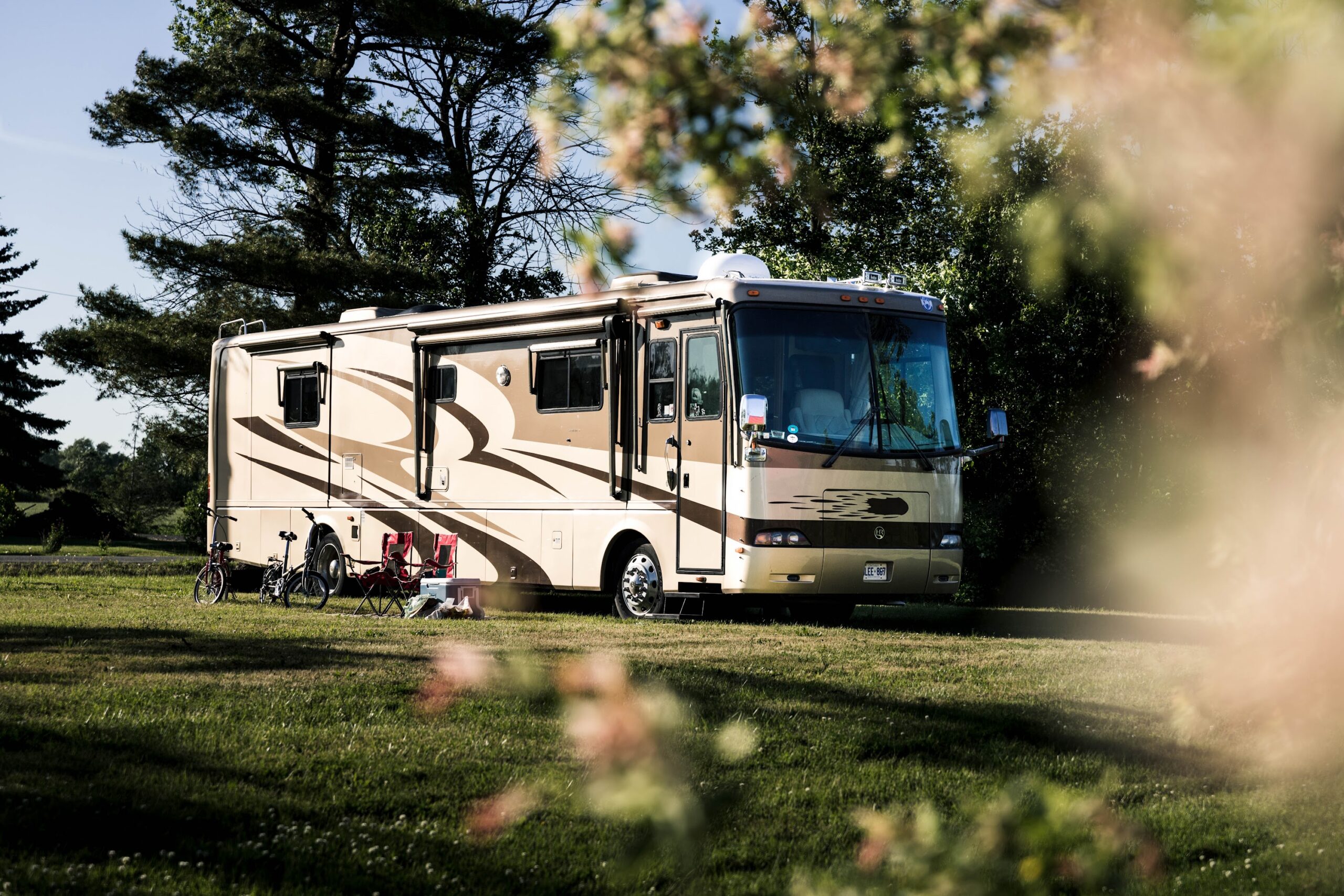
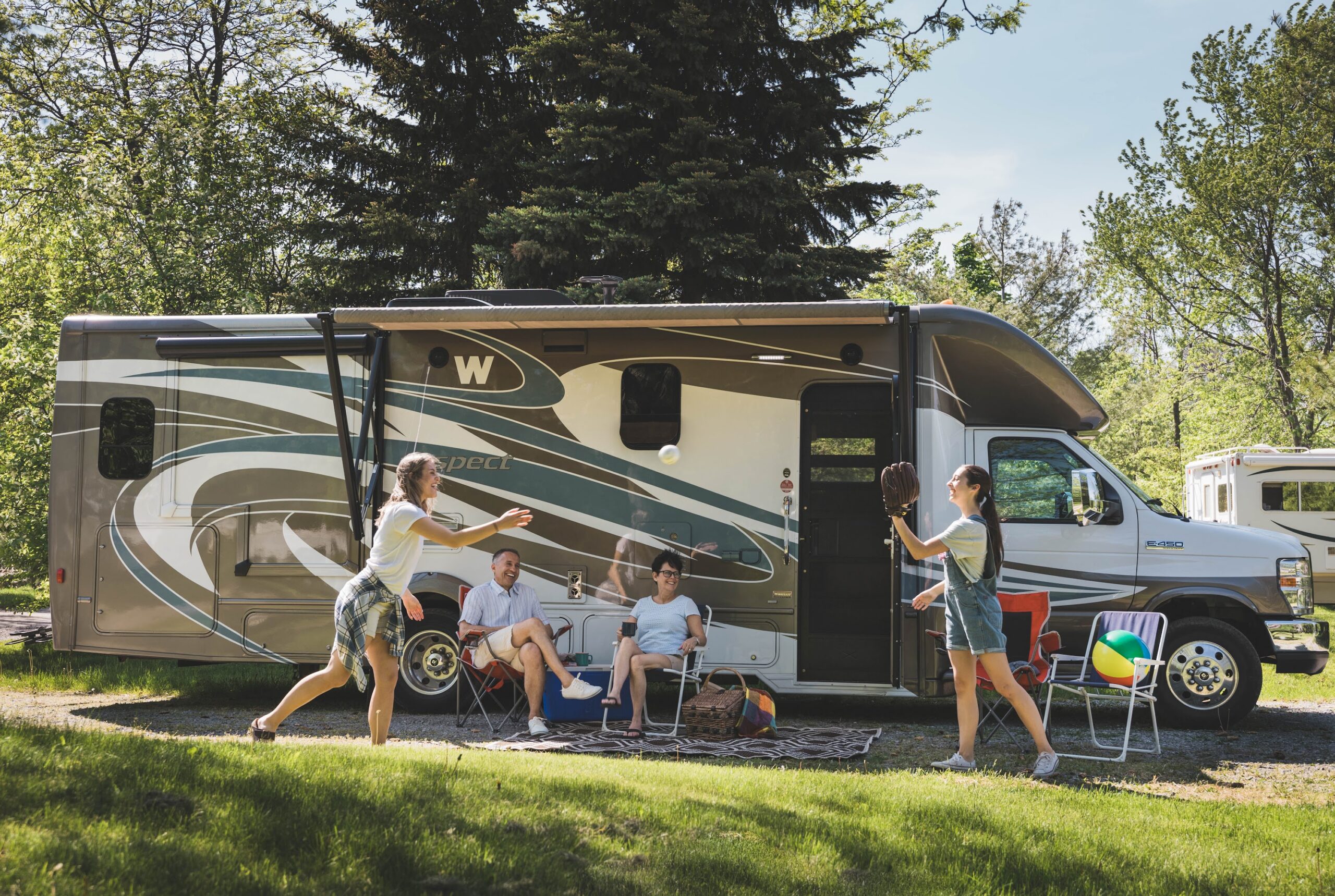
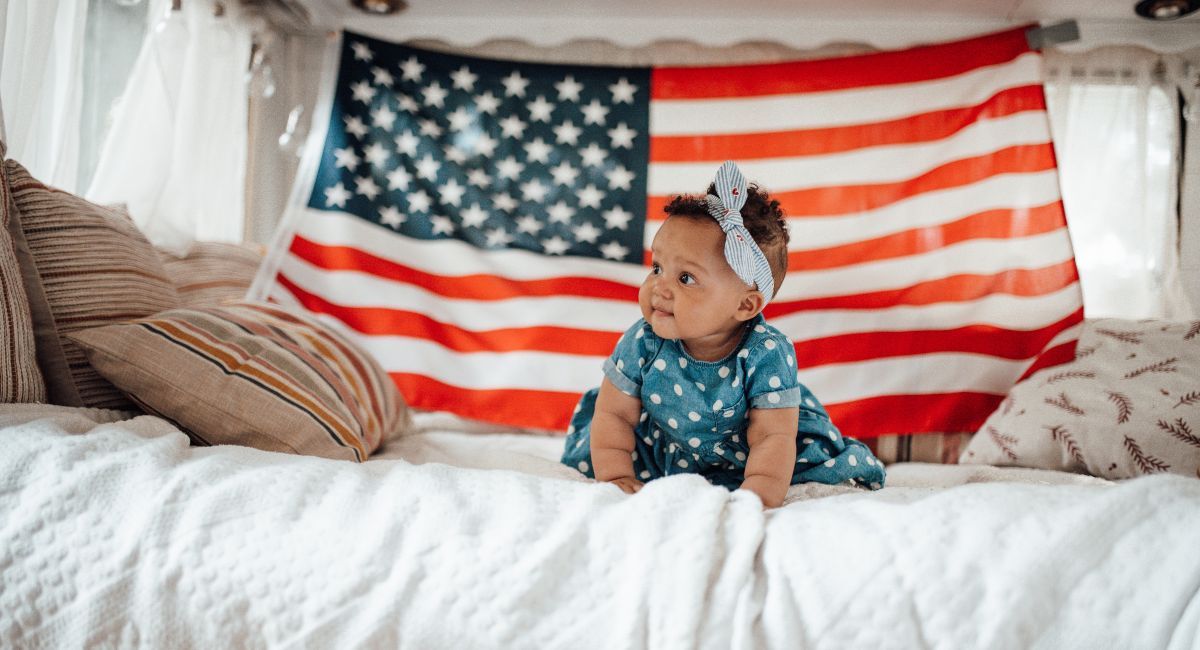
Camping with a toddler is easier in an RV than in a tent: you get a bathroom, a fridge for milk and snacks, and a dark, quiet spot for naps. The RV-specific questions are the ones that trip parents up — which seat can take a car seat, where a little one should sleep, and how to plan driving around naps. Everyone has questions before their first trip. This guide answers them so you can book with confidence.
What You Need to Know
- Yes, toddlers and babies can RV camp, and an RV makes naps and diaper changes much easier.
- Car seats go only in forward-facing vehicle seats, never on side-facing sofas, per the American Academy of Pediatrics, and never in front of an active air bag, per NHTSA.
- Ask the host for a seat belt map before you book.
- No child under 6 on a top bunk. Bring a play yard for babies and young toddlers.
- Drive in short legs timed around naps, and arrive in daylight.
Can you take a toddler or baby RV camping?
Yes. With some planning, babies and toddlers can RV camp. An RV gives you a bathroom, a kitchen, and a dark, climate-controlled space for naps — big advantages over a tent. The key is planning ahead for safe seating while driving, safe sleep at night, and a campsite your toddler can't wander away from.
The AAP's guidance on safe RV travel with children says parents should be just as safe with kids in an RV as they are in a car. If a motorhome doesn't have enough safe seats for everyone, the AAP suggests bringing a second vehicle or renting a tow-behind RV instead, so kids ride in the family car.
For more encouragement, read Think You Can't RV With Kids? Think Again.
Where does the car seat go in a motorhome?
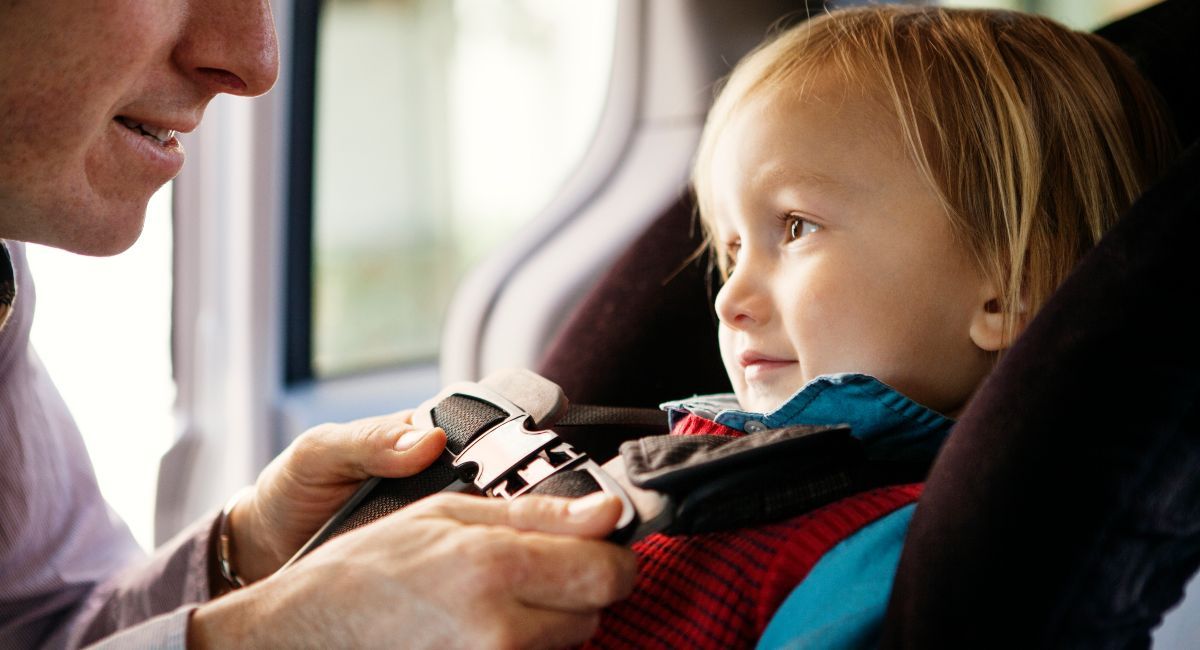
A car seat goes only in a forward-facing vehicle seat with a proper seat belt — never on a side-facing sofa or rear-facing bench. Look for a motorhome with lap-and-shoulder belts in its forward-facing seats, check the car seat manual for how it installs, and ask the host which seats qualify before you book.
A rear-facing car seat still faces the back of the RV, but it installs in a forward-facing vehicle seat. NHTSA's air bag guidance says "rear-facing car seats should not be placed in front of an active air bag" and "children under 13 should be seated in the back seat." In a motorhome, that rules out the cab passenger seat for a car seat, so look for a belted, forward-facing seat behind the cab.
The AAP says "Car seats and booster seats are only approved for use in a forward-facing vehicle seat," and recommends choosing an RV that meets Federal Motor Vehicle Safety Standard 208, which means lap-and-shoulder belts in all forward-facing seats. The same AAP page warns that "Type 1 belts (lap only) are not safe for children." The AAP's car seat guide adds that a lap belt can install some car seats with built-in harness straps but can never be used with a booster, so choose seats with lap-and-shoulder belts whenever you can and follow your car seat manual.
Parents we hear from are most surprised that RV sofas rarely work for car seats at all. Our guide to RV seat belt and car seat laws for kids covers state rules.
Motorhomes vs. towing a trailer
With a towable RV, your toddler rides in the family car in their usual car seat, which takes the guesswork out of seating. With a motorhome, everything depends on which seats have proper belts.
Questions to ask your host
Hosts tell us parents who ask about seat belts before booking have the smoothest pickups. Send these questions first:
- Which seats face forward and have lap-and-shoulder belts?
- Can you send a photo of the seat belts in those seats?
- Is there room to install a rear-facing seat?
- Is the dinette or sofa a forward-facing seat with a belt, or side-facing?
Once you have the RV, a certified child passenger safety technician can help. NHTSA says certified technicians will inspect your car seat free of charge in most cases, and Safe Kids explains that technicians will teach you how to install a car seat on your own.
Where should a toddler sleep in an RV?
The safest spot for a baby or young toddler is a play yard (pack 'n play) set up on the floor, with only its own mattress and a fitted sheet. Keep children under 6 off top bunks and high cab-over beds. Older toddlers can use a lower bed with a rail, or sleep near a parent.
Pack 'n play placement
The CPSC's safe-sleep rule is simple: "Bare is Best—nothing but a fitted sheet in a crib, bassinet or play yard." The AAP's safe sleep guide says play yards should meet federal safety standards and that a baby who falls asleep in a car seat should be moved "to a firm sleep surface on their back as soon as possible." The CPSC also says to "use only the mattress provided with your play yard" and to never add padding or stack mattresses. Set the play yard on the RV floor, not on a dinette cushion or bed, where it can sit unevenly.
In our experience, the pack 'n play earns its floor space on night one. Measure the floor area in your rental — or ask the host — before you go.
Bunk rails and cab-overs
The AAP says "Do not allow a child younger than 6 years to sleep in the top bunk," and recommends a top-bunk guardrail with a gap no wider than 3½ inches plus a night-light so kids can see the ladder. We suggest the same age rule for a Class C's cab-over bed, which sits high above the floor.
How do you plan drive days around naps?
Plan short driving legs and time the longest one for nap time, so your toddler sleeps while you cover miles. Stop for breaks before everyone gets cranky, and aim to reach camp with daylight to spare. When you arrive, move a sleeping baby from the car seat to a flat sleep surface.
RVers we talk to say leaving at nap time covers more miles with fewer meltdowns. A simple drive-day rhythm:
- Morning: play time at camp, then pack up.
- Nap time: your main driving leg.
- Afternoon: stop at a playground or park, then a short final leg.
- Arrival: reach camp by mid-afternoon for setup and dinner.
Many RVers use the 3-3-3 rule — drive fewer than 300 miles a day, stay at least three nights, and arrive by 3 p.m. With a toddler, shorter is even better. For more family routines, see our 10 tips for camping with kids.
How do you toddler-proof an RV campsite?
Watch the RV steps and door, keep a safety zone around the campfire, and stay within arm's reach near any water. Use sun protection, check for ticks every evening, and keep food stored away from wildlife. A quick walk-around of the site when you arrive catches most hazards. We've watched plenty of parents do that walk-around with a toddler on their hip — it doubles as a tour of the new "house."
Steps and doors
RV entry steps are steep for little legs, and screen doors can swing open. Keep the main door latched and consider a portable baby gate across the entry.
Campfire
The Texas State Fire Marshal recommends setting up a safety zone of about three feet around a campfire, marking it with rocks before you light the fire, and letting only adults start it.
Water
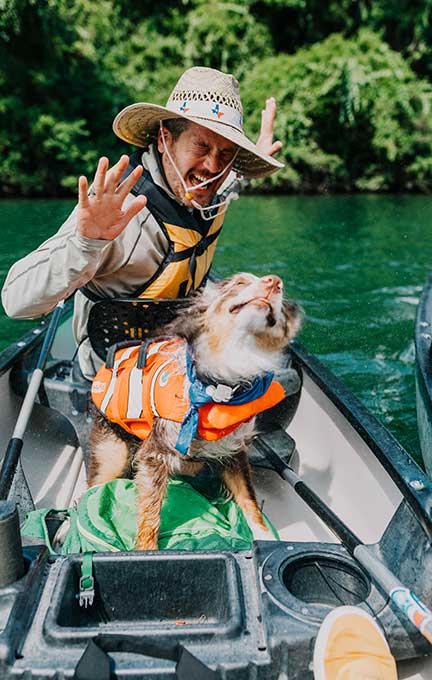
The AAP warns that "Drowning is the leading cause of death in children 1-4," and recommends staying within arm's length and having kids wear a U.S. Coast Guard–approved life jacket near lakes and rivers.
Sun and heat
The AAP's sun safety guidance says to keep babies under 6 months out of direct sun and to use broad-spectrum sunscreen of at least SPF 15 for older kids.
Ticks and bugs
The CDC recommends checking for ticks after being outdoors, including kids' hair, ears, and behind the knees, and notes that EPA-registered insect repellents are safe and effective when used as directed. The CDC also says, "Do not use products containing OLE or PMD on children under 3 years old," so read the label before you spray a toddler.
What should you pack for camping with a toddler?
Pack for sleep, feeding, diapering, play, and safety. The essentials are a play yard and fitted sheet, the car seat, plenty of diapers and wipes, familiar snacks, a few favorite toys, a life jacket, sun protection, insect repellent, and a night-light. Bring more clothes than you think you'll need.
- Sleep: play yard, fitted sheet, sleep sack, white noise machine, blackout clips, night-light.
- Feeding: high chair or booster seat, sippy cups, bibs, familiar snacks, dish soap.
- Diapering and potty: diapers, wipes, changing pad, trash bags, potty seat if training.
- Play: bubbles, sand toys, picture books, a small ball, rain boots.
- Safety: car seat, U.S. Coast Guard–approved life jacket, sunscreen, hats, insect repellent, first-aid kit, portable baby gate.
- Hiking: a carrier for trail time — our guide to hiking carriers can help you choose.
Ready for your first family RV trip? Browse RV rentals near you and ask hosts about seat belts before you book. Find what moves you.
About this guide
This guide was researched and written by the Outdoorsy editorial team. Our information draws on the American Academy of Pediatrics' HealthyChildren.org, the National Highway Traffic Safety Administration, Safe Kids Worldwide, the U.S. Consumer Product Safety Commission, the CDC, the Texas State Fire Marshal, and conversations with Outdoorsy hosts and renters who travel with young kids. We have no commercial relationship with the businesses mentioned unless explicitly noted. This guide is general information, not medical or legal advice.