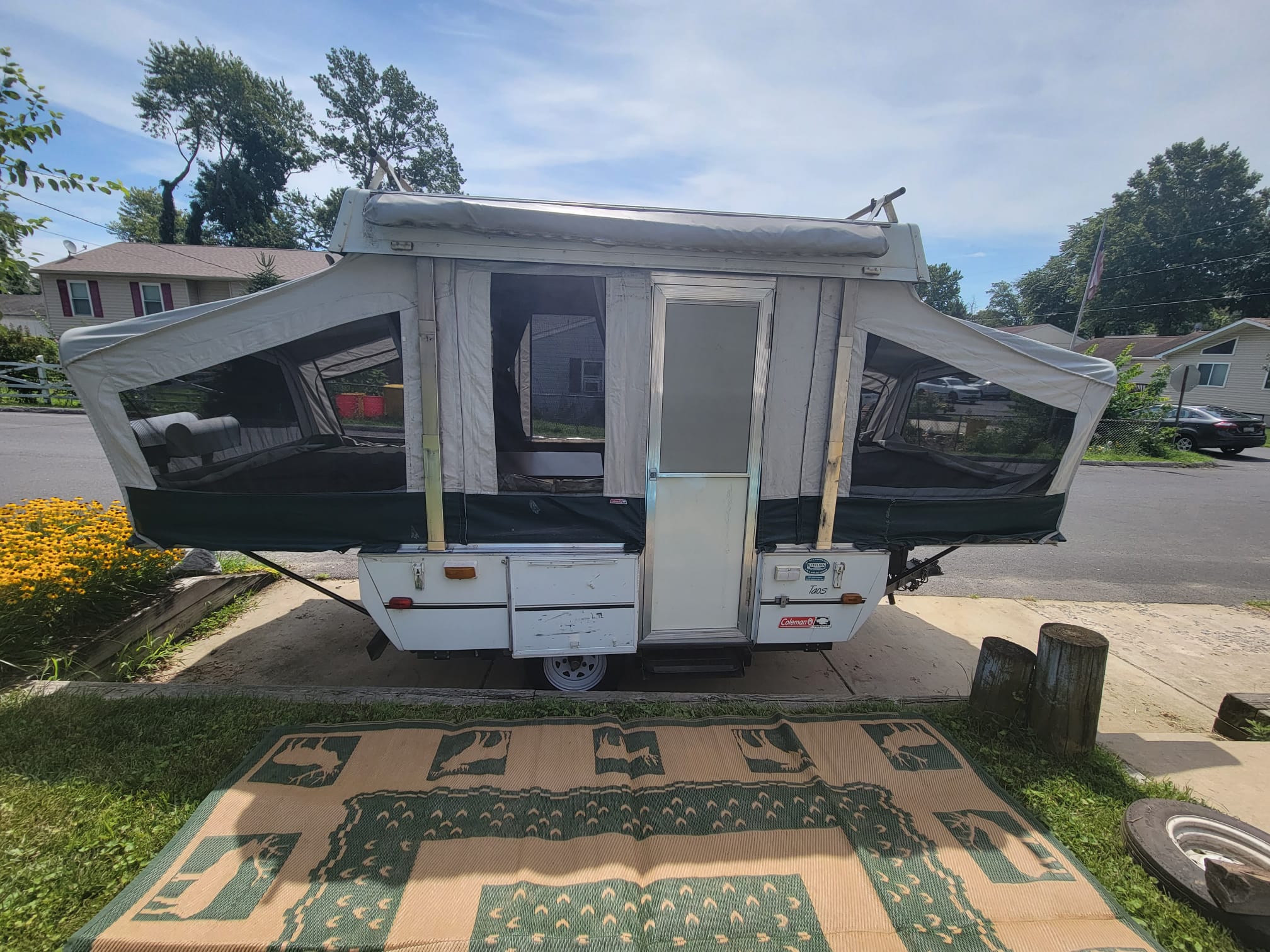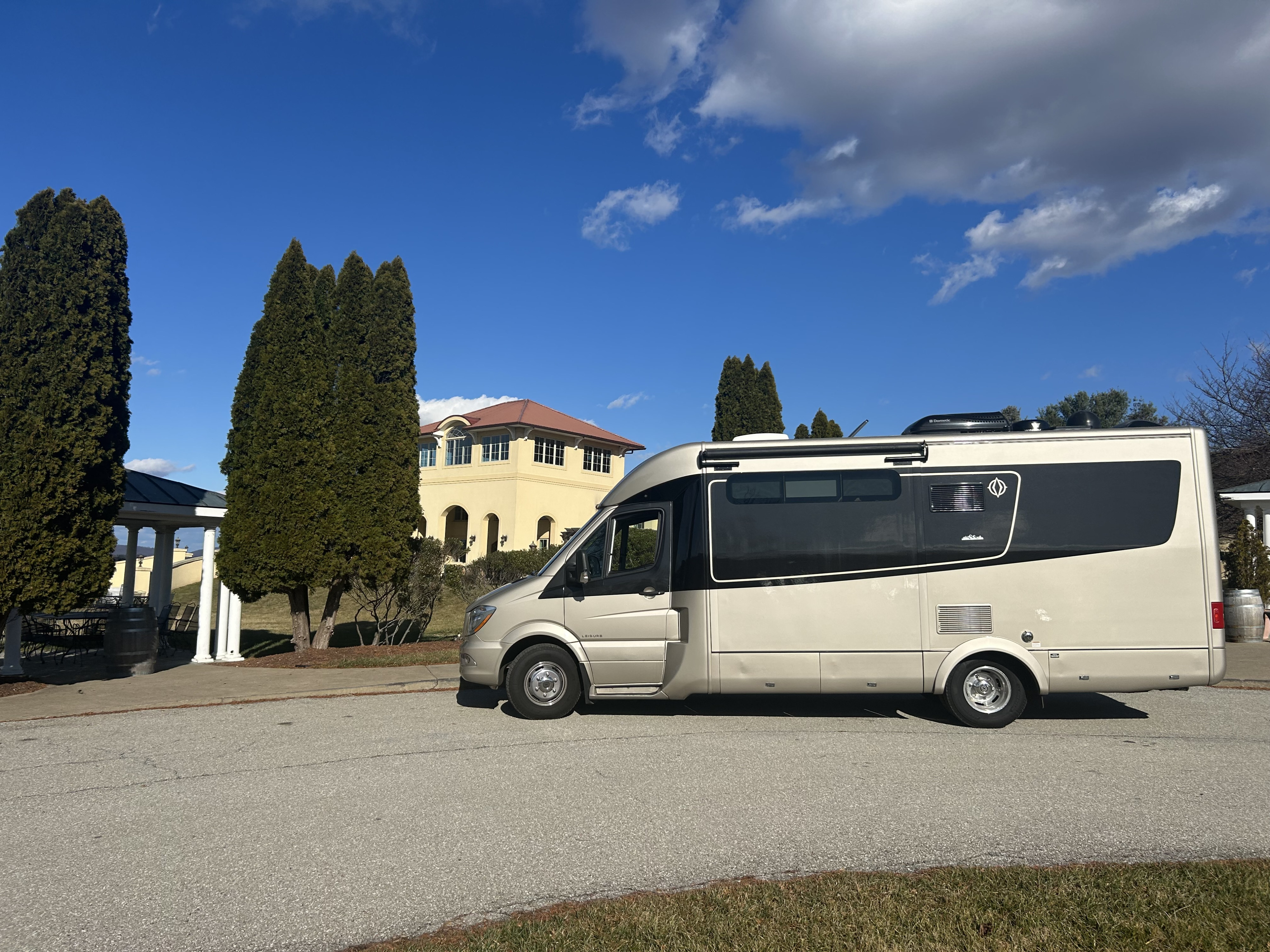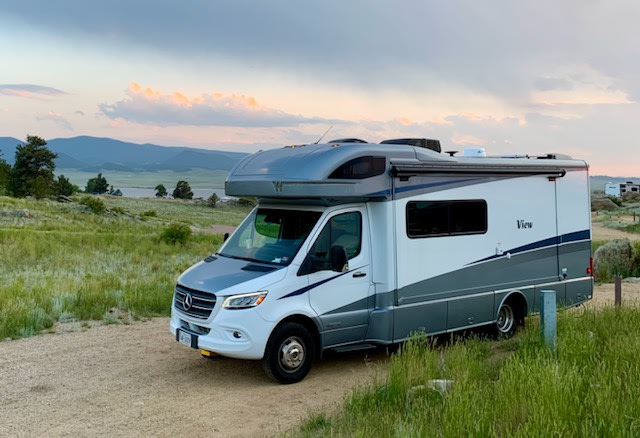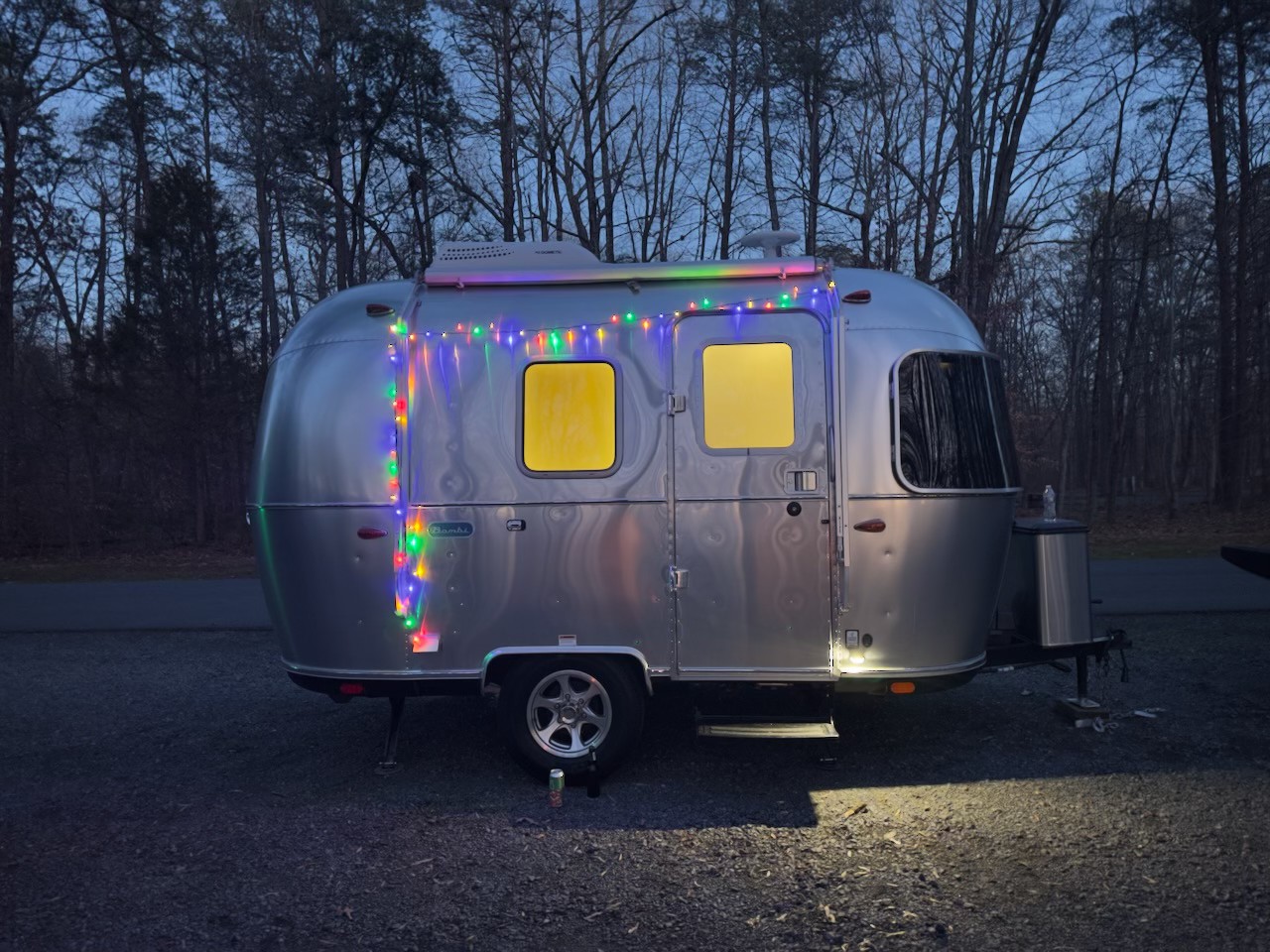

A Florida road trip by RV can take you from the turquoise water of the Keys to the white-sand beaches of the Panhandle in about 800 miles. Driving straight through takes roughly 15 hours, but the real trip is the campgrounds along the way — and the best ones book up months in advance. This guide lays out an RV route from Key West to Pensacola, where to camp, how Florida's state park booking windows work, and when to go.
At a Glance
- Distance: Key West to Pensacola is about 813 miles by road; plan 10 to 14 days for the full route.
- Book early: Florida residents can reserve state park campsites 11 months ahead, and non-residents 10 months ahead.
- Timing: hurricane season runs June 1 to November 30, peaking in September.
- Rig size matters: some Keys and Gulf Coast campsites cap RV length at 23 feet or less.
- Panhandle alert: as of October 20, 2026, Topsail Hill Preserve State Park is closed after Hurricane Isaias.
What's the best Florida road trip route for an RV?
The best Florida RV route starts in the Keys, heads north through the Everglades, runs up the Gulf Coast past Tampa, and finishes on the Panhandle's Emerald Coast near Pensacola. It covers about 813 miles and mixes island highways, national park camping, and quiet Gulf beaches.
A mapping estimate puts Key West to Pensacola at 812.8 miles, or about 14 hours 44 minutes by car. In an RV, plan for longer — our estimates below add time for slower speeds and fuel stops.
- Key West → Everglades (Flamingo) — RV drive time (our estimate): 4–5 hours; Key stops: Bahia Honda, Seven Mile Bridge, Key Largo.
- Everglades → Tampa Bay — RV drive time (our estimate): 5–6 hours; Key stops: Naples, Myakka River State Park.
- Tampa Bay → Panama City Beach — RV drive time (our estimate): 6–7 hours; Key stops: Fort De Soto, Big Bend coast.
- Panama City Beach → Pensacola — RV drive time (our estimate): 2–3 hours; Key stops: St. Andrews, Grayton Beach, Emerald Coast.
Drive times are our planning estimates without stops; check your route in a mapping app before you go.
Start the trip with RV rentals in Miami or RV rentals in Key West, and end with RV rentals in Pensacola if you'd rather do one leg.
How many days do you need for a Florida RV road trip?
Plan 10 to 14 days to drive Florida from the Keys to the Panhandle by RV, with two or three nights in each region. If you only have a week, pick one or two regions — the Keys and Everglades, or the Gulf Coast and Panhandle — and skip the long middle stretch.
A sample two-week plan:
- Days 1–4: Florida Keys, based at Bahia Honda or Key Largo.
- Days 5–6: Everglades National Park at Flamingo.
- Days 7–9: Gulf Coast — Myakka River and Fort De Soto.
- Days 10–14: Panhandle — St. Andrews and Grayton Beach.
In our experience, the Panhandle is where Florida road-trippers find room to breathe. The beaches are wide, the towns are smaller, and the crowds of South Florida thin out.
Where to RV camp on a Florida road trip
Florida's best RV camping is in its state parks, plus Everglades National Park and a few standout county parks. Many sites include water and electric hookups, and some Panhandle parks add sewer. Check maximum RV length for each campground, since several sites in the Keys and on the Gulf Coast are limited to smaller rigs.
- Bahia Honda State Park (Buttonwood) (Keys) — Hookups: Water, electric; Max RV length / note: Large RVs in Buttonwood; Sandspur 23 ft.
- Flamingo Campground (T-loop) (Everglades) — Hookups: Electric only; Max RV length / note: No water or sewer hookups.
- Myakka River State Park (Gulf Coast) — Hookups: Water, electric; Max RV length / note: 90 sites across three campgrounds.
- Fort De Soto (county park) (Gulf Coast) — Hookups: Water, electric; Max RV length / note: Sites 86–236 fit all units.
- St. Andrews State Park (Panhandle) — Hookups: Full hookups; Max RV length / note: RVs up to 50 ft.
- Grayton Beach State Park (Panhandle) — Hookups: Full hookups; Max RV length / note: 40 ft max.
- Topsail Hill Preserve State Park (Panhandle) — Hookups: Full hookups; Max RV length / note: 45 ft max — closed as of Oct 20, 2026.
Florida Keys
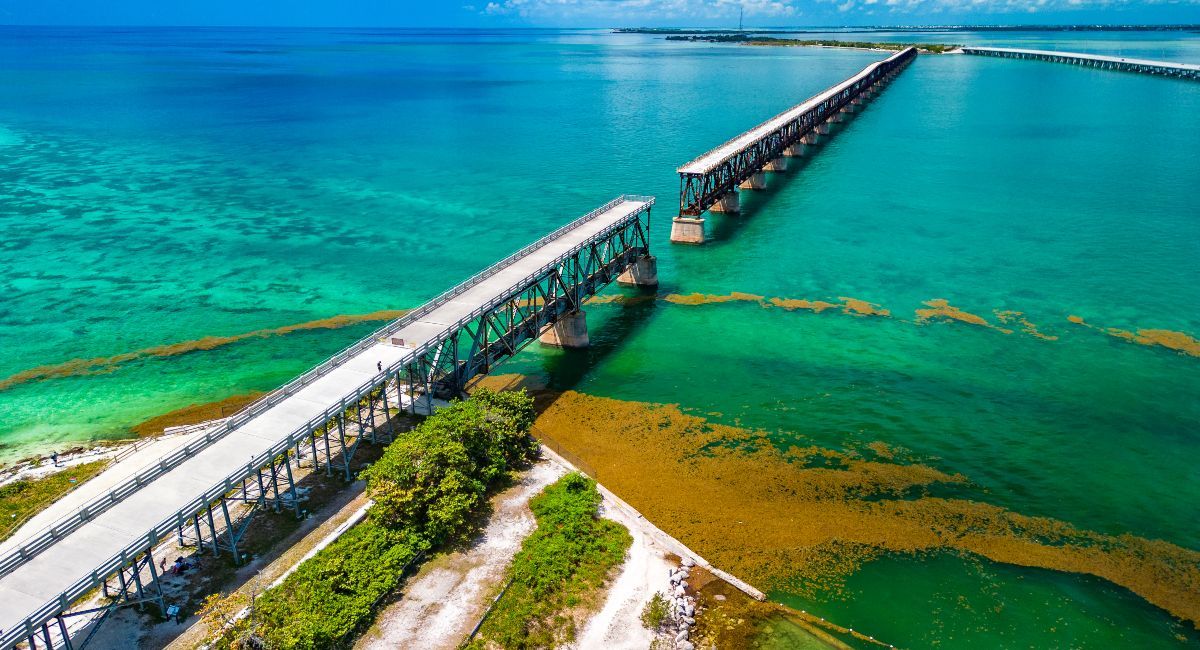
Bahia Honda State Park has three campgrounds, and its Buttonwood Campground fits "a variety of camping rigs from large RVs to small tents." The Sandspur loop caps rigs at 23 feet, and the Bayside loop sits under a bridge with "LOW OVERHEAD CLEARANCE of only 6 feet 8 inches" — too low for almost any RV. Don't plan on Long Key State Park: its campsites are hike-in and tent-only. For more Keys planning, see our guide to RVing to the Florida Keys.
RVers we talk to who finally land a Bahia Honda site all say the same thing: book the morning the window opens.
Everglades
Flamingo Campground sits at the southern tip of Everglades National Park. The NPS added electric hookups to 41 sites in the T-loop, and the park's concessioner notes that T-loop sites have no water or sewer hookups and the campground is open year-round. Read our Everglades National Park RV guide before you go.
Gulf Coast
Myakka River State Park near Sarasota has three campgrounds with 90 sites, each with water and 20/30/50-amp electric. Farther north, Fort De Soto is run by Pinellas County rather than the state. Its camping rules say "All sites have water and electrical hook-up (30-50 amp service)," with sites 86 through 236 sized for all camping units and a 14-night limit in any 30 days. Pick up a rig with RV rentals in Tampa.
Panhandle
St. Andrews State Park near Panama City Beach offers full hookups for RVs up to 50 feet, though construction continues on part of the campground. Grayton Beach State Park has 59 full-hookup sites with a 40-foot maximum. Topsail Hill Preserve normally offers 156 full-hookup RV sites, but the state's park closures page lists it closed after Hurricane Isaias, and the NPS closed Gulf Islands National Seashore near Pensacola ahead of the storm in October 2026. Check park pages before you book.
How do you book Florida state park campsites?
Book Florida state park campsites online or by phone as soon as the booking window opens: up to 11 months in advance for Florida residents and up to 10 months for non-residents. Popular parks like Bahia Honda fill fast, so have your dates and backups ready on day one.
The Florida State Parks reservation rules also cover stay limits and fees:
- Stay limit: during high demand, stays max out at 14 nights, and you must leave for at least three nights before returning.
- Reservation fee: a nonrefundable $6.70 per reservation, not per night.
- Utility fee: new RV reservations are assessed a $7 nightly utility fee.
- Cancellation fee: $17.75 per canceled reservation.
County parks set their own rules. Fort De Soto takes reservations up to six months ahead, or seven months for Pinellas County residents. For more park ideas, see our list of the best state parks in Florida.
When is the best time for a Florida RV road trip?
Late fall and spring usually offer the best balance of weather and campsite availability for a Florida RV road trip. Winter is peak season, especially in the Keys, so book early. Summer brings heat, afternoon storms, and hurricane season, which runs June 1 to November 30 and peaks in September.
The National Hurricane Center says the peak of the Atlantic hurricane season is September 10, "with most activity occurring between mid-August and mid-October." If you travel then, watch forecasts closely and have a backup plan — this year's Panhandle closures are a good reminder.
Then there are the lovebugs. UF/IFAS Extension says they form large swarms in May and September, and leaving them on a vehicle too long can damage paint or clog a radiator. We've watched lovebug season catch first-timers off guard — wash the front of the RV often, and your host will thank you.
RV tips for the Overseas Highway and Florida cities
The Overseas Highway runs 113 miles from Key Largo to Key West across 42 bridges, with mile markers on small green signs. Drive it in daylight, take your time on long bridges, and plan where you'll park before reaching busy towns like Key West.
The Florida Keys tourism office describes the Overseas Highway as "the southernmost leg of U.S. Highway 1," including the Seven Mile Bridge at Marathon. A few tips:
- Wind on long bridges: slow down and keep both hands on the wheel in a tall rig.
- Key West parking: Old Town streets are tight. Hosts tell us renters have the best time when they camp outside town and ride a bike or shuttle in.
- Fuel: top off before long stretches of the Keys and the Big Bend coast, where stations are farther apart.
- City driving: avoid rush hour around Miami and Tampa, and use campground delivery if your host offers it.
Ready to drive the Sunshine State? Browse RV rentals near you and start planning your Keys-to-Panhandle adventure. Find what moves you.
About this guide
This guide was researched and written by the Outdoorsy editorial team. Our information draws on Florida State Parks reservation and park pages, Pinellas County camping rules, National Park Service and Flamingo concessioner information for Everglades National Park, NOAA's National Hurricane Center, UF/IFAS Extension, the Florida Keys tourism office, and conversations with Outdoorsy hosts and renters. We have no commercial relationship with the businesses mentioned unless explicitly noted. Panhandle closures are as of October 20, 2026.