
TL;DR: Finding Your Perfect Match on Wheels
Choosing your first RV isn’t about picking the biggest or fanciest rig—it’s about finding the right balance between comfort and confidence. For most first-time renters, Class B camper vans and Class C motorhomes hit the sweet spot because they’re easier to drive and easier to manage. While Class A motorhomes bring serious luxury, they also come with a steeper learning curve that can distract from actually enjoying the trip.
What’s the best RV size for beginners?
For beginners, the ideal RV length usually falls between 20 and 25 feet. Rigs in this range fit into most campsites, feel less intimidating on the road, and make everyday things—like fueling up or parking—much simpler. Smaller RVs let you focus on the adventure instead of constantly second-guessing your turns or clearance height.
Deep Dive:
When deciding on size, think less about “how much space sounds nice” and more about how comfortable you want to feel behind the wheel.
- The “Sweet Spot”: RVs under 25 feet rarely require special routing for low bridges, tight turns, or awkward gas stations.
- Capacity vs. Size: More square footage also means more systems to manage. Bigger isn’t bad—it’s just more to keep track of, especially on your first trip.
- Campsite Availability: Many national and state parks have length restrictions. Staying under 25 feet gives you far more flexibility when booking campsites.
Should I rent a Class A, B, or C?
The right class mostly comes down to how many people you’re traveling with—and how comfortable you want to feel driving. Class B vans are great for solo travelers or couples, Class C motorhomes are a go-to for families thanks to their layout, and Class A rigs are best for travelers who prioritize space and amenities over ease of driving. For most first-timers, Class C offers the best balance.
Deep Dive:
Each RV class has its own personality—and its own learning curve.
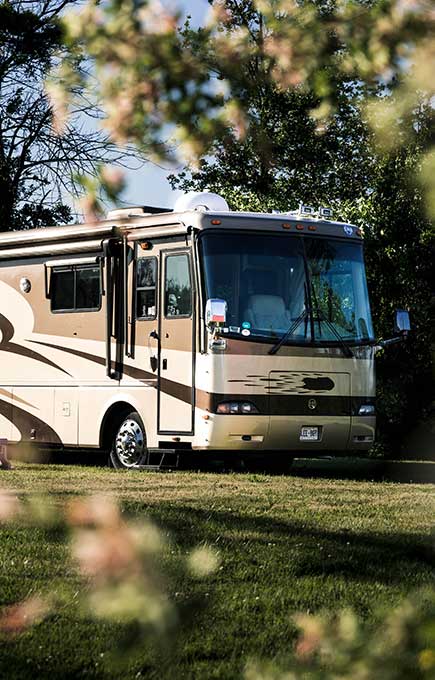
- Class A (The Bus): Spacious, comfortable, and packed with amenities. But the flat-front design and sheer size can feel disorienting if you’ve never driven something this big before.
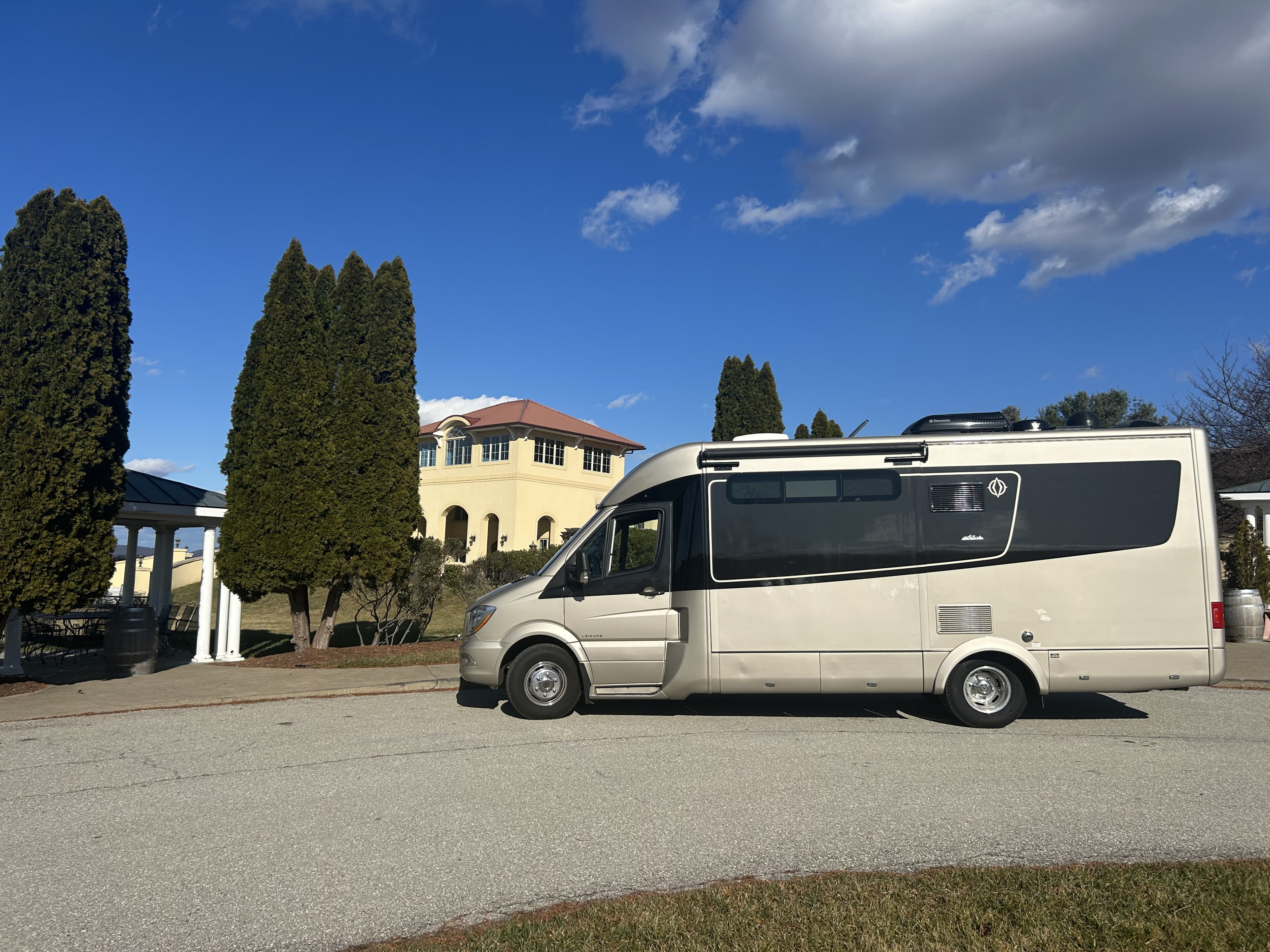
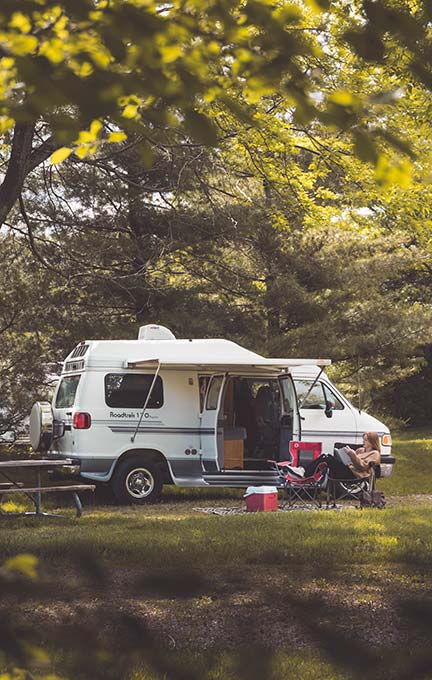
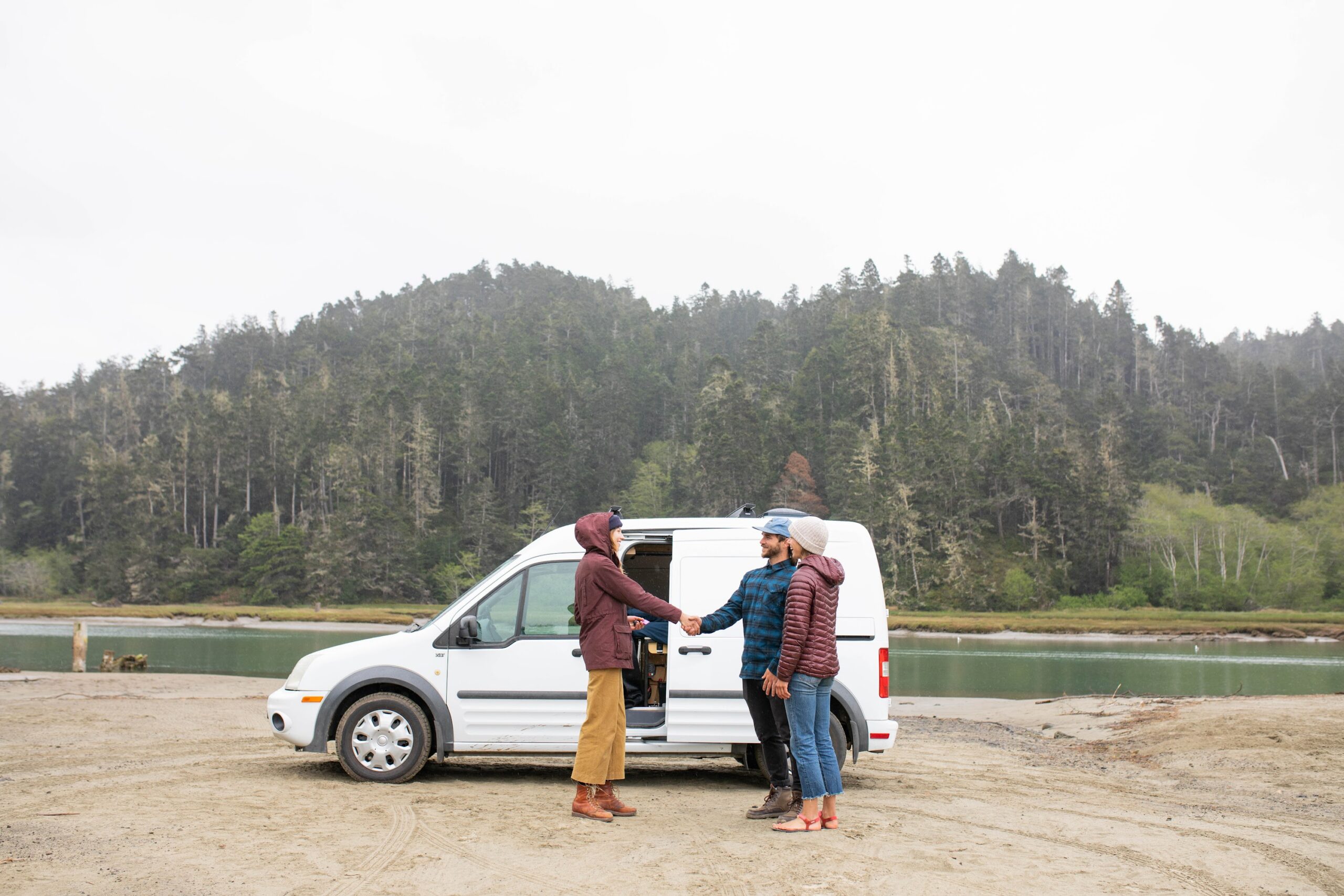
- Class B (The Van): Built on a standard van chassis, these are nimble, efficient, and easy to drive. Storage is limited, so packing light (and soft-sided) is key.
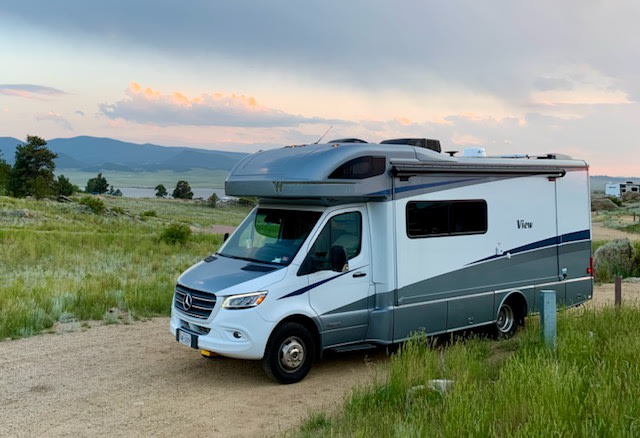
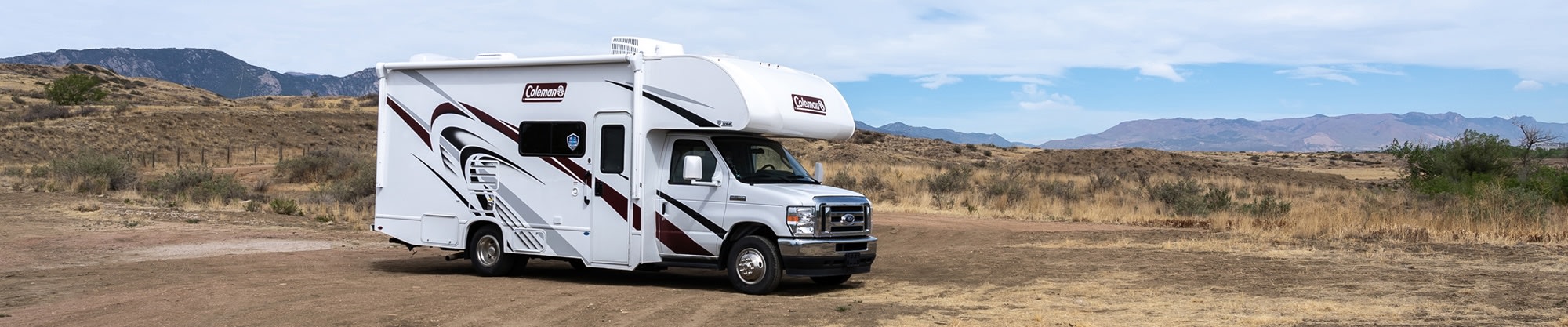
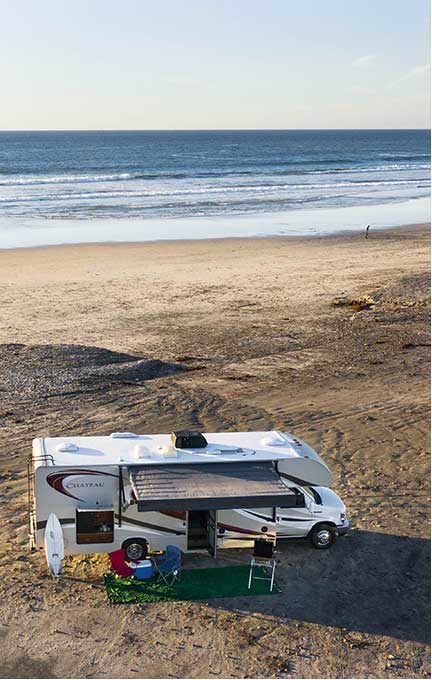
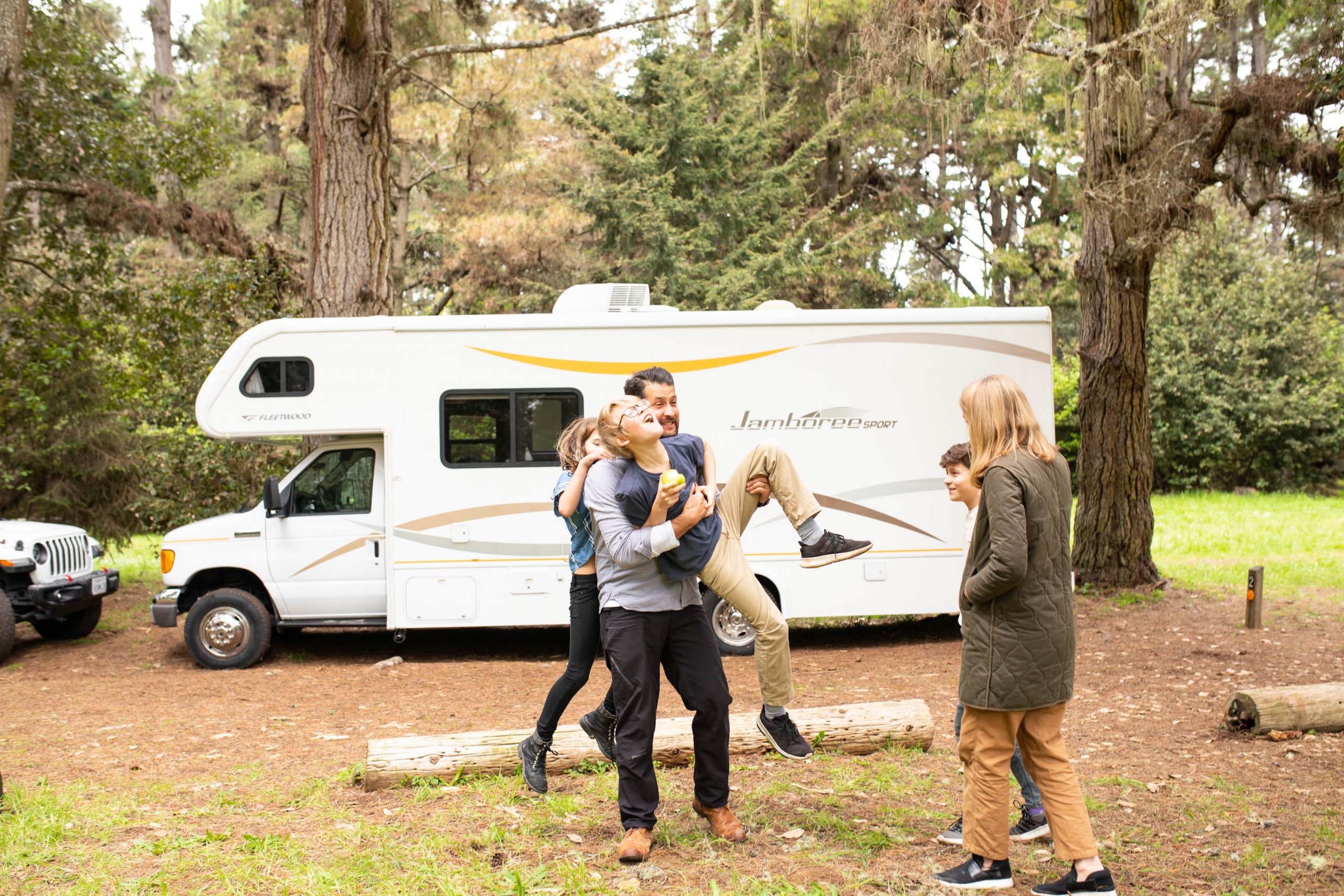
- Class C (The Classic): Identified by the bed over the cab, these rigs drive more like a truck and offer a familiar cockpit with enough space for families, kitchens, and bathrooms.
Which is easiest to drive?
Class B camper vans are the easiest RVs to drive, hands down. They handle much like a large SUV or delivery van, making turns, parking, and lane changes far less stressful. If you need more space, a Class C is the next easiest option thanks to its truck-based design and familiar driving feel.
Deep Dive:
Reducing driving stress is one of the biggest ways to ensure a great first RV trip.
- Familiar Cockpits: Class B and C RVs feel immediately recognizable behind the wheel, which shortens the learning curve.
- Parking and Reversing: Smaller rigs are easier to back into campsites and less likely to clip branches, posts, or utility hookups.
- Crosswinds and Stability: Class B vans handle wind better than taller, boxier Class A rigs, which can feel unsettled in strong gusts.
Frequently Asked Questions (FAQs)
Do I need a special license for a Class A motorhome?
In most cases, no. A standard driver’s license is typically sufficient for renting any RV class, as long as you pass driver verification. All additional drivers must also be verified to remain covered.
How much height clearance does each class need?
Class B vans usually need 9–10 feet, Class C motorhomes around 11–12 feet, and Class A rigs can require 13 feet or more. Always confirm the exact height of your specific rental before heading out.
Which RV class is best for “boondocking”?
Class B vans are often favored for boondocking because their size allows access to more remote locations. Regardless of class, you’ll rely on onboard water and battery systems when camping without hookups.
Are all RV classes pet-friendly?
Pet policies vary by host, not by RV class. Many Outdoorsy hosts welcome pets, though rules, deposits, and cleaning fees may apply.
What happens if I have a mechanical issue with a specific rig?
No matter which class you rent, Outdoorsy protection packages include 24/7 roadside and technical assistance through Coach-Net, covering everything from breakdowns to RV system issues.