


The nightly rental rate for an RV vs. a hotel is the number everyone budgets around, and it's the one that misleads people most. It's usually well under half of what a real RV trip costs once fuel, campgrounds, marketplace fees, and a security deposit stack on top.
This guide builds the real cost stack using our own posted rates and fee structure, then walks through where an RV trip's value actually shows up against the cost of flying and staying in hotels.
The short version:
- The nightly rental rate is only part of the total cost. Fuel, campgrounds, the marketplace service fee, and a security deposit all add on top.
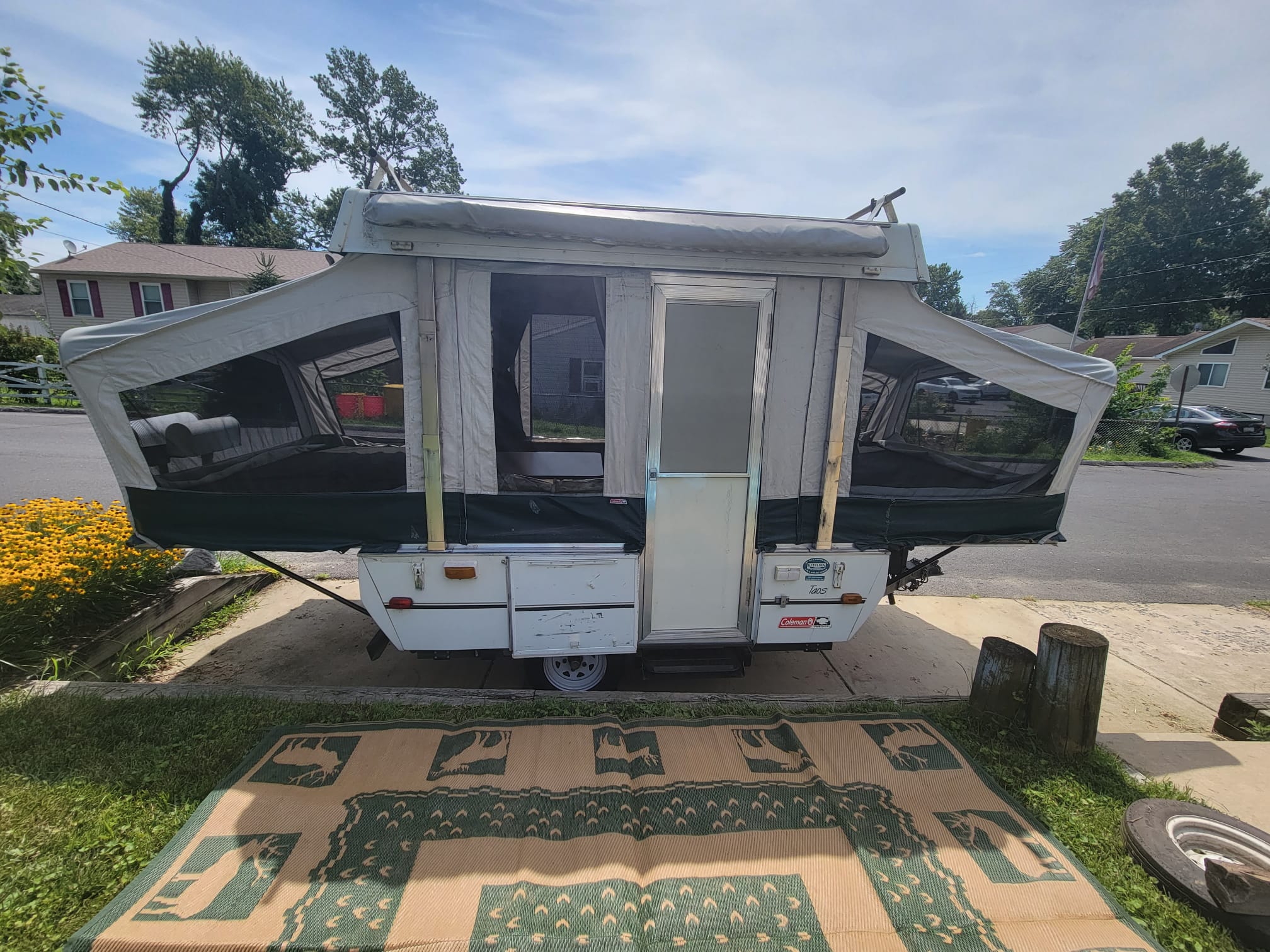
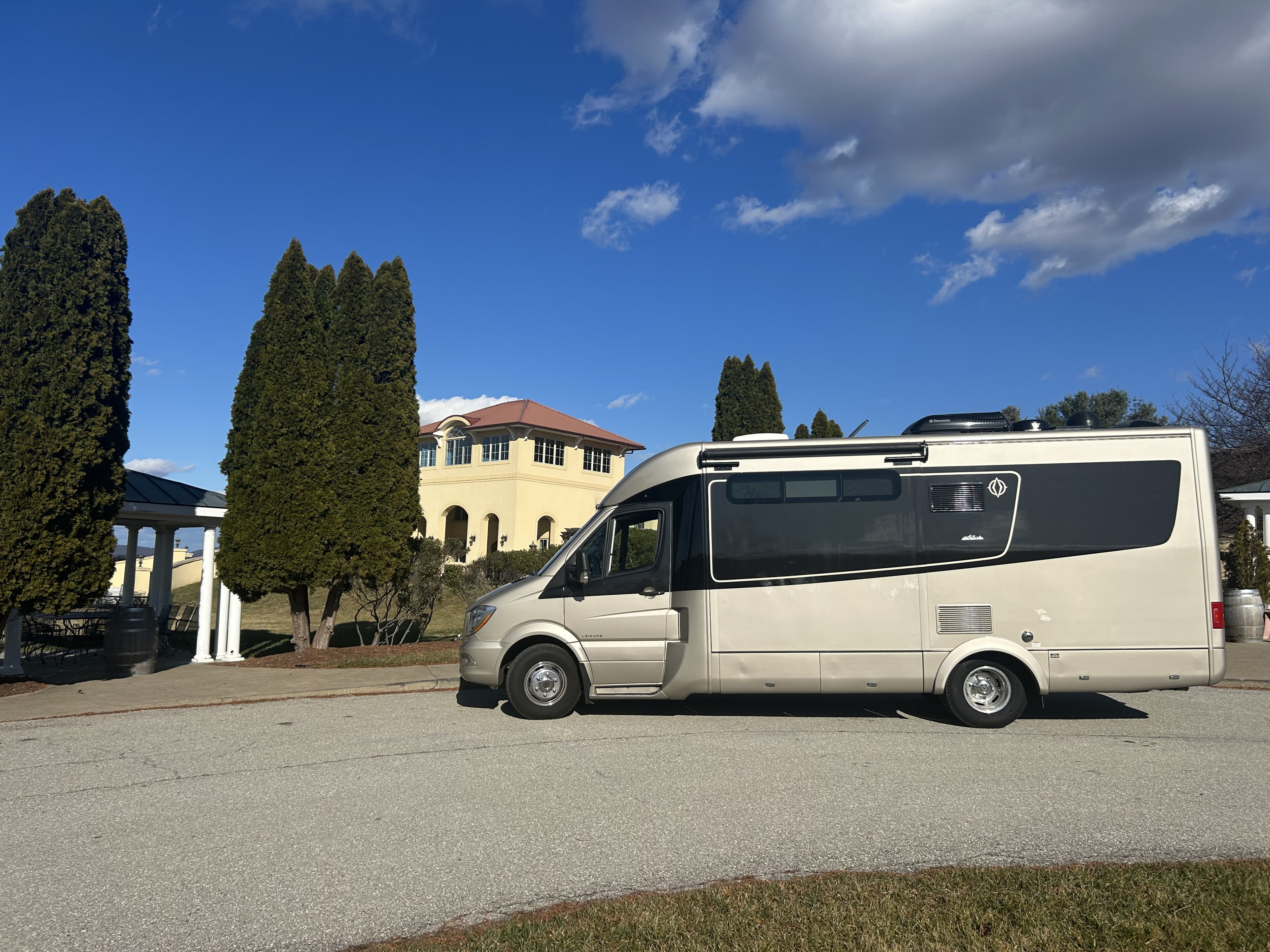
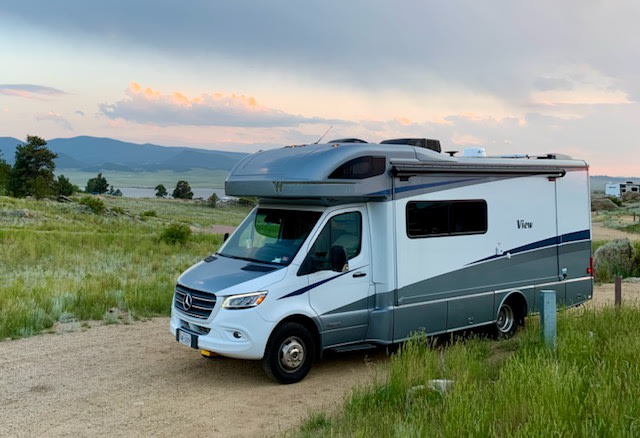
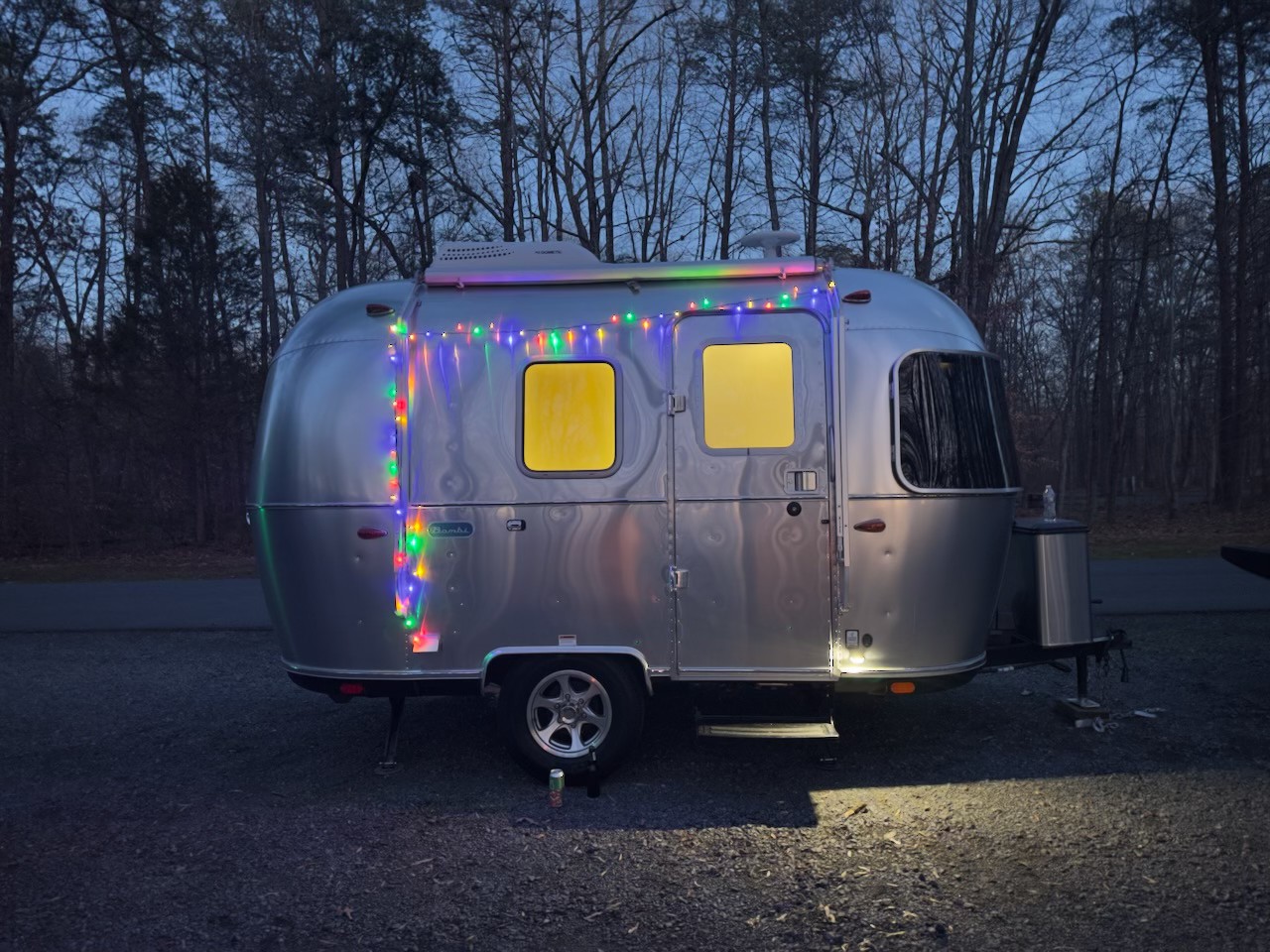
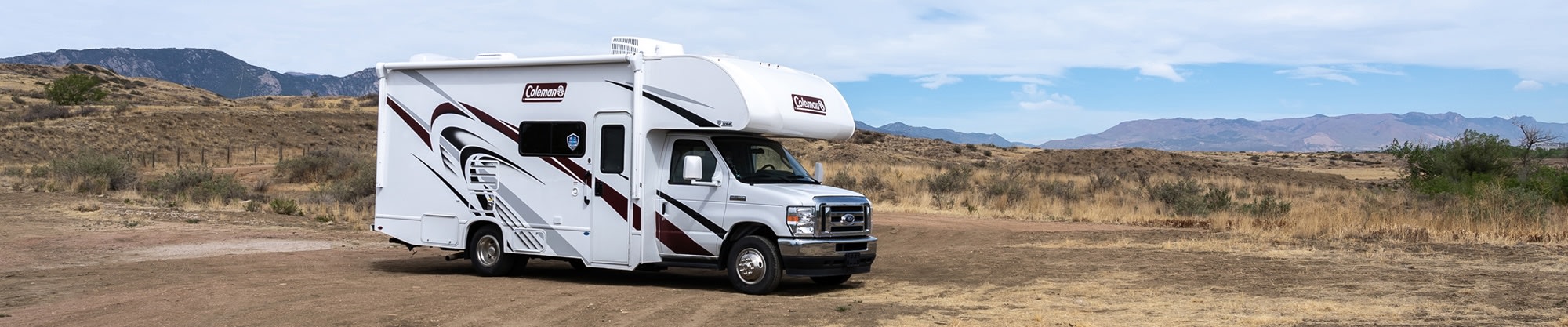
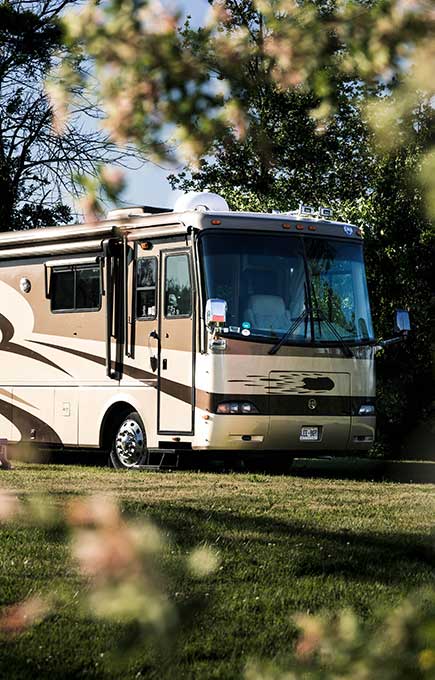
- Outdoorsy's own posted rental ranges by class: Class A $175–$275/night, Class C $150–$200/night, Class B $100–$200/night, travel trailers $50–$125/night, fifth wheels $60–$150/night, pop-up trailers $50–$100/night.
- Outdoorsy charges a renter service fee of up to 20% on top of the nightly rate. Insurance packages, mileage and generator allowances, cleaning terms, and the security deposit amount are set by the individual RV owner and vary listing to listing — that's normal for a peer-to-peer marketplace, and worth reading closely before you book.
- The value shows up fastest on multi-day trips with more than a couple of people — cooking on board instead of eating out for every meal, and rolling one "room" with you instead of paying for a new hotel every night.
- Shorter trips and solo or couple travel see a smaller gap — still worth comparing, but there's less time and fewer mouths for the rental to pay itself back on.
How much does an RV trip actually cost, line by line?
The full cost stack has more moving parts than the nightly rate alone. In our experience, the renters who feel caught off guard by cost are the ones who budgeted only the rental price and didn't plan for fuel, campground nights, and the deposit hold.
Here's the real stack, in the order it usually hits your budget:
- Rental rate. Outdoorsy's own posted average nightly ranges: Class A $175–$275, Class C $150–$200, Class B $100–$200, travel trailers $50–$125, fifth wheels $60–$150, pop-up trailers $50–$100. Rates vary by owner, location, season, and rig age on top of these ranges.
- Renter service fee. Outdoorsy charges up to a 20% service fee to the renter on each booking — this is built into your total at checkout, not an extra surprise line.
- Insurance. Chosen at booking, typically a few coverage tiers to pick from. Exact pricing is set at the listing level, so compare the options on your specific rig rather than assuming a flat rate.
- Fuel. The biggest class-driven variable. A Class A typically gets noticeably fewer miles per gallon than a Class C, which in turn uses more fuel than a Class B campervan — plan your route and check current gas prices in your pickup area rather than budgeting off a guess.
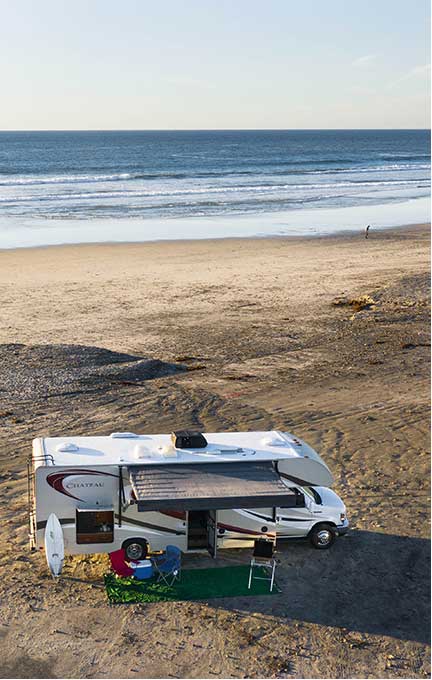
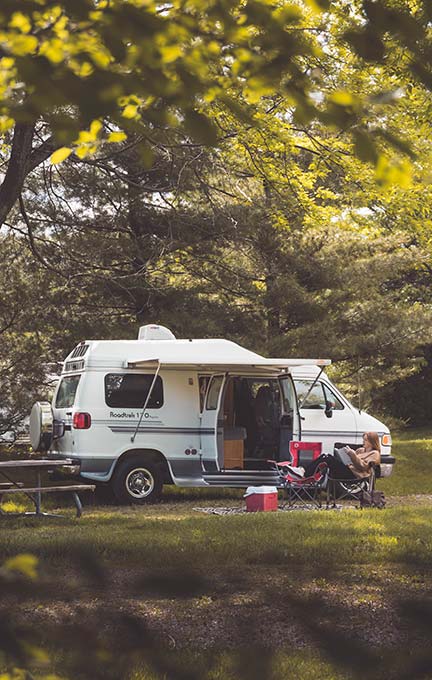
- Campgrounds. Ranges from free-to-cheap (BLM dispersed land, some National Forest sites) to moderate (state parks, KOAs) to premium (full-hookup resorts). This is one of the more flexible line items in the whole trip.
- Mileage and generator allowance. Most rentals include a set number of miles and generator hours per night, with an overage charge if you go over — both the included allowance and the overage rate are set by the individual owner, so check the specific listing before you plan a high-mileage route.
- Security deposit. Held on your card at booking; released roughly a week after you return the rig if no damage claim is filed. The amount is set by the individual owner and varies by listing.
For the rental-only piece, average RV rental prices covers the rig side directly. RV park rates by type covers the camp side.
What does Outdoorsy actually charge, and what does the RV owner set?
This distinction matters more than most cost articles let on, because Outdoorsy is a peer-to-peer marketplace, not a single corporate rental counter — some fees are platform-wide, and some are set listing by listing.
What Outdoorsy charges directly:
- Renter service fee: up to 20% of the booking, charged to the renter.
- Late return fee: a $30 flat administrative charge plus the prorated hourly rental rate for each hour you're late, with a 1-hour grace period built in. If a late return bumps another renter's booking, that escalates to the full daily rate for every 8 hours late, plus an additional $100 administrative fee.
- Security deposit handling: the hold is released about 7 days after your rental ends if no claim is filed. If the owner does file a damage claim, a 2.95% payment processing fee applies to the claimed amount.
What the individual RV owner sets (varies by listing):
- Insurance package pricing and tiers
- Mileage allowance and per-mile overage rate
- Generator-hour allowance and overage rate
- Cleaning-fee policy and amount
- Security deposit amount
The cleanest defense against any surprise: photograph the rig at pickup, and read the specific listing's terms before you confirm — two rigs at the same nightly rate can have very different fine print on mileage, generator hours, and deposit amount. Our RV rental checklist walks the pickup discipline that protects you from disputes later.

Where does an RV trip's value actually come from?
The honest comparison against flying and staying in hotels comes down to two things: how many people you're feeding, and how many days you're traveling.
- Families and groups of three or more: cooking breakfast and lunch on board instead of paying for restaurant meals for everyone, every day, is where the math tips hardest in the RV's favor. The more people at the table, the bigger that gap gets.
- Multi-day trips: the rental rate amortizes the longer you're out, while a hotel bill resets in full every single night.
- Multi-stop road trips: a hotel means a new check-in (and a new nightly rate) in every city. One RV rolls the "room" with you the whole way.
- National-park and rural destinations: where hotel rooms are scarce, far from the park gate, or booked out months ahead, RV camping is usually closer to the trailhead and easier to find on shorter notice.
For a very short trip — a one- or two-night getaway — or for a solo traveler or a couple without kids, there's simply less time and fewer people for the rental to pay itself back on. The RV can still be the right call if the trip itself (not just the savings) is the point, but don't expect the same dramatic gap you'd see on a longer family trip. Renters we talk to who go in expecting that gap to shrink on a short solo trip tend to come away happy with the choice anyway — they book it for the trip, not the spreadsheet.
How do you build a realistic budget for your own trip?
Rather than hand you one fixed total that won't match your actual route, class, or season, here's the checklist to build your own number — anchored to what's actually confirmed, with the variable pieces flagged as variable:
- Start with the rental line. Pick your class from Outdoorsy's posted ranges above, multiply by your number of nights, and add the renter service fee (up to 20%).
- Add insurance from your specific listing, not a guess — it's chosen at booking and varies by owner and coverage tier.
- Estimate fuel from your route and rig's rough MPG class, using current local gas prices rather than a fixed number that will be stale by the time you travel.
- Plan your campground mix. A trip that leans toward BLM or National Forest dispersed camping costs meaningfully less than one built entirely around full-hookup resorts — decide your mix before you book to avoid surprises.
- Check the mileage and generator allowance on your specific listing against your planned route, especially for a high-mileage or long dry-camping trip.
- Budget for the security deposit as a hold, not a spend — it's returned (in most cases) about a week after you bring the rig back, so it affects your available credit during the trip more than your actual trip cost.
We've watched renters who build their budget this way — line by line, off their actual listing and route — end up far closer to their real trip cost than renters who anchor to a single number they saw in an article.
How do you keep the cost down?
A few real levers, in roughly the order they tend to matter:
- Ask about weekly or monthly rates. Many owners price longer bookings lower per night than a string of daily rates — it's worth asking or checking the listing even for a trip that's just over a week.
- Travel shoulder season. Spring and fall generally see lower demand than the summer peak, which tends to mean easier availability and, often, a better rate — check specific dates rather than assuming a fixed discount.
- Mix boondocking and dry-camping nights with paid campground nights. Free or low-cost dispersed camping on BLM or National Forest land (where your rig is self-contained) can meaningfully lower your campground line without giving up every night of hookups.
- Pace the drive. Slower daily mileage burns less fuel over the whole trip and gives you more time at each stop — a real cost lever, not just a comfort one.
- Read the listing's insurance, mileage, and generator terms before you book, and pick the rig whose included allowances actually match your route, rather than the lowest sticker rate.
For longer-term cost patterns, cheaper long-term and boondocking nights and weekly and monthly rental rates cover more detail. The wider guide to RV classes covers fuel economy by rig type.
Key takeaways
- The nightly rental rate is only part of the total. Fuel, campgrounds, the renter service fee, and the deposit hold all add on top.
- Outdoorsy's posted rental ranges by class: Class A $175–$275, Class C $150–$200, Class B $100–$200, travel trailers $50–$125, fifth wheels $60–$150, pop-ups $50–$100 (per night).
- Outdoorsy charges a renter service fee of up to 20%. Insurance, mileage/generator allowances, cleaning terms, and the deposit amount are set by the individual owner — check the listing.
- The RV bundle's value shows up fastest for families and groups on multi-day trips. Shorter trips and solo/couple travel see a smaller gap, which is still worth comparing trip to trip.
- Real cost levers: ask about weekly/monthly rates, travel shoulder season, mix in boondocking nights, pace the drive, and read your specific listing's terms before booking.
About this guide
This guide was prepared by the Outdoorsy editorial team. Rental rate ranges by RV class and the platform fee structure (renter service fee, late fee, security deposit handling) were verified directly against Outdoorsy's RV rental prices page and Outdoorsy's Service Fees page on July 6, 2026. BLM Long-Term Visitor Area permit pricing was verified against the BLM La Posa LTVA page as of June 12, 2026. Fees set by individual RV owners (insurance, mileage and generator allowances, cleaning terms, deposit amount) vary by listing — confirm the specific terms on your rental before booking.