
You’ve seen the Instagram posts. The family parked at the edge of some canyon, golden hour light hitting just right, a campfire going, nobody staring at a screen. And you thought: I want that.
Good news — you can have it. And you don’t have to buy an RV to get there.
Renting an RV for the first time is one of the best decisions you’ll make this year. It’s also the kind of decision that goes sideways fast if you walk in blind. So let’s do this right.
What Exactly Are You Signing Up For?
An RV is a house on wheels. That sounds obvious, but it’s worth sitting with for a second. You’re driving something that has a kitchen, a bathroom, a bedroom, and a living room — all attached to an engine. It’s not complicated, but it does require you to think differently than you would behind the wheel of your car.
Before you book anything, ask yourself three honest questions:
Who’s coming? A couple looking for a weekend escape has very different needs than a family of five with two dogs. The number of people shapes everything — the size of the RV you need, the campgrounds you can access, and how much patience everyone’s going to need on day three.
Where are you going? Mountains, coasts, national parks, your cousin’s farm in Tennessee — the destination matters. Some roads aren’t built for 35-foot Class A motorhomes. Some campgrounds only take rigs under 26 feet. Know where you’re headed before you pick your vehicle.
What’s your comfort level? If parallel parking a minivan already makes your palms sweat, start small. A Class B camper van drives like an oversized pickup. A Class C is a step up but still manageable for most first-timers. A Class A is the full experience — and a full commitment.
The Three Classes, Plain and Simple
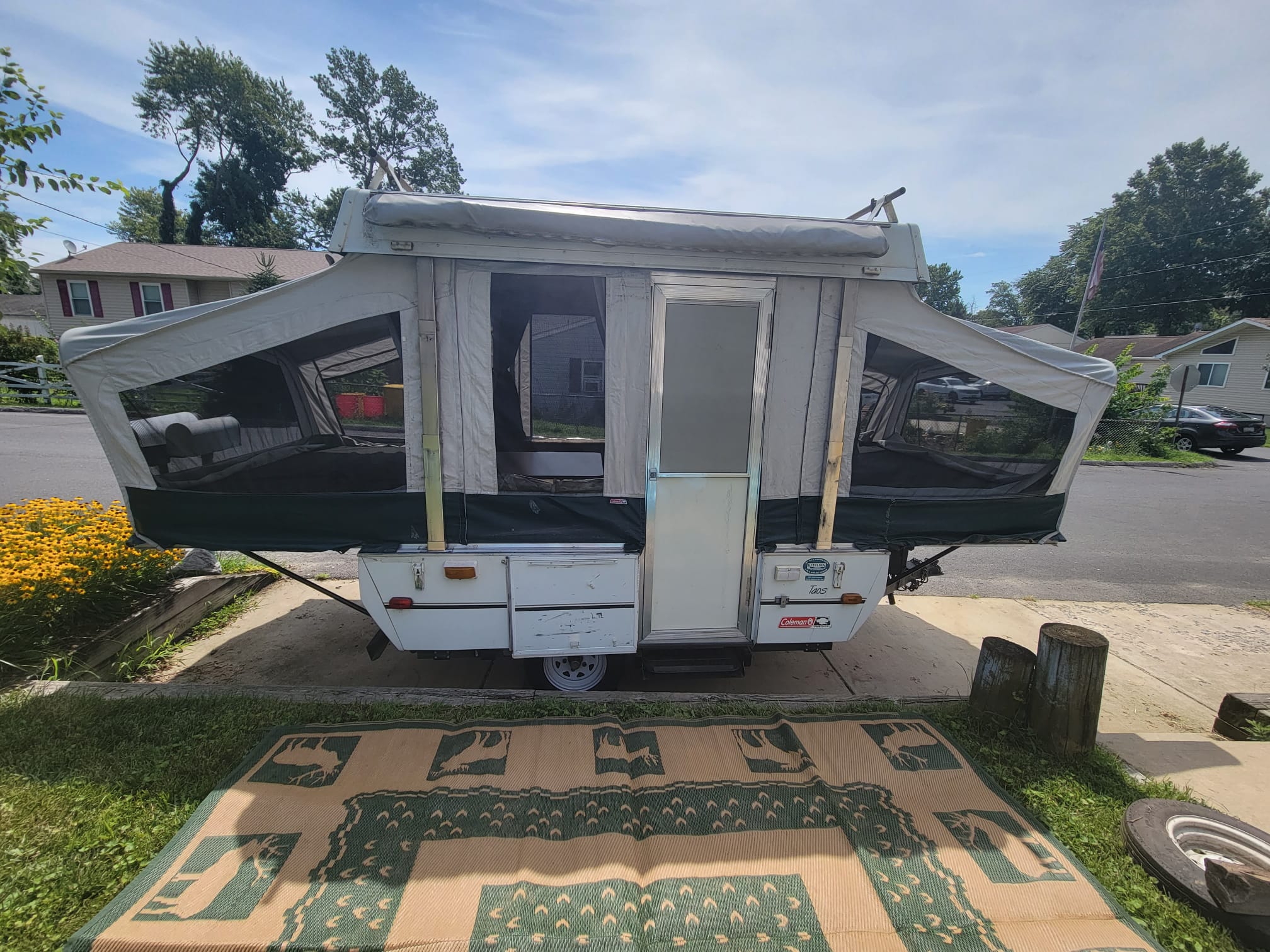
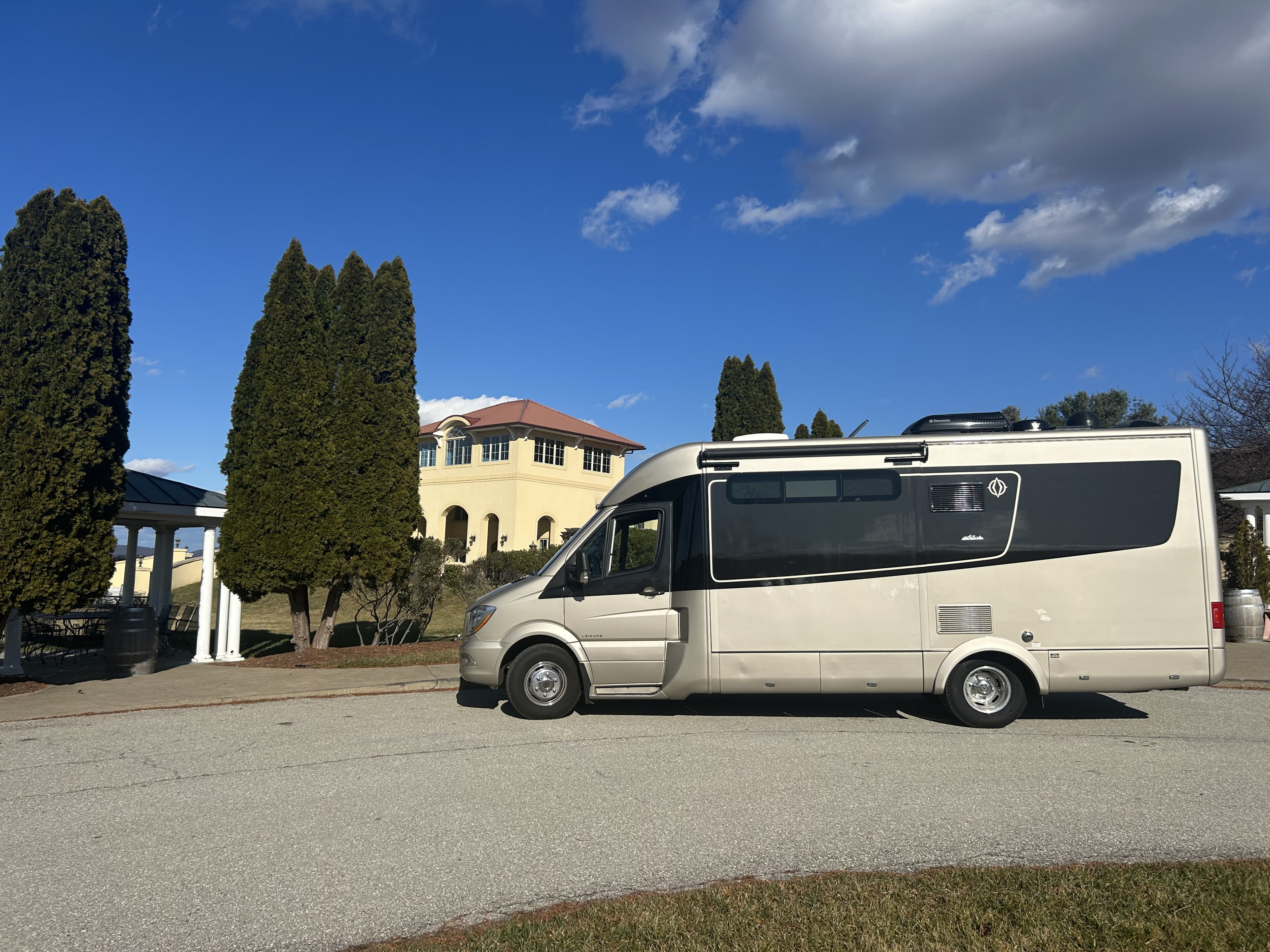
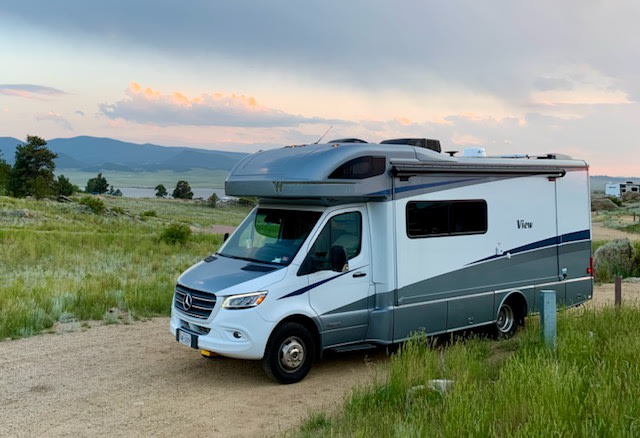
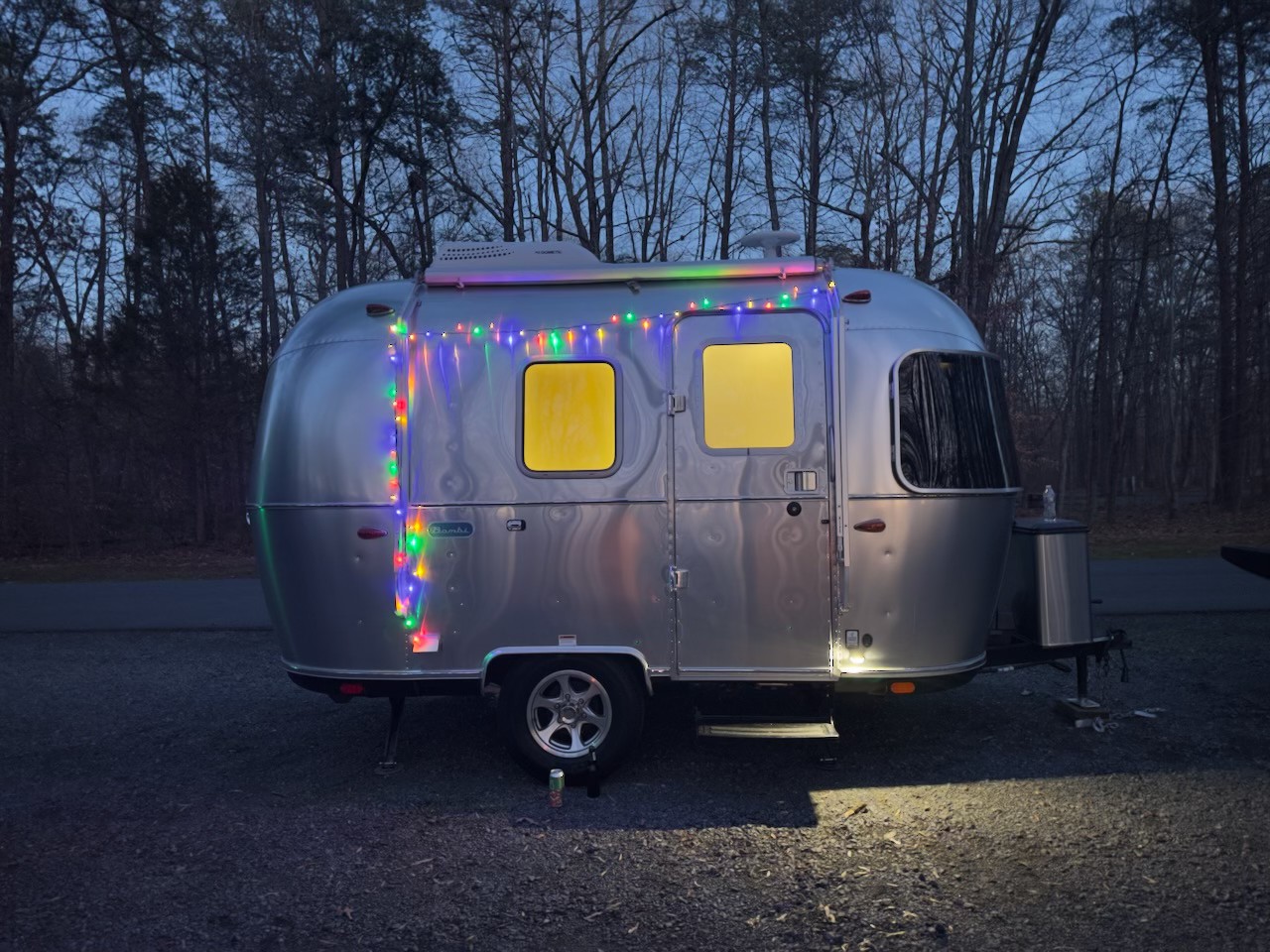
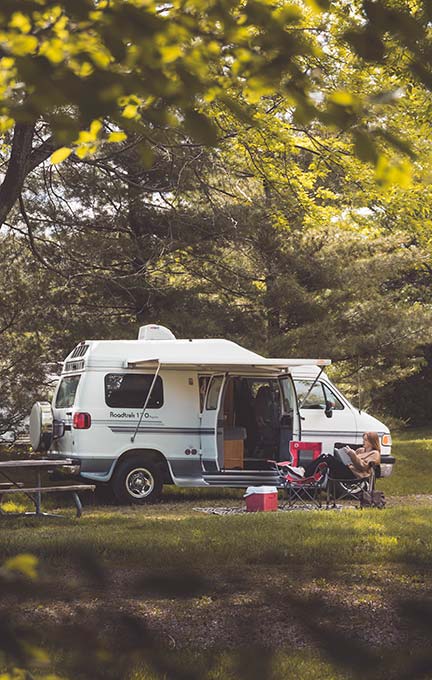
Class B (Camper Vans) — The easiest to drive. Fits in a regular parking space. Limited sleeping space, but everything you need is there. Great for two people who don’t need a lot of elbow room.
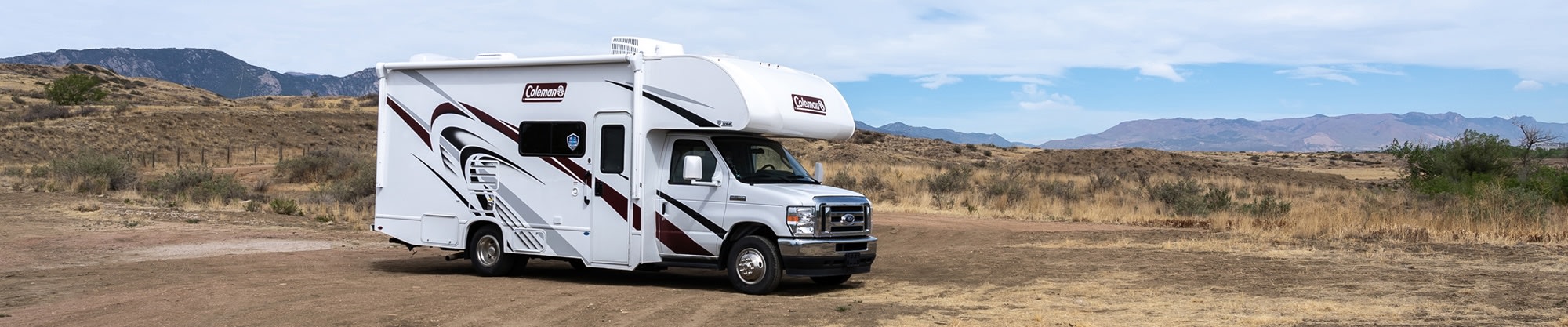
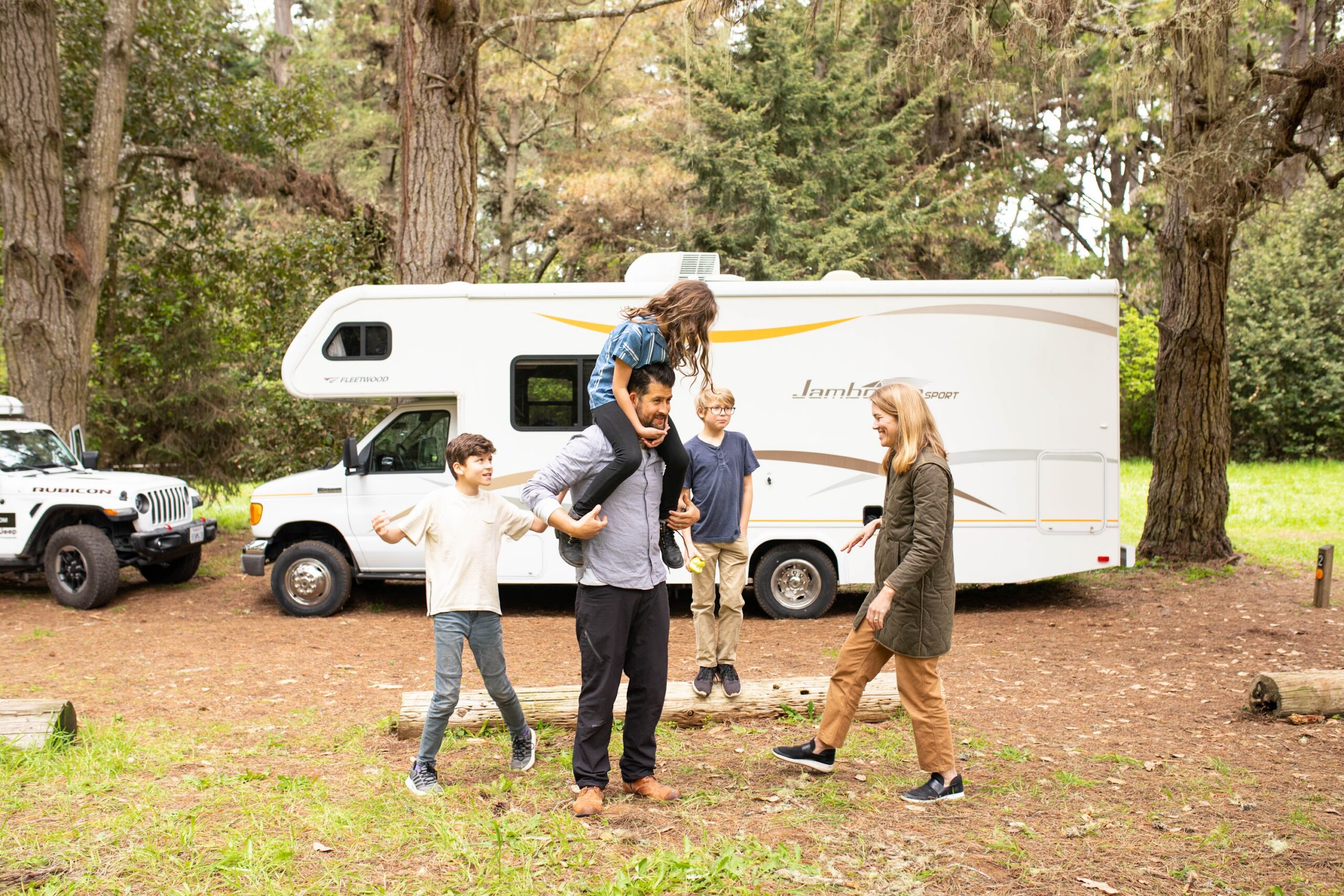
Class C — The sweet spot for most first-time renters. Built on a truck chassis, usually 22–32 feet, sleeps 4–8, and feels manageable once you’ve driven it a few miles. The overhang above the cab is usually where the kids sleep.
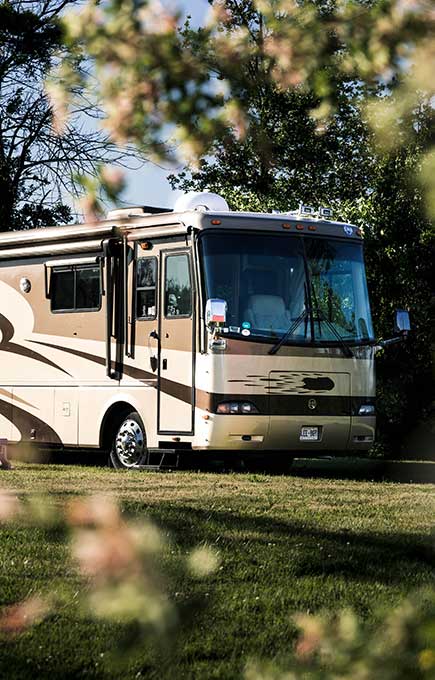
Class A — The king of the road. Bus-style, up to 45 feet, full amenities. These are outstanding for longer trips with bigger groups, but they demand respect behind the wheel and are not ideal if you’ve never driven something bigger than an F-150.
How to Book Without Getting Burned
Booking an RV through Outdoorsy means you’re renting directly from real owners who know their vehicles. Here’s how to make sure you end up with the right one:
Read the listing like a lease agreement. Look at the photos. Read the full description. Check what’s included (linens, kitchen supplies, camp chairs) and what isn’t. Every owner is different.
Check the reviews — all of them. A five-star rating with two reviews means less than a 4.7 with forty. Look for patterns. People mention the same things when something matters.
Ask questions before you book. Good owners want to know you’re prepared. Ask about the generator policy, mileage limits, pet rules if applicable, and what happens if something breaks on the road. Any owner worth their salt will answer promptly and thoroughly.
Understand your insurance. Outdoorsy offers protection plans that cover you during your rental. Read what’s included, what the deductible is, and whether your personal auto insurance adds any layer of coverage. Don’t skip this step. You won’t regret knowing; you might regret not knowing.
The Pre-Trip Walkthrough: Don’t Skip It
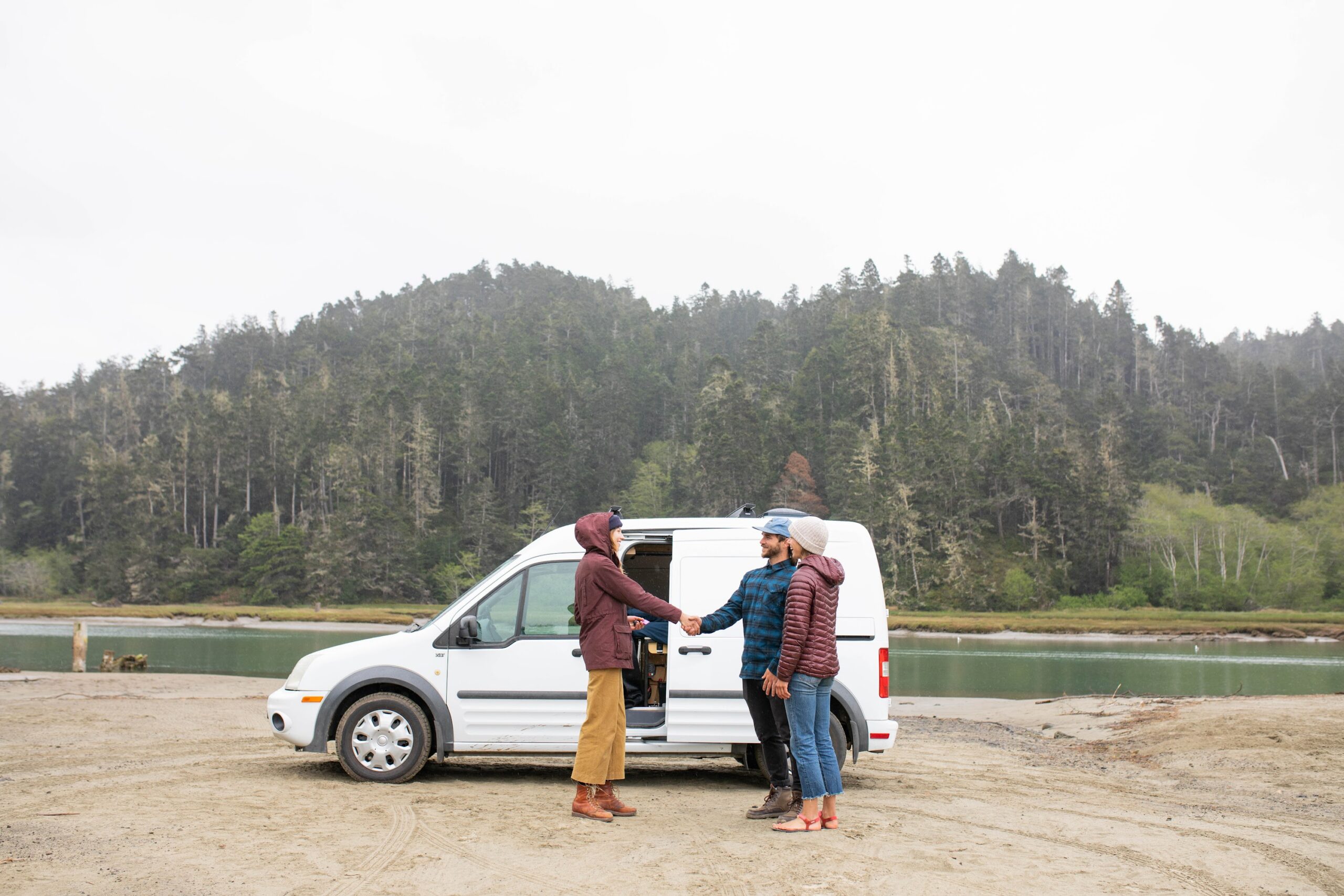
When you pick up the RV, the owner should walk you through the vehicle. If they don’t offer, ask. This is non-negotiable. Here’s what you want covered:
The water system. How to connect to shore water, how to use the onboard tank, how to fill it, and — most importantly — how the toilet and tanks work. The black tank is the holding tank for waste. The grey tank handles sink and shower water. You will need to dump both. Your owner will show you how. Pay attention.
The electrical system. Shore power hookups, the generator (when you can use it and for how long), and the batteries. Most campgrounds have 30-amp or 50-amp hookups. Know which one your rig uses.
The propane. Powers the stove, water heater, and furnace in most RVs. Your owner will show you how to turn it on and off. Never run propane while driving.
Slides and awning. If the RV has slideouts (sections of the rig that extend outward when parked), you need to know how to deploy and retract them safely. Same for the awning — it’s great for shade, but leave it out in a windstorm and you’ll have a bad time.
Take photos before you leave. Walk the entire exterior and interior. Document every scratch, dent, and scuff. Text them to the owner or upload them through the platform. This protects everyone.
On the Road: What Nobody Tells You
Give yourself more room than you think you need. Turning radius, overhead clearance, and lane width all change when you’re driving something 10 feet tall and 30 feet long. Take it slow until you’ve got a feel for it. Most first-timers are surprised by how quickly they adapt.
Back-in sites are going to happen. Some campgrounds only offer back-in spots. If possible, have a second person outside the RV guiding you. Take it in three-point turns if you need to. There’s no shame in it. Every experienced RVer has jackknifed into a site at least once.
Everything moves inside. Cabinets pop open. Items roll. Liquid spills. Before you drive anywhere, close every cabinet, latch every door, and don’t leave anything loose on the counters. The first time a full coffee pot slides off the counter at 55 mph on I-70, you’ll understand.
Mileage matters. Most rentals include a mileage limit. Know yours. Factor it into your route planning.
Campground Basics
Most first-timers book a campground with full hookups — water, electric, and sewer connections right at your site. This is the easiest way to start. You’re not managing tanks or generators; you plug in and live comfortably.
Book early. The good campgrounds — especially near national parks — fill up fast. Some are booked out months in advance. Reserve before you need to, not when you realize you have to.
Apps like The Dyrt, Campendium, and RV Life help you find campgrounds, read reviews, and filter by site size. Use them.
What to Pack
Your RV will have the basics — kitchen stuff, bedding (confirm this with your owner). What you’ll want to bring:
- Sewer hose if not provided (ask your owner)
- Drinking water hose (a white hose, separate from the sewer setup)
- Leveling blocks
- Power adapter (30-to-50 amp or vice versa, depending on the campground)
- Paper maps or downloaded offline maps (cell service disappears in the mountains)
- A headlamp and extra batteries
- Patience — especially for day one
What to Do If Something Goes Wrong
Things break. It’s an RV. Somewhere between a car and a house, it has the maintenance quirks of both.
If something stops working, start with the owner. They know their rig. A lot of “problems” are user error — a tripped breaker, an empty propane tank, a switch in the wrong position. Your owner has likely answered the same question twenty times.
If it’s a genuine mechanical issue, Outdoorsy has roadside assistance. Know where to find the number before you need it.
Document everything with photos and contact the platform if it’s a significant breakdown that affects your trip. Don’t just stew about it after the fact.
The Part Nobody Talks About
The first night in an RV is a little weird. It’s smaller than you expected and bigger than you thought it would feel. Things creek. The generator hums. The refrigerator makes a noise at 2 a.m. that you’ll eventually stop noticing.
And then morning comes. You open the door and you’re already there — wherever you decided to be. No checkout time. No lobby. No fighting over who gets the bathroom first because the bathroom is three feet away from the coffee maker.
That’s the thing about RV travel. It’s not about the vehicle. It’s about where it takes you — and the fact that you carry your own front door with you when you get there.
Quick-Reference Checklist
Before You Book
Know your group size and trip dates
Choose the right RV class for your comfort level
Read listings, reviews, and owner profiles
Understand your insurance and protection plan
At Pickup
Complete the walkthrough — water, electric, propane, slides, awning
Document pre-existing damage with photos
Confirm what’s included and what you need to bring
Get the owner’s phone number and emergency contacts
On the Road
All cabinets latched before moving
Slideouts retracted before driving
Propane off while driving
Mileage tracked
At Camp
Level the RV before extending slides
Connect to hookups (water, electric, sewer if available)
Deploy awning only in calm weather
At Return
Tanks dumped and flushed
Interior cleaned
Fuel topped off (if required)
Final walkthrough with owner
You’re more ready than you think. Now go book the trip.
Ready to find your rig? Browse RV rentals near you on Outdoorsy.