
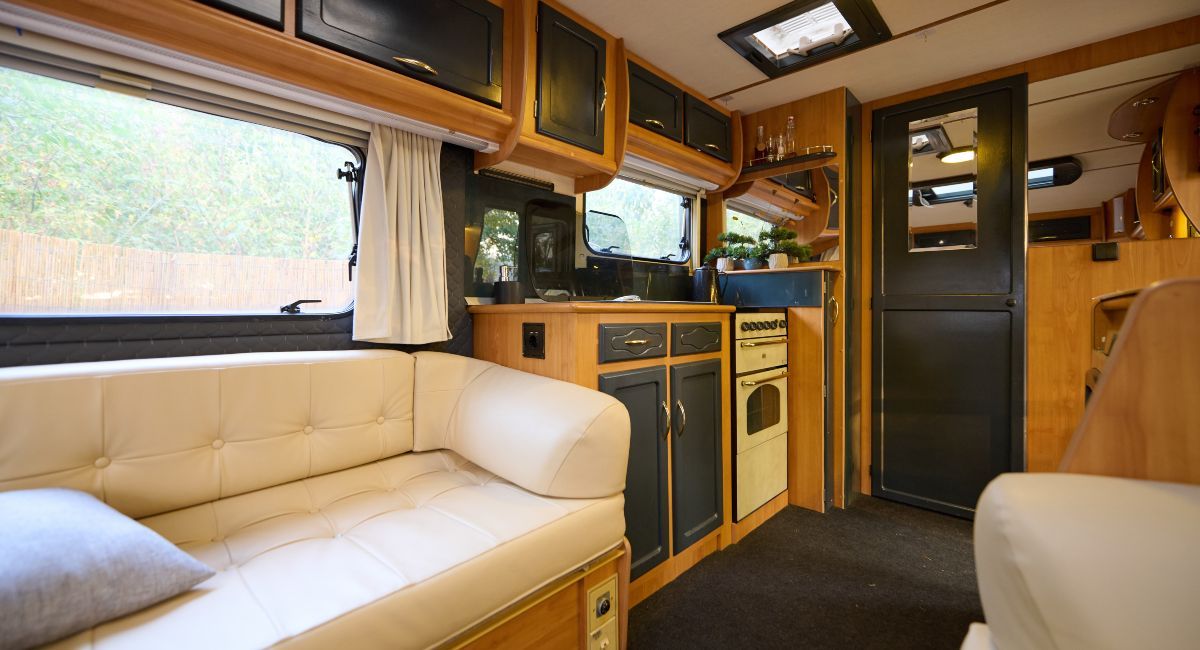
The single most misread number on an Outdoorsy listing is the sleeping-capacity rating. "Sleeps 6" counts every sleeping surface in the rig — the queen bedroom plus the dinette that folds into a bed plus the sofa bed plus the cab-over bunk, in some combination. It almost never means six standalone adult beds. This guide decodes the rating, maps it to family composition, and answers the question every parent renting a family rig actually has: who sleeps where, and will my crew fit?
The short version:
- "Sleeps 6" usually means 2 in a real bedroom plus convertibles (dinette, sofa bed, sometimes bunks) — not six standalone beds.
- A bunkhouse travel trailer, a Class C, and a Class A can all say "sleeps 6/8" but rent, drive, and park completely differently.
- Match the layout to your family. 2 adults + 4 kids wants bunks; two couples + kids wants a private bedroom plus a separable space.
- Bigger family rigs carry bigger deposit holds. Photograph the rig at pickup so you get the hold back.
- You can rent the same floorplan you'd otherwise buy — or have it delivered and set up so you skip driving the big rig.
Does "sleeps 6" mean six real beds — or six people including the dinette?
It counts every sleeping spot the rig is rated to accommodate, including convertibles. A typical "sleeps 6" travel trailer or Class C breaks down like this: a queen master bed + a dinette that folds into a bed (sleeps 2 small or 1 adult comfortably) + a sofa bed (sleeps 1–2) + sometimes a cab-over bunk or a single bunk in a small bunkroom. Six bodies fit, but the dinette is the dinner table by day.
In our experience, the families who are happiest with a "sleeps 6" rental are the ones who counted the real beds before they booked, not the headline number. Renters we talk to are most surprised that the dinette they ate dinner at is also where one of the kids sleeps. The rating works for families because kids fit smaller surfaces; it can be tight for six adults.
Here's what a "sleeps 6" rating typically means in real life:
- 2 adults + 4 kids (under ~12): Comfortable. Kids spread across the dinette, sofa, cab-over bunk, and any back bunk.
- 2 adults + 2 teens + 2 kids: Tight. Teens don't fit kid bunks well.
- 3 adults + 3 kids: Workable if you accept the dinette as a "bed." Add a tent for an adult outside if you can.
- 6 adults: Don't. The rating is a hard maximum, not a comfort target.
Which RV layout sleeps a family of 6 comfortably (and which one fits your kids?)
For a family of six, three layouts work best — each with trade-offs:
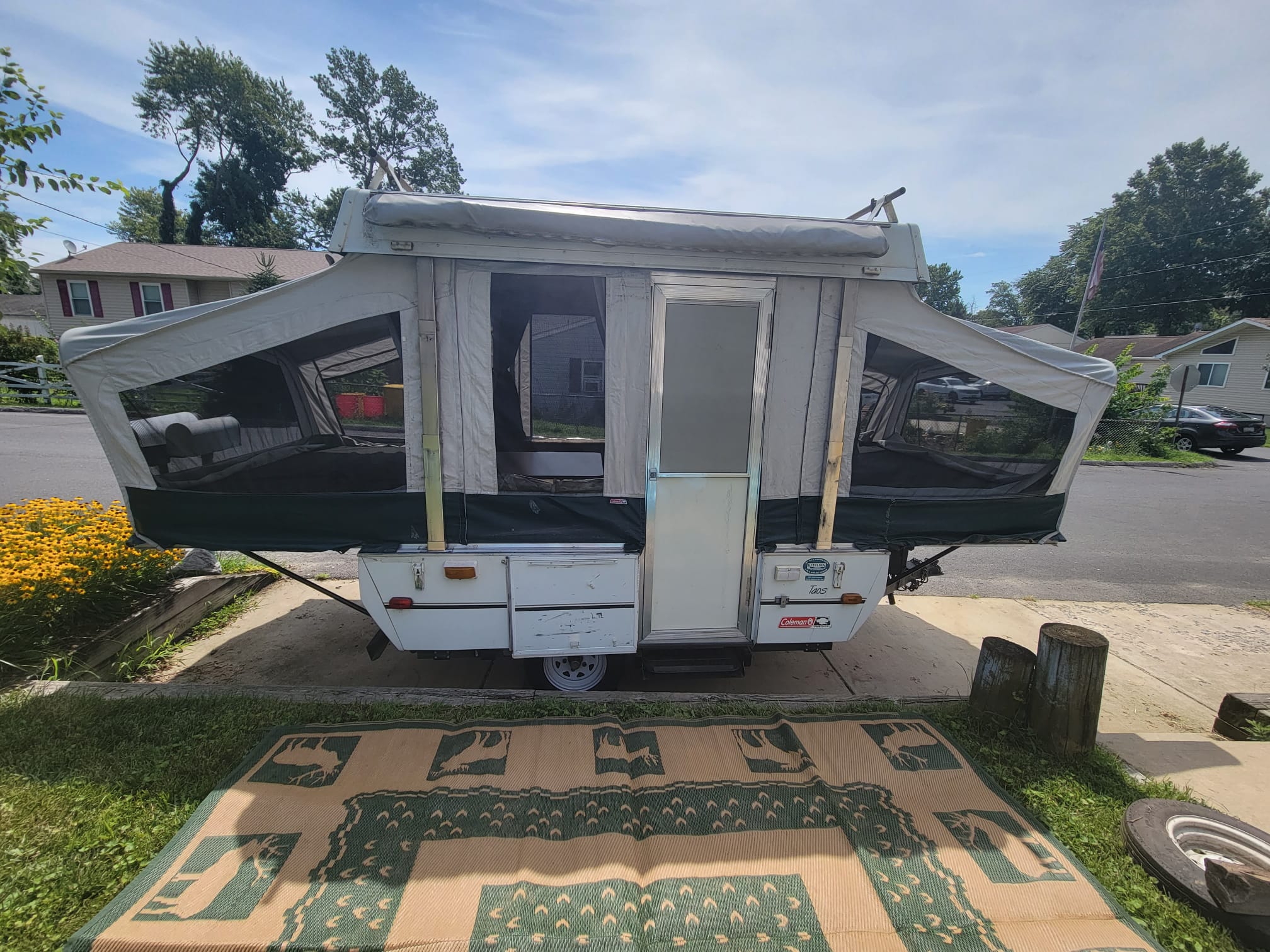
- Bunkhouse travel trailer (28–35 ft). A dedicated bunkroom at the back with two to four bunks; queen master at the front; convertible dinette in the middle. Best for kids 4–12. Needs a tow vehicle. Most family-friendly layout overall.
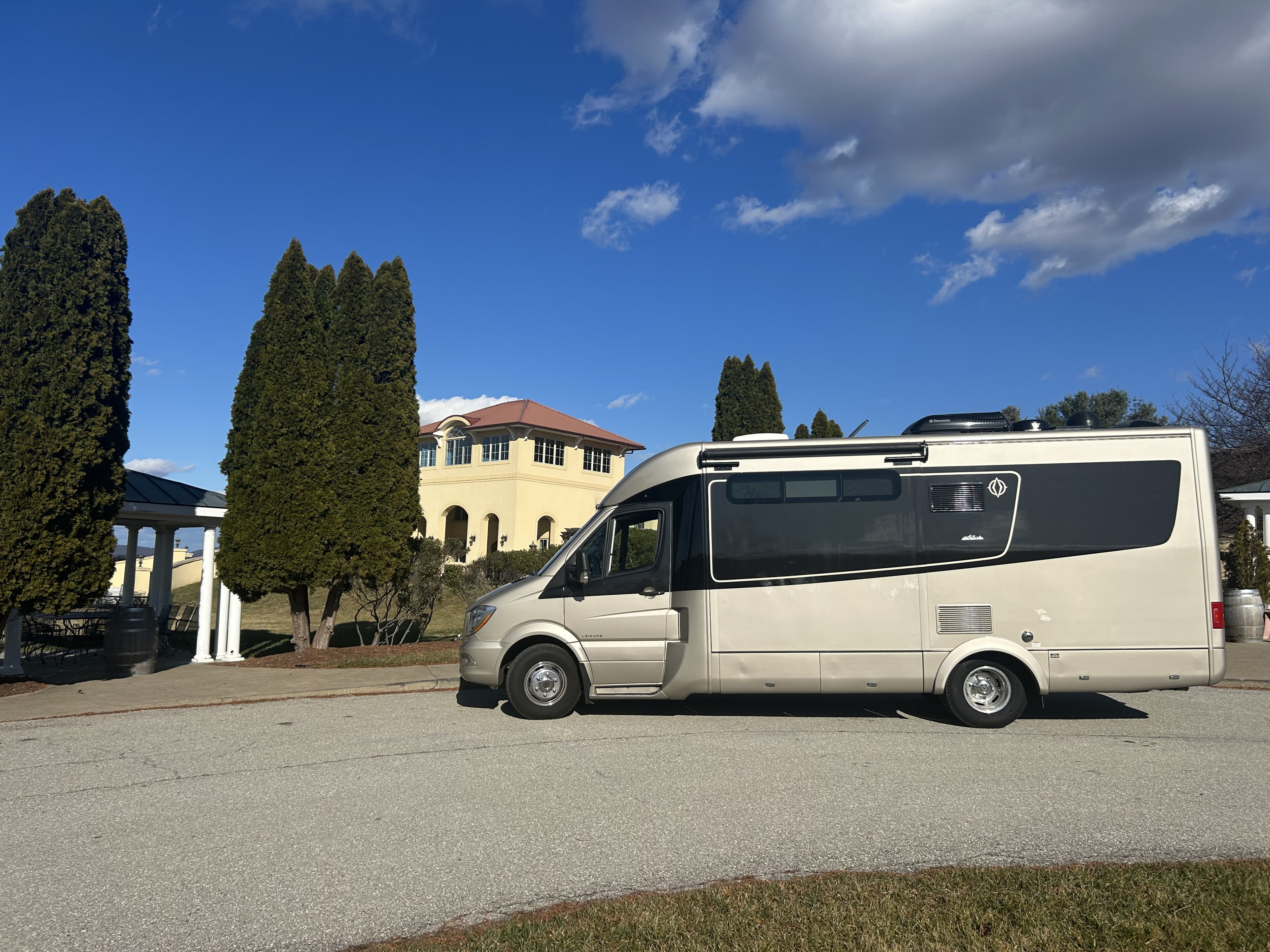
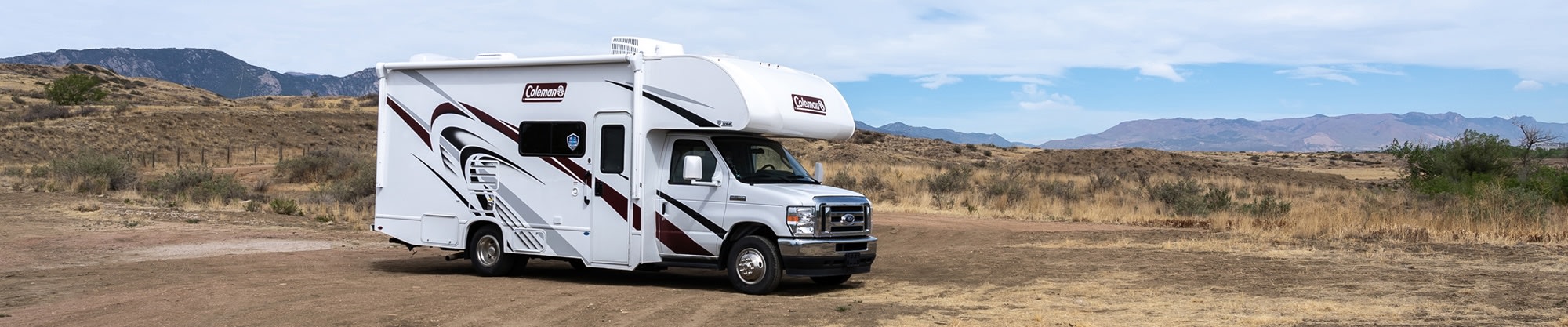
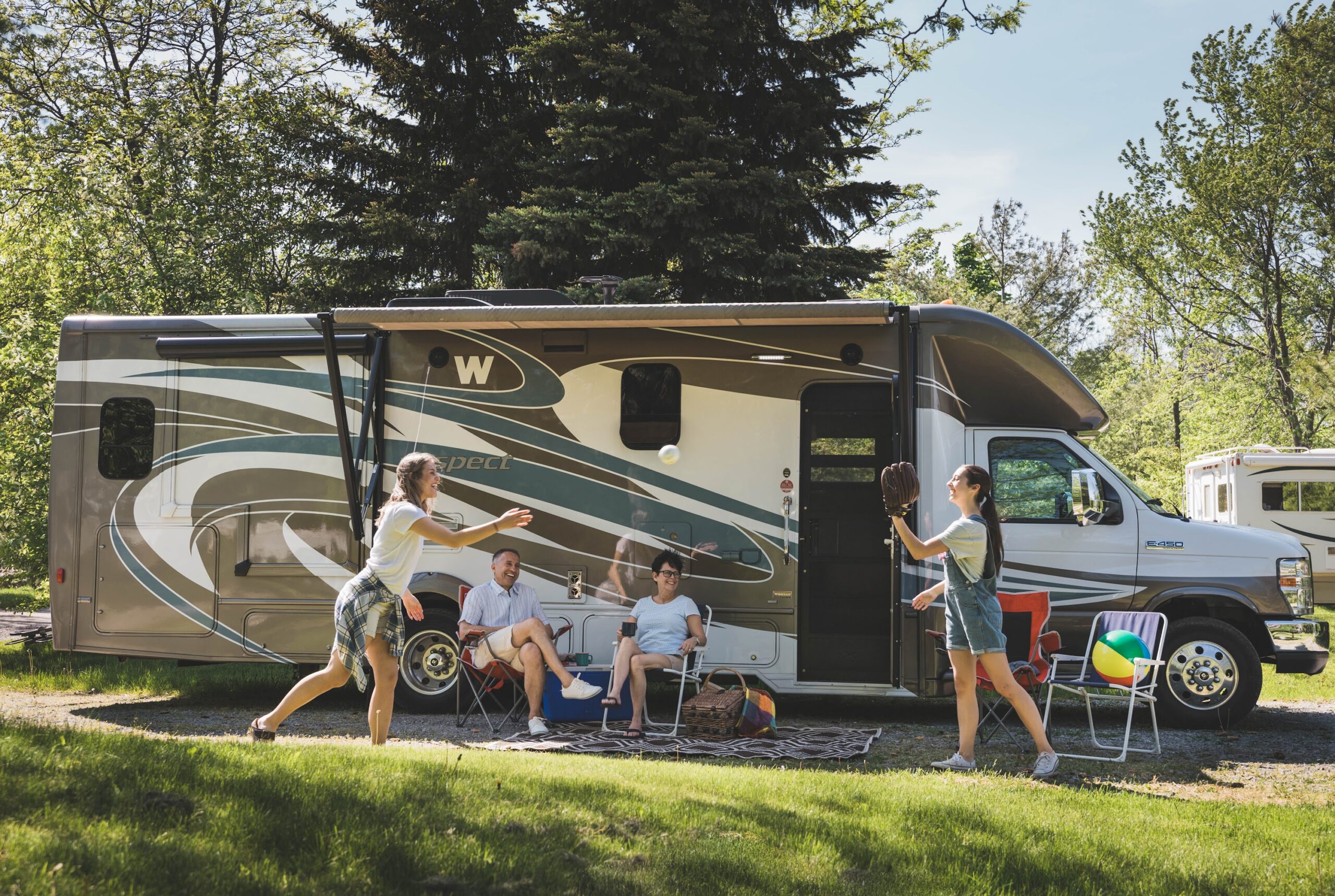
- Class C motorhome with cab-over bunk (25–32 ft). Cab-over bunk above the driver's cab; queen master at the back; dinette and sofa convert. Best for families with two or three kids. No tow vehicle needed.
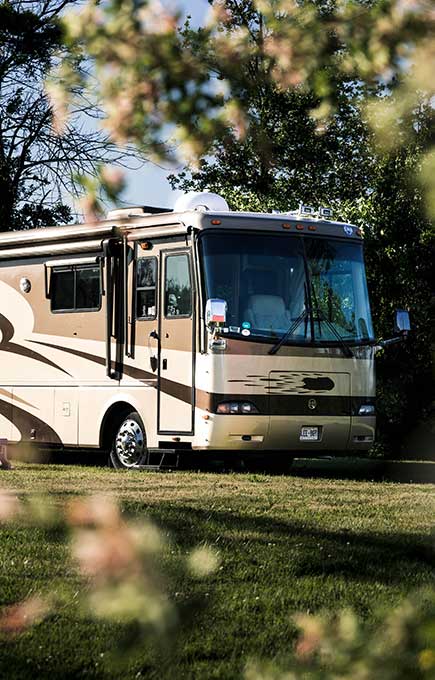
- Class A motorhome (32–40 ft). Private bedroom; multiple convertibles; sometimes a back bunk in family-specific models. Most space, biggest rig to drive. Best for trips with mixed-age families or two couples plus kids.
We've watched parents of teens skip the double-over-double bunkhouse because two near-adults don't fit a kid bunk — a detail the spec sheet never flags. The size-of-the-kid math matters: kid bunks are usually 28–32 inches wide and 72–74 inches long. That's fine for an 8-year-old, tight for a 14-year-old, and not for an adult. Read the bunk dimensions on the listing photos.
For the broader rig-class picture, the big guide to RV classes covers the trade-offs. For the family-friendly layout specifically, rent a bunkhouse travel trailer is the right browse.
What does a rig that "sleeps 8" look like, and will it fit a national-park campsite?
"Sleeps 8" rigs are almost always bunkhouse travel trailers (30–38 ft), Class A motorhomes (32–40 ft), or Super C diesel pushers (35–40 ft). All three top 30 ft, and many top 35 ft. At those lengths, many national-park campgrounds won't take them.
A reality check on national-park fit:
- Yellowstone: Bridge Bay, Canyon, Grant, Madison all cap RV sites around 40 ft but most usable family sites are 30–35 ft.
- Grand Teton: Colter Bay handles big rigs (up to ~40 ft); Jenny Lake and others cap shorter.
- Smokies: Look Rock fits up to 48 ft; Cades Cove and Smokemont ~40 ft motorhome / 35 ft trailer.
- Arches: Devils Garden caps most sites at 25–30 ft.
- Acadia: Schoodic Woods caps around 20–25 ft; Blackwoods has sites up to 35 ft.
- Zion: Watchman has sites up to 99 ft (but a 35'9" rule on the Mt. Carmel Highway starting June 7, 2026).
The clean read: anything over 35 ft excludes you from most NPS in-park campgrounds. For "sleeps 8" rigs in the 30–35 ft range, you have access to most family-friendly NPS spots. For 36+ ft, plan to stay at private full-hookup parks near gateway towns.
Should you rent a big family RV instead of buying one for a single trip?
Almost always, for a family doing one or two trips a year. A new bunkhouse travel trailer runs $30,000–$60,000; a new family-bunkhouse Class C runs $80,000–$150,000; a new bunkhouse Class A runs $120,000–$250,000. That's before storage ($75–$150/month), insurance ($500–$1,200/year), winterization, and depreciation. A week's rental of the same rig on Outdoorsy runs $1,200–$3,000.
The math:
- One trip a year: Rent. Hands down.
- Two trips a year: Rent. The total annual cost is still well below ownership.
- Three+ trips a year for 5+ years: Buying starts to make financial sense if you're committed to RVing as a recurring family activity. Five+ years is the typical break-even.
Renting also lets you try the floorplan before you commit to buying. A bunkhouse trailer for one trip tells you whether your family actually likes the layout — or whether you'd be happier in a Class C with a cab-over bunk instead. Value-minded family rigs covers the rentable options that align with what families would otherwise buy. What RV rentals actually cost covers the rental side.
How do you protect your deposit on a larger family rig at pickup?
The pickup discipline that matters most: photograph every side, the roof, and every existing interior wear point before you drive off the lot, and record the odometer, generator hours, and fuel/propane levels. Bigger family rigs often carry bigger security deposit holds — Outdoorsy hosts can set deposits between $500–$1,500 (though many P2P listings as of Feb 16, 2026 use a security-deposit waiver by default instead).
The pickup photo loop in five minutes:
- Outside: Phone in landscape, video the rig in one slow loop — every side, both ends, the roof from ground level. Stop on any visible scratch, dent, or chip.
- Inside: Shoot the upholstery, the carpet near the doors, the bathroom corners, each bunk mattress, any existing tear or stain.
- Convertibles: With family rigs, the dinette and sofa-bed conversions get the most wear. Photograph each one in its bed-mode position before you leave.
- Numbers: One dashboard photo capturing the odometer, generator-hour meter (if visible), fuel gauge, and propane gauge.
- Cabinets: Open every cabinet. Note what's loose or chipped before kids open them.
For the full pickup-inspection sequence, our RV rental checklist walks the three-phase pickup → packing → return discipline. For families who want to skip the driving entirely, have the rig delivered and set up at a campground — the cleanest path for a family with young kids.
Key takeaways
- "Sleeps 6" counts convertibles. Real-bed count is usually 2 (the bedroom) + 1 (cab-over bunk if Class C) + 1 (bunkhouse).
- Bunkhouse travel trailer (28–35 ft) is the most family-friendly layout for kids 4–12.
- Class C with cab-over bunk works without a tow vehicle for two or three kids.
- "Sleeps 8" rigs are typically 30–40 ft — confirm against the national-park campsite max length before booking.
- Renting beats buying for 1–2 trips a year. Photograph the rig at pickup to protect the deposit hold.
About this guide
This guide was prepared by the Outdoorsy editorial team. The "sleeps X" rating breakdown, layout recommendations, and per-NPS-campground length specifics were verified in June 2026 against the Outdoorsy big guide to RV classes, the Outdoorsy RV rental prices page, and NPS per-campground pages for Yellowstone, Acadia, the Smokies, and Arches. Rental prices and deposit-hold defaults vary by host — confirm the specifics before booking.