Kansas City to Los Angeles Road Trip Guide
Introduction
This spectacular 1,618-mile cross-country journey from Kansas City to Los Angeles follows the legendary I-70 corridor through America's heartland before descending into the desert Southwest. The best time to visit is April through October when the Rocky Mountain passes are clear and campgrounds are fully operational. Key highlights include Denver's Mile High City, Rocky Mountain National Park, Moab's red rock wonders, Las Vegas's neon lights, and Death Valley's otherworldly landscapes, making this route perfect for families and first-timers seeking a pre-planned adventure with iconic West Coast destinations. Plan 7-10 days for a comfortable exploration that balances driving with unforgettable stops along America's most scenic route.
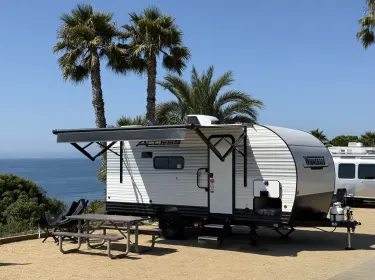
Ready to roll? Start your epic cross-country adventure with Kansas City RV rentals and discover why this coast-to-coast route is a bucket-list journey for RV enthusiasts.
Point of Interest
Geographic Center of the Contiguous United States
As the first stop on our Kansas City to Los Angeles trip, this unique roadside attraction provides the perfect opportunity to stretch your legs. The geographic center of the contiguous United States is marked by a historic marker located in a small park- just off US Route 281 and around two miles east from the small town of Lebanon in Kansas. Whilst there are some questions as to the accuracy of the marker, this has become a popular Instagram spot, and you will definitely want to leave behind your name on the board.
While you are in the area, you may also want to visit the world's largest ball of twine. There are currently four balls of twine which are competing for the top spot. However, as of 2014, it is this one in Cawker City which has been declared as having the largest circumference. Originally started by Frank Stoeber, the town now holds an annual Twineathon each August to add more to the ball.
Old Town Museum
Providing the opportunity to explore Burlington, Co, the next stop on our trip is the Old Town Museum, just off interstate 70. This museum is open year-round from 9 am to 6 pm Monday to Saturday, except for Thanksgiving and Christmas Day. The 21 fully restored buildings are filled with antiques, artifacts, and interactive exhibits, providing visitors with the opportunity to learn more about pioneer life on the eastern plains. If you are visiting between Memorial and Labour Day, don't forget to head to the saloon to watch traditional can-can dancers or even witness a first-class reenactment of a classic Wild West shootout.
You may also want to explore the town of Burlington whilst you are in the area, with this cow town oozing small-town charm and quintessential Colorado character. You could also take a ride on the Kit Carson County Carousel, with intricate hand-carved wooden giraffes and lions, as well as the traditional horses. Plus, you can learn more about this traditional wooden attraction and its significance to the town at the nearby museum.
Rocky Mountain National Park
No Colorado road trip is complete without experiencing Rocky Mountain National Park's towering peaks and alpine meadows. Trail Ridge Road—America's highest continuous paved highway—climbs above treeline to 12,183 feet, offering breathtaking views across the Continental Divide. Wildlife viewing opportunities abound with elk, bighorn sheep, moose, and black bears frequently spotted along park roads.
Popular hikes include the easy Bear Lake Nature Trail (perfect for families) and the more challenging Alberta Falls trek, showcasing rushing waterfalls and mountain scenery. Visit during summer months for wildflower displays that paint meadows in vibrant colors, or catch September's elk rut when bugling echoes through valleys.
While the park's campgrounds fill quickly, nearby Estes Park offers excellent RV facilities. Book early for summer visits as this area draws millions of visitors annually seeking mountain adventure.
Denver Zoo
Whether it is spotting the Zoo’s newest arrivals or just the chance to spot your favorites, a trip to Denver Zoo promises to be a great day out for any animal-lover. Home to more than 3500 animals, this 80-acre zoological garden was amongst the first to remove the cages and fences. Instead, they use rocks, trees, and other such natural items to separate the animals from the visitors. Meet the big cats at Predator Ridge, touch and feed stingrays and sharks at Stingray Cove, or meet some of the zoo’s most famous residents, the Komodo dragons.
The Toyota Elephant Passage is a particularly popular attraction, and this was actually the largest artificial elephant habitat in the world when it was first erected. Fully accredited by the Association of Zoos and Aquariums, Denver Zoo was first founded in 1896 when an orphaned black bear cub was gifted to the mayor of the city. Today, Denver Zoo is a not-for-profit organization, with funds going to help look after the animals and support wildlife in their natural habitat; including over 600 conservation and research projects from around the world.
Aspen, CO
With some of the world’s best skiing, this snowsports mecca is infamous for its winter fun. However, Aspen is a great place to visit year-round, with so much to see and do up in the Elk Mountain range. The view from the summit of Aspen Mountain is truly spectacular, with the chance to admire the majestic picture-perfect scenery that surrounds this area. The best way to reach the peak has to be via the Silver Queen Gondola which is in operation throughout the year. There are miles of trails to be explored, including the picturesque Roaring Fork Valley which is home to an abundance of wildflowers and wildlife native to the region.
Whether you prefer paragliding, ballooning, rock climbing, rafting on the Roaring Fork river, or just relaxing, this stop has something for everyone. As well as luxury accommodation options, there is also an array of public and private campgrounds nearby, so you can pick the best one to suit your needs.
Moab, Utah - Red Rock Wonderland
Moab sits at the heart of Utah's canyon country, serving as the perfect base for exploring both Arches and Canyonlands National Parks. Arches National Park showcases over 2,000 natural sandstone arches, including the iconic Delicate Arch—Utah's most photographed landmark. The park's 18-mile scenic drive provides easy access to major formations with short hikes leading to spectacular viewpoints.
Canyonlands National Park offers even more dramatic landscapes with its Island in the Sky district perched atop a 1,500-foot mesa overlooking the confluence of the Colorado and Green Rivers. For adventure seekers, Moab's mountain biking trails rank among the world's best, while the Colorado River provides excellent rafting opportunities.
Moab KOA accommodates RVs up to 80 feet with full hookups, swimming pool, hot tub, and a convenient bike wash station—perfect for mountain biking enthusiasts. For budget-conscious travelers, Devils Garden Campground within Arches National Park offers the only in-park camping surrounded by dramatic red rock formations, though reservations book months in advance.
Grand Canyon
Teddy Roosevelt once said that every American should see the Grand Canyon at some point in their lives, and it would be a shame not to stop at one of the most famous and one of the most visited landmarks in the USA whilst you are in the area. At up to 277 miles long, 18 miles wide and a mile deep, this immense canyon is often considered to be one of the natural wonders of the world and it was designated a world heritage site by UNESCO in 1979.
Although it has recently celebrated its 100th birthday as a park, scientists believe that parts of the Canyon could have begun forming over 70 million years ago. The colorful hues of the canyon walls frame an expanse of peaks, plateaus, and gorges that includes over 350 miles of established trails and over 375 miles of river. The changes in elevation and the unique geography of this region means that the weather can vary significantly in different parts of the park. We advise wearing layers and making sure that you pack waterproof clothing in case of rain. However, it should also be noted that it can get super hot here in the summer, especially June till August.
Hoover Dam
One of the most famous water dams in the world, the Hoover Dam is a concrete arch-gravity dam, which was constructed between 1931 and 1936 to provide water and hydroelectric power to the developing southwest. This force of industry was originally known as the Boulder Dam but it was renamed in honor of President Herbert Hoover in 1947. At the time of being built, it was the largest in the world and to date, it is considered one of the top 10 construction achievements of the 20th century.
Today, it welcomes more than seven million visitors each year, with people from all over the country and the world stopping to tour this incredible attraction. There are various tour options available, including the Guided Dam tour, the Powerplant tour, and the self-guided Visitor Center tour. Hoover Dam is open from 9 am to 5 pm, every day except Thanksgiving and Christmas Day.
Death Valley National Park
Death Valley presents one of America's most extreme and beautiful desert environments. As North America's hottest, driest, and lowest location (282 feet below sea level at Badwater Basin), the park offers surreal landscapes unlike anywhere else on Earth. The Artist's Palette showcases rainbow-colored volcanic deposits, while Zabriskie Point provides sunrise views across golden badlands that feel like visiting another planet.
Mesquite Flat Sand Dunes invite exploration across photogenic dunes reaching 100 feet high, while Dante's View offers panoramic vistas from 5,475 feet above the valley floor—showcasing the park's dramatic elevation range. Visit during cooler months (November-March) when temperatures allow comfortable daytime exploration.
Furnace Creek Campground provides the only reservable camping in Death Valley with 18 full-hookup sites and another 112 with basic amenities. Located at 196 feet below sea level, the campground offers central access to the visitor center, bike paths, and hiking trails exploring this unique environment.