
Every "best snowbird spots in Arizona" listicle on the internet runs the same five resort names and calls it a day. What they skip is the part that actually decides your winter: whether you're paying $180 for a season of BLM desert or $3,000+ for a full-hookup resort, which towns still have room if you didn't book in April, and what a 40-degree overnight swing in January actually feels like in a rig that isn't built for it. This guide starts there.
The short version:
- Snowbird season runs roughly October through April, with peak occupancy January–March. BLM's own long-term camping season runs September 15–April 15.
- The cost spread is enormous and rarely explained clearly. A BLM Long-Term Visitor Area permit covers a full 7-month season for $180. A full-hookup resort runs $2,000–$6,000+ for the same stretch.
- Quartzsite isn't the only option — Yuma, Tucson, Lake Havasu City, the Phoenix–Mesa corridor, and quieter spots like Ajo and Bouse all have real winter RV scenes with very different vibes and price points.
- Arizona's winter weather is genuinely mild in the south, not statewide. Flagstaff sees 44°F highs and 19°F lows in January — a different state, weather-wise, from Yuma's 70°F highs.
- Book early. Parks across the state have reported snowbirds arriving weeks ahead of schedule in recent seasons — the "book six months out" advice isn't exaggerated.
When is Arizona's snowbird season, and when should you actually go?
Snowbird season runs roughly October through April, with the tightest occupancy from January through March. The Bureau of Land Management's own long-term camping season — the closest thing this niche has to an official date range — runs September 15 to April 15, a 7-month window that brackets the whole thing.
In our experience, the renters who have the best winters aren't the ones chasing the absolute warmest week — they're the ones who pick their window around crowds and cost, not just temperature. December is milder in terms of competition for sites than February. If you can travel outside the January–March peak, you'll have an easier time finding availability and, often, a better rate.
A few practical specifics on timing:
- Early October–November: Shoulder season. Warm days, cool nights, and noticeably more site availability than deep winter.
- December–early January: Getting busy. Holiday travelers stack on top of early snowbirds.
- Mid-January–March: Peak season, full stop. Several parks across the state report 100% occupancy in this window, and RV park operators have noted snowbirds arriving two to four weeks earlier than usual in recent years — a trend tied partly to harsher winters up north.
- April: Snowbirds start clearing out by mid-month, which lines up with the BLM's own April 15 season cutoff. A great time for bargains if you don't mind the crowd thinning around you.
Where do Arizona snowbirds actually camp?
Quartzsite gets all the headlines, but it's one stop among several, and it isn't the right fit for every renter — we've covered the boondocking-vs-paid-park decision there in detail in our Quartzsite RV parks guide. Here's the wider map of where Arizona's winter RV scene actually happens (browse the full Arizona RV rental inventory to compare rigs across all of these towns at once):
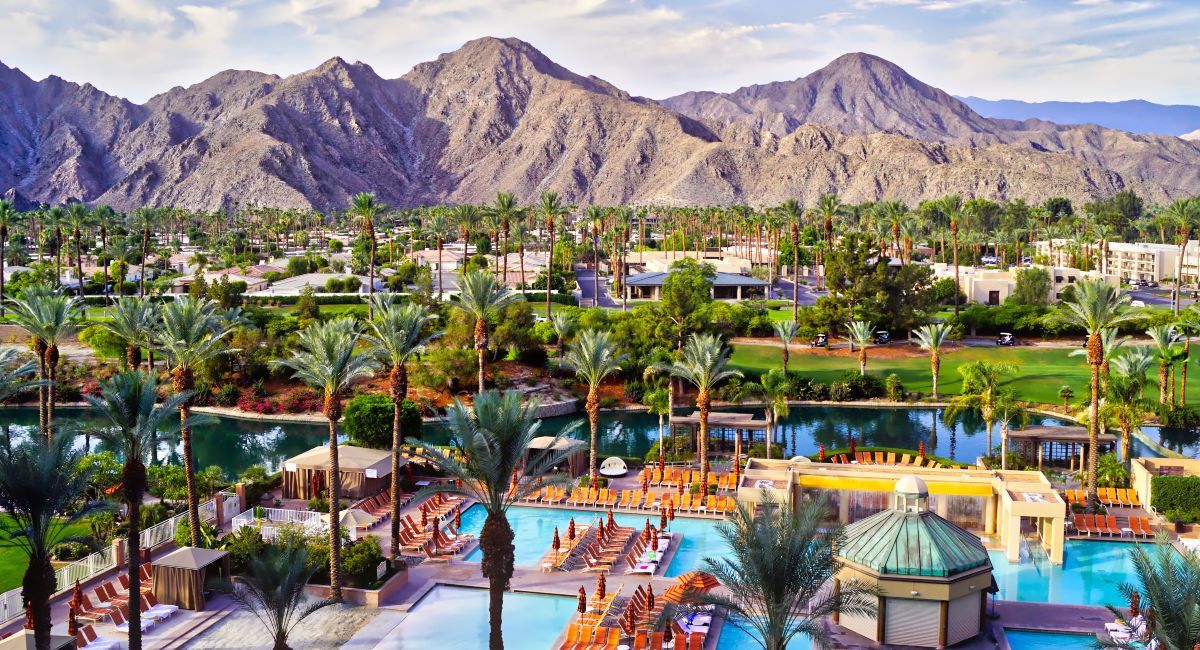
- Yuma. One of the state's most established snowbird hubs, with resort-style parks like Araby Acres running full winter seasons and monthly rates typically in the $350–$1,000/month range depending on amenities. Yuma also sits closest to the BLM's Imperial Dam Long-Term Visitor Area, so it's a natural base if you want resort comfort with boondocking-priced backup nearby.
- Tucson. Splits between developed campgrounds and BLM/Forest Service dispersed land. Catalina State Park runs full hookup sites (electric, water) at $50/night, with a cheaper no-hookup loop open January through March. Gilbert Ray Campground, run by Pima County, is open September 1–April 30 at $20/night with electric-only 30-amp hookups — worth knowing that it added a 40-foot total rig-length cap for the 2025–26 season, so double-check your rental's length before booking. The Picacho / Tucson NW KOA is a solid full-hookup fallback if the county and state sites are full.
- Lake Havasu City. The pick for anyone who wants water alongside desert winter — lakefront resorts, state parks, and a genuinely different feel from the inland desert towns. Over 300 sunny days a year is the local claim, and the RV park mix runs from BLM-adjacent budget sites to full resorts with heated pools.
- Phoenix–Mesa–Apache Junction corridor. Lost Dutchman State Park in Apache Junction has 135 sites (68 with electric and water hookups) and no RV size restrictions, at a $10–$20 vehicle entrance fee plus a modest per-night charge. Usery Mountain Regional Park near Mesa adds developed sites with hookups, and the Mesa/Apache Junction KOA is a reliable full-hookup option for renters who want to be close to city amenities without giving up desert scenery.
- Ajo. The quiet alternative if Quartzsite's crowds aren't your thing. Free BLM dispersed camping at Darby Wells Road and Gunsight Wash (standard 14-day stay limit, no hookups), plus a couple of small private RV parks in town. The Gila Bend KOA sits along the same corridor if you want a hookup night on the way in or out.
- Bouse. A lower-key, lower-cost option in the same Colorado River corridor as Quartzsite and Lake Havasu — nightly, weekly, monthly, and full-season rates are all posted upfront, which makes it easy to budget against the bigger-name towns nearby.
- Organ Pipe Cactus National Monument (near Ajo). For renters who want a national-park-caliber setting, Twin Peaks Campground takes RVs up to 45 feet at $20/night (no hookups, dump station on site), though there's a 21-consecutive-day stay limit during the December–April peak season and a separate park entrance fee.
- Casa Grande. A corridor town between Phoenix and Tucson with a cluster of 55+ resort communities — golf, pickleball, and pool amenities are the draw here more than desert solitude.
BLM boondocking vs. a paid RV park — what does a winter actually cost?
This is the single biggest "it depends" in Arizona snowbird planning, and most competitor content gestures at it without giving you real numbers. Here's the honest spread.
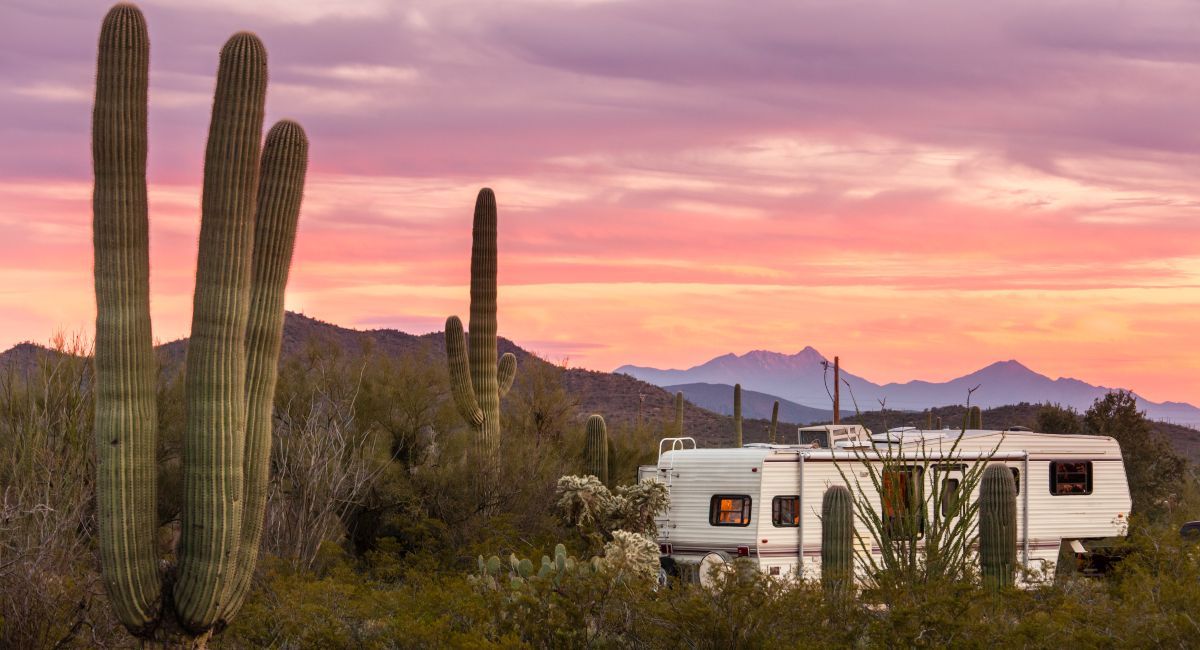
- BLM Long-Term Visitor Area (LTVA) season permit: $180, verified directly against blm.gov. Covers continuous or intermittent use of any Arizona LTVA — La Posa (near Quartzsite), Imperial Dam (near Yuma), and several others — from September 15 through April 15. No hookups, but LTVAs have vault toilets, water stations, and dump stations.
- BLM LTVA short-visit permit: $40 for any 14-consecutive-day stay within the same season window, renewable as many times as you want.
- State park with full hookups: around $50/night (Catalina State Park's electric-and-water sites) — the middle tier between free-ish boondocking and a resort.
- County/regional park, electric-only: around $20–$32/night depending on the park.
- Full-hookup private resort: realistically $350–$1,200/month, which stacks up to roughly $2,000–$6,000+ for a 4–5 month season depending on amenities and location.
We've heard from renters who assumed "boondocking" meant roughing it without any services nearby, and were surprised that LTVAs come with dump stations, water fill points, and — at La Posa specifically — a decal system that lets you move between Arizona's different LTVAs on one permit. If your rental is self-contained (fresh tank, gray/black tanks, generator or solar), a $180 season permit is a genuinely viable way to spend a winter for a fraction of resort cost — a self-contained small RV rental is the easiest way to go this route without owning your own rig. If you're staying the full season either way, it's also worth comparing that cost against a long-term RV rental rate before you commit. If you want a pool, full hookups, and a fixed address for the season, budget resort-level.
What's Arizona's winter weather actually like?
Warm — but only in the southern half of the state, and with bigger day-to-night swings than a lot of first-time snowbirds expect. January average highs run 65–71°F across Yuma, Lake Havasu City, Phoenix, Tucson, and the Organ Pipe/Ajo area, with lows typically in the 39–48°F range overnight. That's a real day-night spread — plan layers, not just shorts.
Compare that to northern Arizona: Flagstaff and the Grand Canyon area average a 44°F high and 19°F low in January — genuinely cold, with snow. If your rig or your route takes you anywhere near Flagstaff, Sedona's higher elevations, or the Grand Canyon on the way in or out, that's a different trip than the desert floor, and worth checking a forecast for rather than assuming "Arizona" means warm everywhere.
We've watched first-timers pack for a Phoenix-brochure version of "Arizona winter" and get caught out by a 40-degree overnight drop in the same 24 hours they were in shorts. A few practical notes:
- Cold snaps happen. Occasional freeze warnings hit the low desert a few nights a winter. Know where your fresh-water hose and any exposed plumbing are before a cold night catches you off guard.
- Wind matters more than most people expect in open desert camping — La Posa and similar LTVAs are flat and exposed. Stake down anything loose.
- Sun exposure is real even in "cool" months. January in Yuma still means real UV — sunscreen and shade matter even when it's not hot.
How far ahead do you need to book?
Aim for six months to a year out for anything popular in January–March, especially full-hookup resorts and reservable state or national park sites. Renters we talk to who show up in December looking for a January site at a name-brand resort are often out of luck — those book from the previous spring.
A few booking specifics worth knowing:
- Recreation.gov sites (like Organ Pipe's Twin Peaks Campground) open reservations up to six months ahead.
- Arizona State Parks (Catalina, Lost Dutchman) take reservations well ahead of peak season — book as soon as your dates are firm.
- BLM LTVAs don't take reservations at all — permits are bought on arrival or ahead of time online, and space is available on a first-come basis within the LTVA boundary. This is actually one of the few "just show up" options left in Arizona winter camping, which is part of why boondockers who can't commit to exact dates gravitate there.
- Private resorts vary — some take seasonal reservations a year out, others run more month-to-month. Call ahead rather than assuming either way.
Key takeaways
- Snowbird season: roughly October–April, peak January–March. BLM's official long-term camping window is September 15–April 15.
- The cost spread is huge: a $180 BLM season permit vs. $2,000–$6,000+ for a full resort season — pick based on how self-contained your rig is and what amenities matter to you.
- Quartzsite is one stop, not the whole map. Yuma, Tucson, Lake Havasu City, the Phoenix–Mesa corridor, Ajo, Bouse, and Organ Pipe Cactus National Monument all have real winter RV options.
- Southern Arizona is genuinely warm (65–71°F highs); northern Arizona is genuinely cold. Don't let "Arizona" fool you if your route touches Flagstaff or the Grand Canyon.
- Book six months to a year out for anything popular in peak season — BLM LTVAs are the exception, since they don't take reservations at all.
About this guide
This guide was prepared by the Outdoorsy editorial team. BLM Long-Term Visitor Area permit pricing and season dates ($180 season / $40 short-visit, September 15–April 15) were verified directly against the BLM La Posa Long Term Visitor Area page on July 3, 2026. Organ Pipe Cactus National Monument camping fees and seasonal stay limits were sourced from the NPS Organ Pipe Cactus camping page. Arizona State Parks fees were sourced from the Catalina State Park camping page and the Lost Dutchman State Park camping page. Gilbert Ray Campground's 2025–26 rig-length rule and fees were sourced from the Pima County Gilbert Ray Campground page. Regional January temperature data is drawn from NOAA's 1991–2020 Climate Normals. Fees, permits, and stay limits change season to season — confirm current pricing before you book.