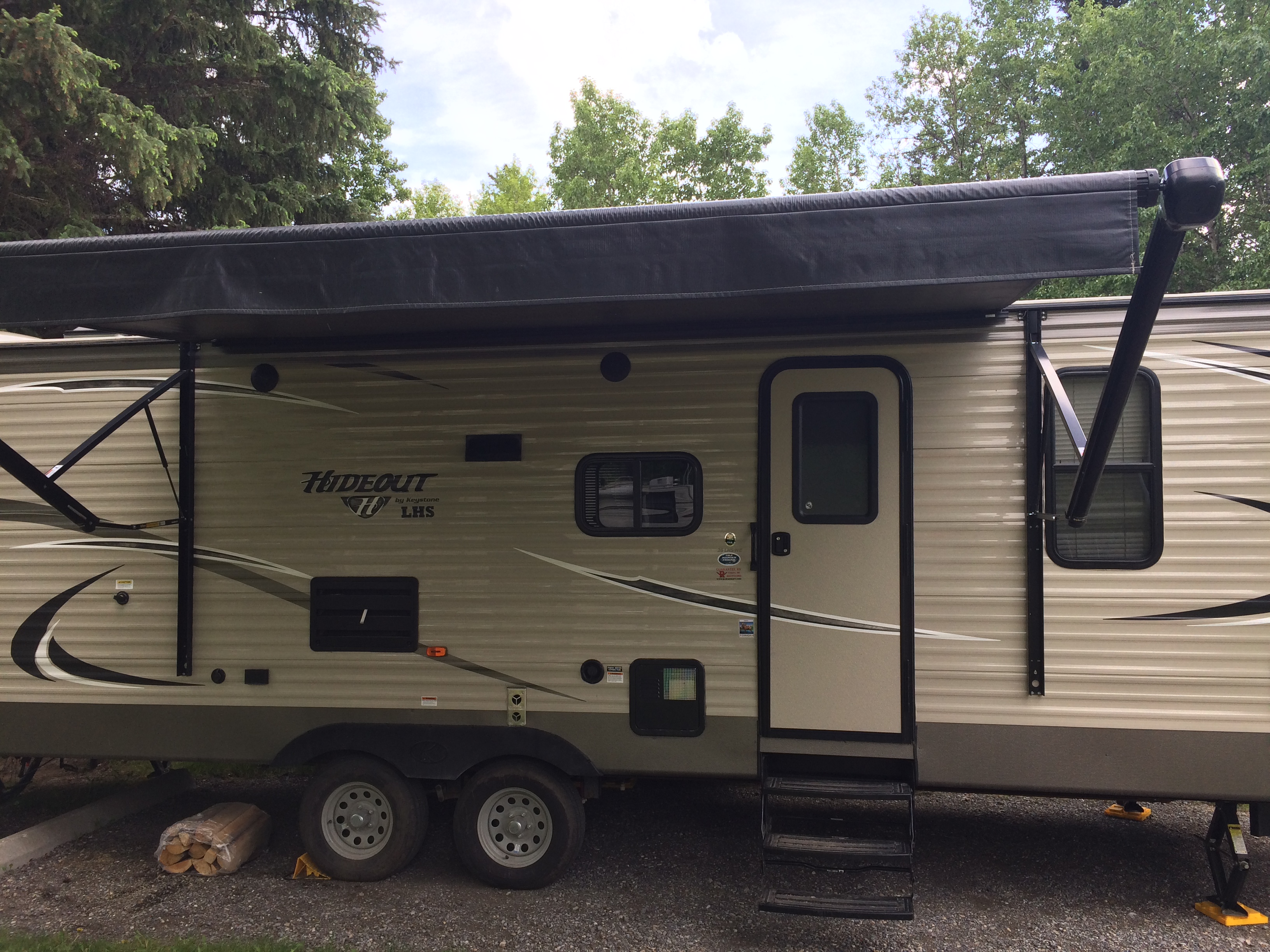
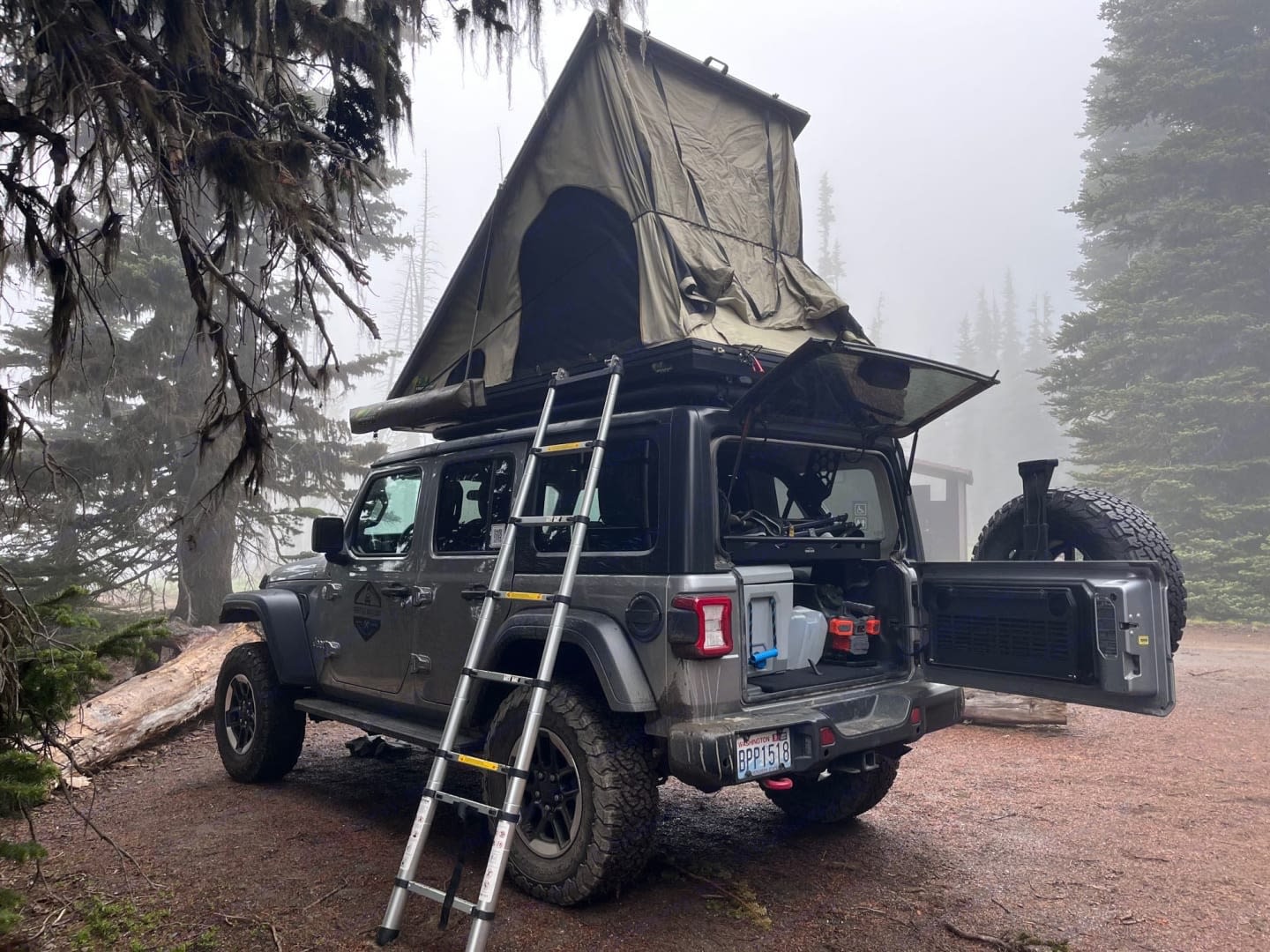
Olympic National Park offers exceptional RV camping across 16 campgrounds with over 900 sites, featuring three distinct ecosystems, including temperate rainforests, rugged Pacific coastline, and alpine meadows with year-round outdoor adventures. Kalaloch and Sol Duc provide the most RV-friendly facilities inside the park, while strategic locations like Port Angeles RV rentals and Seattle RV rentals offer prime access to this 922,000-acre UNESCO World Heritage Site that welcomed 3.7 million visitors in 2024, ranking as America's 8th most-visited national park.
Spanning nearly one million acres of pristine wilderness across Washington's Olympic Peninsula, Olympic National Park captures the breathtaking diversity of the Pacific Northwest. Famous for protecting three distinct ecosystems within a single park boundary, Olympic showcases everything from moss-draped temperate rainforests receiving over 12 feet of annual rainfall to glacier-carved mountain peaks reaching nearly 8,000 feet and 73 miles of rugged Pacific coastline with sea stacks and tide pools. Olympic is the ultimate RV adventure since it offers unparalleled variety, from exploring the lush Hoh Rainforest where ancient Sitka spruce tower overhead to hiking Hurricane Ridge's alpine meadows with panoramic mountain views and beachcombing along wild coastal stretches at Rialto Beach and Kalaloch.
You will be in store for a world of limitless adventure during your RV trip to Olympic, from hiking over 600 miles of trails and soaking in Sol Duc Hot Springs to wildlife viewing and tide pooling. You can photograph Roosevelt elk grazing in Hoh River Valley meadows or explore pristine mountain lakes like Crescent and Quinault. There is no shortage of great spots for photography and nature study, from Artist's Point views of Mount Olympus to the dramatic sea stack formations at Second Beach. You will want to bring your binoculars because you will encounter diverse wildlife, from black bears and mountain goats to bald eagles, harbor seals, and over 300 species of birds.
The summer is peak season for RVers and visitors since temperatures typically reach a comfortable 60 to 75 degrees in lower elevations, though coastal areas remain cooler with frequent fog. The late spring and early fall are wonderful times to visit, too, with mild temperatures, emerging wildflowers, and lighter crowds on popular trails. In the colder months, Olympic National Park transforms into a winter wonderland at higher elevations while coastal and lowland areas remain surprisingly mild and accessible. While Hurricane Ridge Road closes seasonally due to snow, many campgrounds operate year-round, offering opportunities for storm watching, rainforest exploration, and peaceful winter escapes. No matter what time of year you take your RV road trip to Olympic National Park, you will be in for an unforgettable Pacific Northwest adventure that you will never forget.
The park experienced record visitation in 2024 with 3.7 million recreational visitors, representing a 28% increase over 2023's 2.9 million visitors. This surge makes advance planning essential for securing campground reservations, especially during peak summer months (July-August) when popular campgrounds like Kalaloch, Sol Duc, and Mora can fill weeks in advance.
You can access Olympic National Park through multiple entrances around the peninsula, all manageable for RVs, though some routes require extra caution. The most popular access point is through Port Angeles on US Highway 101, which circles the entire Olympic Peninsula. Hurricane Ridge Road (accessed from Port Angeles) climbs steeply with sharp switchbacks—exercise caution with larger rigs and consider leaving your RV at a lower elevation campground and driving your tow vehicle. Most interior park roads are well-maintained but narrow and winding, with some sections unsuitable for RVs over 21 feet. The maximum combined RV and towed vehicle length is typically 35 feet on most park roads, though this varies by location.
Port Angeles Gateway Access: Port Angeles positions you perfectly for Olympic's northern entrances, providing year-round access to Hurricane Ridge (weather permitting), Elwha Valley, and Sol Duc areas. This gateway city offers full services, including RV supplies, groceries, and the Olympic National Park Visitor Center, with only 5 miles separating downtown from park boundaries.
Seattle Metropolitan Access: Seattle offers the widest selection of rental rigs and convenient access via the Seattle-Bainbridge Island ferry or by driving around Puget Sound via Tacoma. Located approximately 2.5 hours from Port Angeles, Seattle provides excellent fly-and-drive opportunities for visitors arriving by air, making it ideal for travelers flying into Sea-Tac International Airport.
Tacoma Alternative Access: Tacoma RV rentals provide another metropolitan option approximately 2 hours from Olympic's eastern entrances, offering competitive pricing and convenient positioning for visitors approaching from the south or the I-5 corridor.
Located in old-growth forest along the Sol Duc River, this 82-site campground operates year-round with reservations available May 26 through September 15 via Recreation.gov (first-come, first-served rest of year). Most sites accommodate RVs up to 21 feet, with a few sites suitable for rigs up to 35 feet. Summer amenities include flush toilets and running water; winter facilities are primitive with pit toilets only. The dump station costs $10/use. Conveniently located next to Sol Duc Hot Springs Resort, campers enjoy easy access to natural hot spring pools (separate admission), Sol Duc Falls Trail (0.8 miles), and trailheads leading to Seven Lakes Basin. Each site includes picnic tables, fire rings, and food storage lockers.
Central to the Olympic Peninsula, the Olympic Peninsula/Port Angeles KOA is a great campground choice if you are looking to stay outside of the park. The campground is surrounded by forests, glaciers, hot springs, lakes, waterfalls, and features dozens of sites that vary from being electrical or primitive. Other amenities within the campground include a pool and hot tub, a pavilion, a playground, a dog park, bike rentals, a convenience store and souvenir shop, and a dump station.
The location of the park also means that you can easily explore the Olympic Game Farm, the Marine Life Center, Port Angeles’ historic downtown boutiques, or the Twilight Saga’s real-life setting in Forks, Washington.
One of only two campgrounds accepting reservations at Olympic National Park, Kalaloch campground offers 170 sites perched on a bluff overlooking the Pacific Ocean near Kalaloch Lodge. Open year-round with reservations available June 1 through September 15 via Recreation.gov (first-come, first-served rest of year), this campground features sites for RVs up to 35 feet, though most accommodate rigs under 21 feet. Amenities include flush toilets, potable water, and a dump station ($10/use). Each site includes fire pits with grates, picnic tables, and animal-proof food storage. Kalaloch provides unparalleled beach access and storm-watching opportunities during the winter months, making it the park’s most popular coastal campground.
Featuring old-growth forests decorated with moss and the unique Sol Duc Falls, Sol Duc Valley is a great destination in the Spring. There are a variety of hiking and nature trails for you to explore, many of which are leisurely strolls. Visitors can sometimes also spot salmon swimming up the Sol Duc River Overlook and a variety of other wildlife throughout the valley.
One of the most overlooked jewels of Olympic National Park is Upper Lena Lake. The hike is not for the faint of heart, but it is achievable and makes for a great day out in nature. You will love the beautiful lake views and the excellent vantage points of Mount Bretherton and Mount Lena that you will have. Visitors in late spring may also decide to take a dip in the chilly waters, but be aware that there are likely to be chunks of ice still floating at the surface.
The best season to drop your canoe or kayak into the Elwha River is during the spring when the river is full of snowmelt and spring rains. There are several locations where you can start your river journey, including the Altair Campground or Glines Canyon. Be sure to check in with the ranger station to verify that the river is clear of debris or log jams. They will have the most current information available to help you steer clear of any affected routes, so remember to do so.
You can park your RV at designated campgrounds and day-use parking areas throughout the park. Parking at popular destinations like Hurricane Ridge, Hoh Rainforest, and Sol Duc can be extremely limited during peak season, with RVs competing for spaces designed primarily for passenger vehicles. Arrive early (before 10 AM) during the summer months to secure parking at popular trailheads. RV parking is prohibited at some smaller trailheads and beach access points—always check posted restrictions before attempting to park larger vehicles.
Although public transportation is not offered within the park, seasonal shuttle services operate between Port Angeles and Hurricane Ridge during peak summer months. Several private tour companies offer guided day trips from Seattle and Port Angeles to popular park destinations. Once inside the park, you will need a vehicle to access different areas, as distances between ecosystems can exceed 100 miles around the peninsula. Bicycles are permitted on paved roads but not on trails, making cycling a viable option for exploring areas near your campground.
Located on the western shore of Lake Crescent, Fairholme offers 88 sites in a forested setting. Open late May through September, this campground accommodates RVs up to 21 feet. Flush toilets and potable water are available. The campground provides direct lake access for boating, swimming, and fishing. Lake Crescent's crystal-clear waters reach depths of over 600 feet, making it one of Washington's most scenic alpine lakes. Sites include picnic tables, fire rings, and food storage.
Located on a bluff that offers amazing views to the Pacific Ocean, South Beach Campground is a great choice for RV campers looking to stay within Olympic National Park. There are 55 sites for you to choose from, and all of them have views to the ocean, a concrete picnic table, and fire pit. Most sites can accommodate a rig up to 21 feet long, while others are open to RVs up to 35 feet long.
South Beach Campground doesn't have a whole lot of amenities, but there are flush toilets. Please note that there is no potable water or dump station available but can use the dump station at Kalaloch Campground as needed.
All of the 55 sites at South Beach Campground are available on a first-come, first-served only basis and can be used between mid-May and mid-September each year.
Open year-round with 47 RV-friendly sites, Staircase sits in a riverside old-growth forest near Lake Cushman. The campground accommodates RVs up to 35 feet. Summer facilities include flush toilets and potable water; winter operation is primitive with pit toilets only and no water. Each site includes fire rings, picnic tables, and animal-proof food lockers. The location provides access to trails leading to Flapjack Lakes and First Divide, popular with hikers and backpackers.
Situated deep in the famous Hoh Rainforest, Hoh campground has 88 sites and offers an immersive temperate rainforest experience. Open year-round, most sites accommodate RVs up to 21 feet, with a few sites handling rigs up to 35 feet. Flush toilets and potable water are available with a dump station ($10/use). During summer, ranger-led evening programs provide educational opportunities about rainforest ecology. The Hall of Mosses Trail (0.8-mile loop) and Spruce Nature Trail (1.2-mile loop) depart directly from the campground. Sites include picnic tables, fire rings, and bear-proof food lockers.
This 30-site primitive campground in the Quinault Rainforest operates year-round with sites accommodating RVs up to 21 feet. Facilities are basic with pit toilets and no potable water (bring your own or purify from nearby streams). The remote location at the road's end provides access to backcountry trailheads, including the Enchanted Valley Trail. Sites include picnic tables and fire rings. The campground's isolation offers exceptional solitude for RVers seeking a wilderness experience.
Open year-round with 47 RV-friendly sites, Staircase sits in a riverside old-growth forest near Lake Cushman. The campground accommodates RVs up to 35 feet. Summer facilities include flush toilets and potable water; winter operation is primitive with pit toilets only and no water. Each site includes fire rings, picnic tables, and animal-proof food lockers. The location provides access to trails leading to Flapjack Lakes and First Divide, popular with hikers and backpackers.
Located on the shores of Ozette Lake, this primitive 15-site campground operates year-round. Sites accommodate RVs up to 21 feet. Pit toilets and potable water are available. The campground serves as the trailhead for the Cape Alava Trail (3.3 miles) and Sand Point Trail (3 miles), which lead to Olympic's northernmost coastal areas featuring petroglyphs and pristine wilderness beaches. The remote location requires a 21-mile drive on mostly gravel roads from Highway 112.
This small 20-site campground in the Queets Rainforest operates year-round with sites for RVs up to 21 feet (16 feet recommended due to narrow access). Pit toilets and no potable water (river water must be filtered/purified). The remote location offers solitude and rainforest immersion with access to the Queets River Trail. Sites include picnic tables and fire rings.
Open year-round with 29 primitive sites, July Creek sits along the Quinault River. Sites accommodate RVs up to 21 feet. Pit toilets are available, but no potable water. This campground provides access to Quinault Rainforest trails and fishing opportunities. Sites include picnic tables and fire rings.
Located along the Elwha River, this 40-site campground operates year-round with sites for RVs up to 21 feet. Pit toilets are available, but water availability varies by season. The campground provides access to trails exploring the Elwha River valley, which is undergoing dramatic ecological restoration following dam removal in 2011-2014. Sites include picnic tables, fire rings, and food storage.
This high-elevation campground offers 14 sites at 5,400 feet. Open June through September (weather dependent), the narrow, winding gravel access road is NOT suitable for RVs—tent camping and small vehicles only. The campground provides spectacular mountain views and wildflower meadows. Pit toilets are available, but no water. Suitable only for adventurous tent campers willing to navigate the challenging access road.
Although you cannot take your RV into the backcountry, you can obtain a permit for overnight camping in the more secluded areas of the park if you are wanting to get away from it all. Wilderness camping is very different from the cozy environment of the RV. Even spending one night in the wilderness is an amazing experience, especially if you have planned a trip for a week or more. Sleep under the stars, or pack a tent, just be certain that your food and supplies are stored in such a way that wildlife is not drawn to your camp.
If the amenities of a lodge sound appealing and you are looking for something different to RV camping, you can stay at one of the cozy lodges located in the park.
Operated by a park concessionaire, this premium facility offers 17 RV sites with full hookups (water, electric, sewer) accommodating rigs 26-36 feet. Located approximately 1/4 mile from Sol Duc Hot Springs Resort's main lodge, the campground operates late March through early October. Each site includes picnic tables and fire pits. No public restrooms or showers at RV area—guests use resort facilities and hot spring pools (separate admission). The location provides convenient access to resort dining, a gift shop, and natural hot spring pools.
Situated on Lake Crescent's north shore, Log Cabin Resort offers RV sites with full hookups. Operating May through early October, the resort features boat rentals, a general store, laundry facilities, a restaurant, and bathroom facilities with showers. The scenic lakeside location makes this a popular choice for water enthusiasts. Contact the resort directly for current rates and availability.
Explore more RV parks and campgrounds near Olympic National Park across Washington State for your next adventure.
Some of the greatest views of the Olympics are available at Hurricane Ridge. Pack a lunch and drive up to the upper parking lot to take in scenic vistas of Mount Olympus, the Bailey Range, as well as a variety of terrains and wildlife below. Visitors can also hike up Hurricane Hill to catch of glimpse of Port Angeles and the Strait of Juan de Fuca on clear days. Be sure to check road conditions, especially in early spring when snow conditions sometimes require vehicles to carry snow chains for tires.
There are many opportunities to cast a line at Olympic National Park thanks to the many lakes, rivers, and streams flowing throughout the park. Salmon, trout, and char are just a few of the wild fish thriving in the local waters that are popular to catch. Visitors should be aware of the regulations regarding fish and shellfish and be aware of any regulation changes. Depending on the season, you may be required to obtain a license or a catch record card as well.
Carved by glaciers thousands of years ago, Lake Crescent is deep, cool, and full of clear blue waters. Visitors can enjoy several beaches and picnic areas around the lake, along with access to multiple trails nearby as well. You can also paddle a canoe or kayak across the reflective surface of the lake to enjoy scenic views all around. Whether you are hiking, swimming, fishing, or paddling, spending a day at Lake Crescent will be very enjoyable.
Summer nights are often warm and much drier than any other time of year at Olympic National Park. This environment means there are clear skies that offer amazing nighttime views of celestial bodies. Another reason why stargazing is great is because there is very little light pollution in or around the park. The Astronomy Program allows visitors to join a Master Observer and use telescopes to view the various stars, constellations, nebulae, and our neighboring planets. There are also featured full moon hikes to the top of Hurricane Hill that offer you a special glimpse of the moon and the wilderness lit up in the moon’s soft glow.
The Elwha River Valley site of one of largest ecosystem restoration projects ever taken on by the National Parks Service. For decades, dams altered the natural flow of the entire ecosystem here, however, thanks to a law passed in 1992 by Congress, both dams have now been removed. This has resulted in salmon are spawning in the park again for the first time in years. The newly beautiful area also has a variety of picnic areas, hiking trails, as well as views of the beautiful Madison Falls.
While wildlife can be found all throughout the park, there are some special discoveries waiting for you to make at Ruby Beach. During the low tides, tidepools are left all along Ruby Beach that are full of amazing life forms. From pink algae and green anemones to starfish and seashells, you are certain to be amazed and entertained. Be sure to check the tide times during your visit, as the pools are covered during high tide. The park also suggests bringing a container for any garbage or litter you may find along the way so you can help to keep the beach beautiful.
While there are only a few trails available in the Hoh Rainforest, the Hall of Mosses is a must-do. This short, leisurely and relatively easy trail is around a mile long and will give you the chance to see there lush green rainforest, with moss cloaking everything from tree trunks to the forest floor. If you are lucky you may also see wildlife in the early mornings or just before sunset.
As long as you visit prior to the first snow in late fall, Deer Park is the perfect location for views of the Olympic Mountains and the Salish Sea. The beautiful fall colors of high alpine plants in both the forests and meadows are simply awe-inspiring. There are few other locations in the park offering views of the Gray Wolf River Valley, so if this is on your to-do list you really should go to Deer Park. If you find the road has been closed for the winter season an alternative plan is to check out the views from Hurricane Ridge.
The Staircase Loop Trail is a great way to take in the magnificence of the old forests, spotting wildlife and various colors during the fall months. One of the main attractions to this trail is observing the beautiful Douglas-firs that dominate the southeast section of the park. There are a multitude of wilderness destinations in the Staircase area as well, but if you are thinking about a longer trip in this area you will need a permit for any overnight hikes or camping.
If you are interested in seeing some salmon action during your trip to Olympic National Park you should check out the Salmon Cascades of Sol Duc Valley during the fall. With the restoration efforts, the ecosystem is booming, salmon species are expected to swell up to 300,000 in the future. The area is suited to nature lovers who want to witness the salmon migration and fisherman looking for a truly memorable fishing trip.
Few places are as beautiful as the Royal Basin is during the Fall. A classic trip for visitors to Olympic National Park, there are many activities that you can enjoy, including hiking, swimming and, of course, viewing scenic vistas. If you make your way along the Dungeness River and past Royal Creek, you will reach Royal Lake where the bright orange and reds from the leaves reflect of the clear calm water. You can also check out nearby waterfalls or head farther along the main trail to the Upper Royal Basin for even more views of glaciated mountains.
The Ozette area of Olympic National Park is simply sensational. Although you may not find a multitude of fall colors, there is much to admire when visiting one of the most remote locations in Washington. Sea stacks can be seen along several areas of coastline, and the tidepools are full of starfish and seashells. Fall storms are the highlight in this area, and, if you are lucky, you can see the ocean swells a few days before the storms make it to shore.
The Glines Canyon Spillway Overlook is a very interesting way to check out the large valley that was once Lake Mills, prior to the removal of the Elwha and Glines Dams. Thanks to the ecosystem restoration of the Elwha River Valley, wildlife is now thriving here in ways it has not been able to in decades. If you are interested in learning more about the history of the area, there are also interpretive exhibits displaying the history of the dams and their eventual removal as well.
Enjoy the best of downhill skiing, cross-country skiing, snowshoeing, snowboarding and tubing on the slopes at Hurricane Ridge Winter Sports Area. One of only two ski locations situated inside of a National Park, Hurricane Ridge is also the farthest west in the United States. Please note that with vast amounts of snowfall many of the park areas will be inaccessible to cars, and the road to Hurricane Ridge is only open Friday, Saturday and Sunday through the winter season.
Thanks to winter snow melt from the Olympics, Madison Creek Falls flourishes during the late winter to early spring months. The walk to the falls from the parking lot is quite easy and only takes around five minutes or so to arrive at the falls. Here you can enjoy spotting wildlife and greenery all along the way, and because there are fewer crowds during this time of year you can enjoy the pure sounds of the forest in seclusion.
Perhaps one of the most passed-over opportunities during the winter months at Olympic National Park is scoping out the salmon spawning site at Morse Creek. The site is hidden behind a small cabin located just a few minutes from Domaine Madeleine and is mostly unknown to the average visitor to the park. At Morse Creek, there is a variety of wild trout and two different species of salmon that use it as a primary spawning location. As fish populations in the park have been rising, the spectacle will only get better.
While Hurricane Ridge is covered in a blanket of white, the Hoh Rainforest is lush and green from the massive amounts of rainfall the region receives throughout this time of year. Keep an eye out for grazing elk in the mild temperatures of the forest, particularly where ferns and mosses thrive. Wanting to see more of the forest? Hike the Spruce Nature Trail to Hoh River and if the rain holds off it is also a wonderful place to have a picnic.