
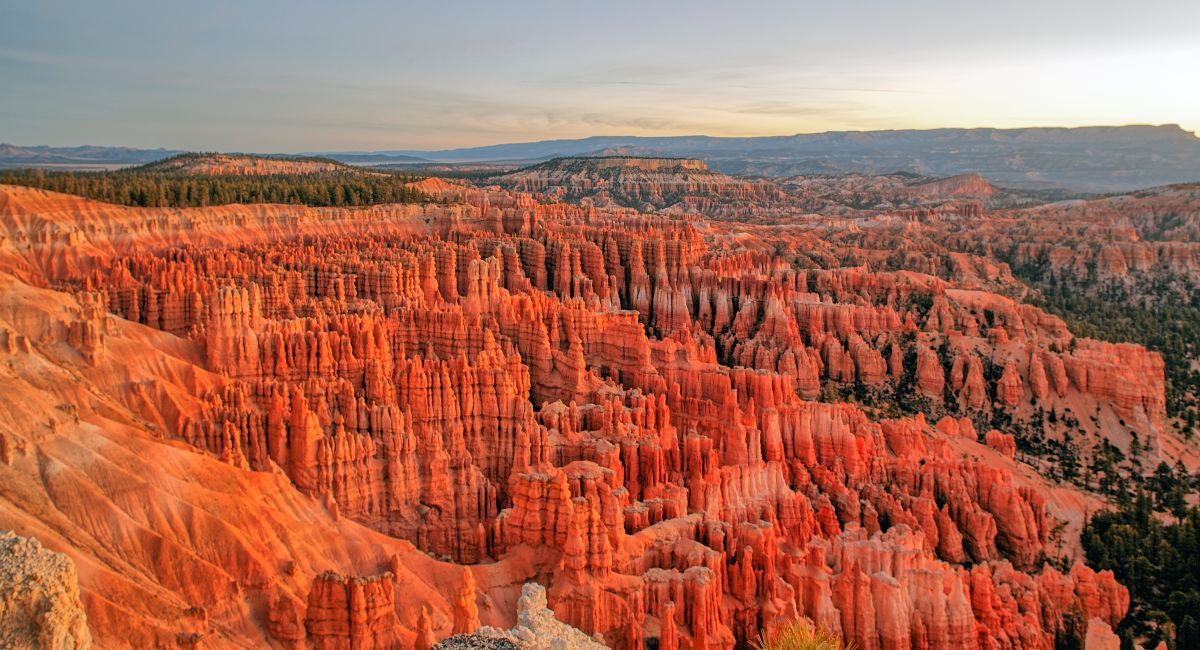
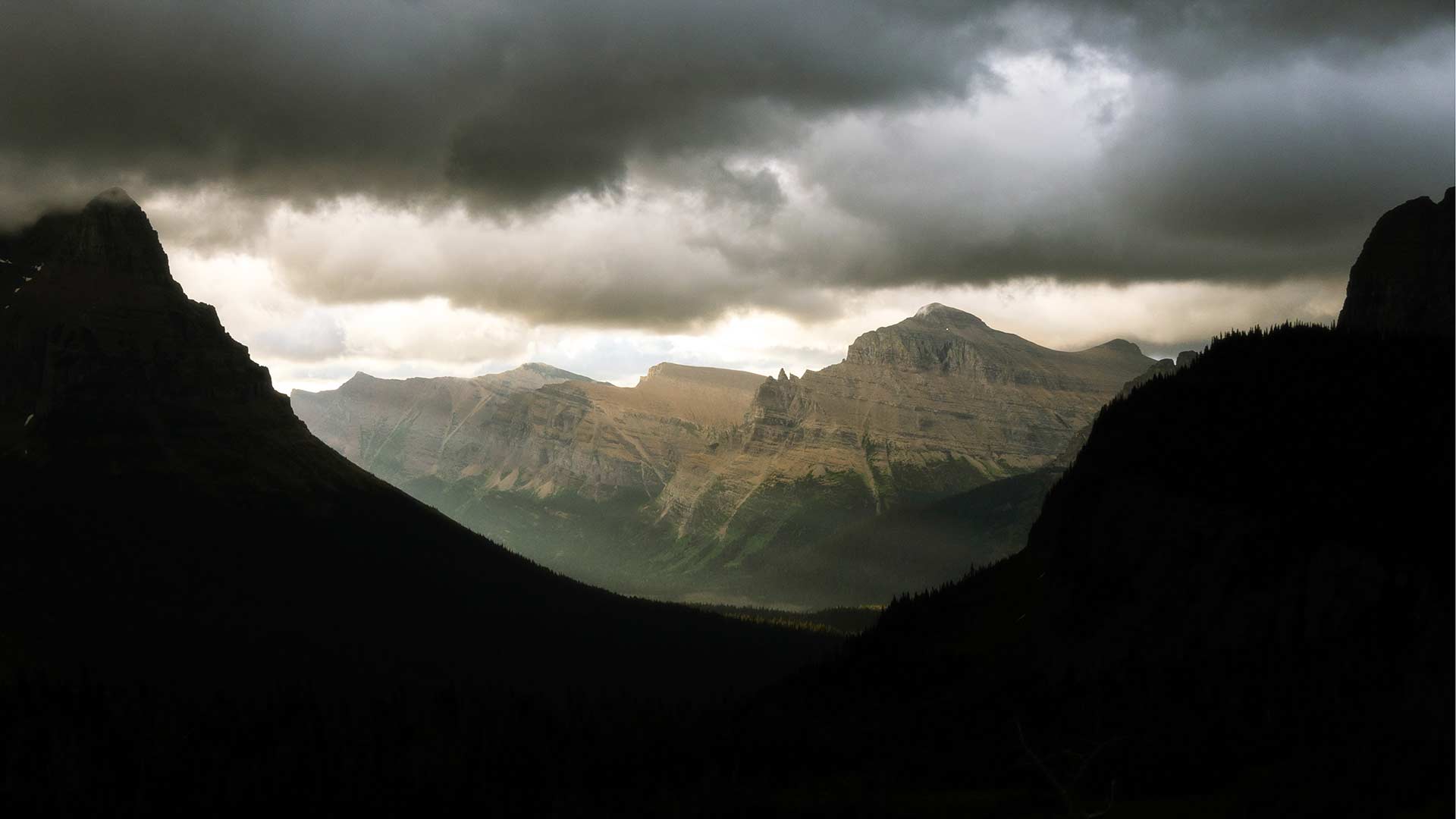
Colorado’s 14,000-foot peaks, alpine lakes, and 300+ days of sunshine create America’s ultimate RV camping destination—with over 4,000 campsites across 42 state parks plus countless national forest and private campgrounds. The best RV campgrounds in Colorado blend breathtaking mountain scenery with excellent amenities, from full-hookup sites near Denver and Boulder to rustic spots in Rocky Mountain National Park. Whether you’re chasing wildflowers in summer, golden aspens in fall, or powder snow access in winter, Colorado delivers year-round camping at elevations ranging from 4,000 to 10,000+ feet. From family-friendly KOAs with mountain views to backcountry sites where elk bugle at dawn, the Centennial State welcomes RVers with endless adventure.
What Makes Colorado the Best State for Mountain RV Camping?
Colorado’s unmatched combination of dramatic Rocky Mountain scenery, consistently sunny weather, world-class outdoor recreation, and excellent camping infrastructure makes it America’s premier mountain RV destination for adventurers of all experience levels.
The statistics tell the story: Colorado Parks & Wildlife manages 42 state parks with over 4,000 campsites, while national forests, Bureau of Land Management lands, and private campgrounds add thousands more options. Colorado averages 300 sunny days annually—more than San Diego or Miami—meaning you can camp comfortably from spring through fall, and even winter in lower elevations. The state protects five national parks, including Rocky Mountain National Park, which attracts over 4.7 million visitors annually.
But numbers don’t capture the magic. Where else can you wake to elk bugling outside your RV, hike trails above treeline where wildflowers carpet alpine meadows, then soak in natural hot springs before sunset? Browse Colorado campgrounds spanning mountain peaks to high desert canyons, each offering unique Colorado character.
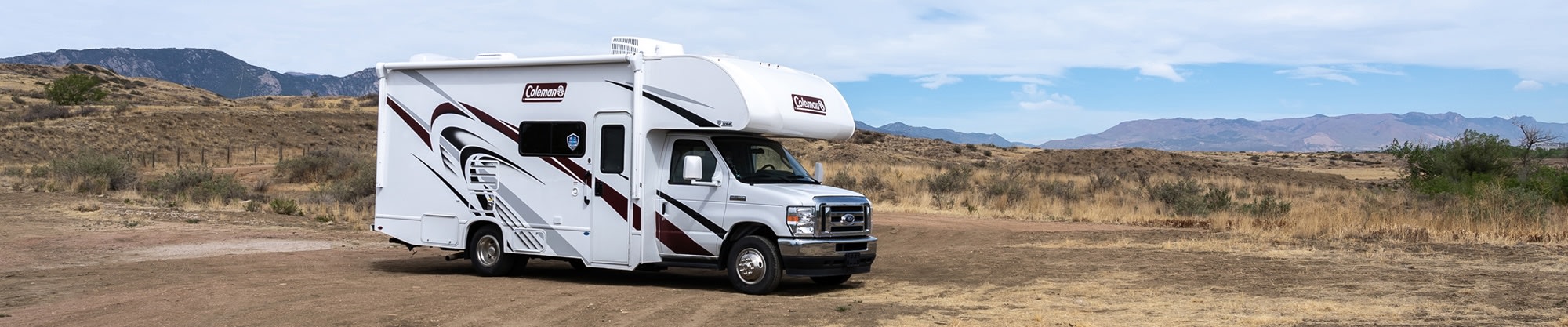
The elevation diversity matters too. Camp at 5,000 feet near Denver for mild summer temperatures, or ascend to 10,000+ feet where mountain breezes keep you comfortable even in July. Lower elevation campgrounds operate year-round, while mountain sites typically open Memorial Day through September. Need a rig? Check out Colorado RV rentals from compact camper vans perfect for mountain roads to family-sized motorhomes.
Map of RV Campgrounds in Colorado
How Do I Choose the Right RV Campground in Colorado?
Start by matching elevation and location to your target season and activities—summer camping works anywhere, but spring and fall require careful elevation planning to avoid snow closures and ensure comfortable temperatures.
Location determines your Colorado experience. Denver area campgrounds provide city access plus mountain proximity, perfect for balancing urban attractions with outdoor adventures. Boulder RV parks sit closer to Rocky Mountain National Park’s south entrance and offer immediate mountain access. Colorado Springs campgrounds position you near Pikes Peak and Garden of the Gods, while western slope destinations like Grand Junction access Colorado National Monument’s red rock canyons.
Elevation matters critically in Colorado. High-elevation campgrounds (9,000+ feet) may not open until late June due to snow and close again by September. These sites offer spectacular scenery and cool summer temperatures, but can experience freezing nights even in July. Mid-elevation campgrounds (7,000-9,000 feet) balance accessibility with mountain atmosphere, typically operating May through October. Lower elevation sites (5,000-7,000 feet) often run year-round and provide comfortable spring and fall camping.
Consider your RV type carefully. Colorado’s mountain roads include steep grades, tight switchbacks, and narrow passages. Travel trailers under 25 feet navigate most easily, while large Class A motorhomes require careful route planning. State parks often limit RVs to 35-40 feet, though many private campgrounds accommodate bigger rigs. Always check maximum RV length, hookup availability, and road conditions before booking mountain sites.
The amenities matter too. Full hookups (water, electric, sewer) cost more but provide maximum comfort—valuable at altitude where temperatures swing dramatically. Partial hookups (water and electric) work well for most RVers, while primitive sites suit adventure-seekers with self-contained rigs. Many Colorado campgrounds lack sewer hookups, so plan for dump station use.
What Are the Best RV Campgrounds Near Rocky Mountain National Park?
Rocky Mountain National Park anchors Colorado camping, but its limited RV sites fill instantly—smart RVers camp in nearby Estes Park and surrounding areas for better availability while maintaining easy park access.
Moraine Park Campground (Inside RMNP)
This legendary campground sits at 8,160 feet within Rocky Mountain National Park, offering 244 sites nestled among towering ponderosa pines with views of the Continental Divide. Sites accommodate RVs up to 40 feet, though reservations through Recreation.gov fill six months ahead of time the instant they become available. The campground provides flush toilets and potable water, but no hookups or showers. Elk commonly wander through campsites at dawn and dusk—an unforgettable experience. The location provides immediate access to park trails, including the iconic Bear Lake corridor. Summer nights cool significantly at this elevation—bring warm layers even in July.
Estes Park KOA
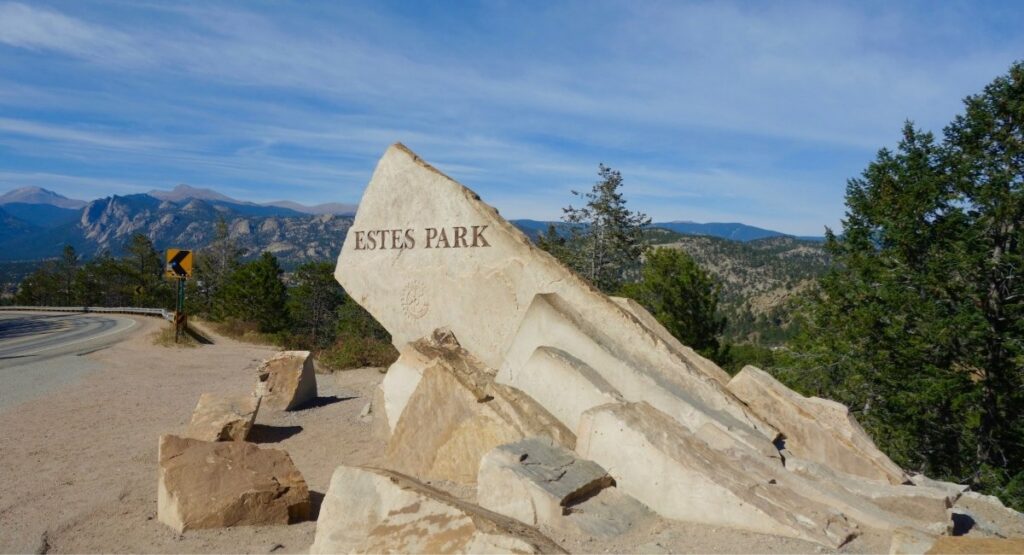
Located between Estes Park town and the national park entrance, this KOA offers 300+ sites with full hookups, WiFi, cable TV, and mountain views. The resort-style amenities include heated pools, mini golf, pancake breakfasts, and a shuttle service to both town and park entrance—perfect for families. Sites accommodate RVs up to 85 feet, with pull-through and back-in options. The convenience of full hookups means you can run air conditioning in summer or heat in shoulder seasons without generator noise. Book several months ahead for peak summer weeks.
Spruce Lake RV Resort
This Estes Park favorite combines full-hookup sites with recreational amenities including a heated pool, fly-fishing pond, and mini-golf course. Located on Highway 34 between town and the park, it’s perfectly positioned for daily RMNP visits. The resort offers organized fly-fishing trips and equipment rentals. Sites feature concrete pads accommodating large rigs, and the property’s mature trees provide some afternoon shade. It’s pricier than RMNP campgrounds but delivers resort comfort after long hiking days.
Glacier Basin Campground (Inside RMNP)
Another RMNP campground, Glacier Basin, sits at 8,600 feet with 150 sites near the park’s east entrance. RVs up to 35 feet fit most sites, though no hookups exist. The elevation provides spectacular stargazing—RMNP earnedthe International Dark Sky Park designation. Reservations open six months ahead and disappear within minutes. The nearby Glacier Gorge Trailhead accesses stunning alpine lakes and 14,000-foot peaks. Black bears frequent this area, so proper food storage is mandatory.
Where Can I Find Full-Hookup RV Parks in Colorado?
Colorado’s private RV resorts deliver full hookups with mountain views, though state parks and national forests rarely offer sewer connections—plan accordingly for your comfort needs and camping style.
Golden Eagle RV Park (Colorado Springs)
This spacious resort sits on 40 acres with 200 sites offering full hookups, cable TV, and WiFi. The property features 12 miles of private hiking trails, a heated pool, and stunning Pikes Peak views. Sites accommodate RVs up to 70 feet, with many pull-through options. The location provides easy access to Colorado Springs attractions, including Garden of the Gods and Pikes Peak Highway. The elevation (6,200 feet) keeps summer temperatures pleasant while allowing year-round operation. Monthly rates attract snowbirds and digital nomads seeking extended mountain stays.
Tiger Run RV Resort (Breckenridge)
At 9,600 feet elevation near Breckenridge, this resort offers 118 full-hookup sites with jaw-dropping mountain views. Open May through October, it provides the rare combination of full services at high elevation. Sites fit RVs up to 45 feet, and the location puts you minutes from world-class skiing (winter parking available for ski season visitors), hiking, mountain biking, and historic mining towns. The resort features hot tubs, recreation rooms, and organized activities. Book far ahead for summer—this is Colorado’s most sought-after high-elevation full-hookup park.
Pikes Peak RV Park & Campground
Nestled in Manitou Springs between Colorado Springs and Garden of the Gods, this intimate campground offers 100 sites with full hookups beneath towering cottonwoods. The creek running through the property creates a soothing ambiance, and the location provides walking access to Manitou Springs’ shops and restaurants. Sites accommodate various RV sizes, though large rigs should verify specific site dimensions. The elevation (6,400 feet) allows comfortable year-round camping. Garden of the Gods, Pikes Peak Highway, and Cave of the Winds sit minutes away.
Cherry Creek State Park (Near Denver)
Just 12 miles from downtown Denver, Cherry Creek offers the rare combination of state park beauty with urban proximity. The park provides 147 sites with electric hookups (30/50-amp), though no sewer or water at individual sites. The 880-acre reservoir offers swimming, boating, fishing, and paddleboarding. The location serves perfectly as a Denver basecamp while providing immediate outdoor recreation. Mile-high elevation (5,550 feet) means comfortable summer camping. The park’s popularity requires advance Colorado State Parks reservations.
What Are Colorado’s Best Lakeside RV Campgrounds?
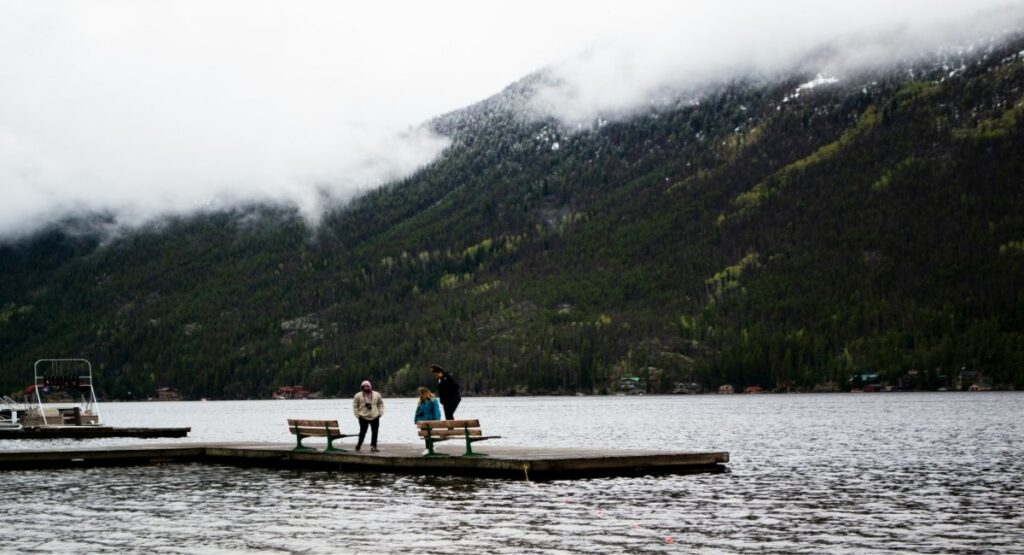
Colorado’s alpine lakes and reservoirs create stunning camping settings, combining water recreation with mountain scenery for the perfect summer RV experience at elevations that keep temperatures comfortable.
Lake Pueblo State Park
Just west of Pueblo at 4,900 feet, this reservoir offers over 400 campsites with electric hookups spread across multiple campgrounds. The 60-mile shoreline provides beaches, marina access, boat ramps, and excellent warm-water fishing for walleye, bass, and catfish. Rock Canyon swim beach features sandy shores, rare in Colorado. The reservoir’s lower elevation means it opens earlier and closes later than Mountain Parks, extending your camping season. Arkansas Point Campground sits closest to Pueblo with the most amenities, including full hookups at some sites.
Ridgway State Park
Surrounded by the dramatic San Juan Mountains near Telluride, Ridgway Reservoir sits at 6,870 feet with 260 campsites offering electric hookups. The turquoise waters and mountain backdrop create one of Colorado’s most photogenic camping locations. The reservoir provides excellent trout fishing, kayaking, and swimming, while surrounding trails offer hiking and mountain biking. The park operates May through October, with sites accommodating RVs up to 35 feet. Dallas Creek Campground features the most desirable sites with direct reservoir views.
Grand Lake (Shadow Mountain Area)
On the western edge of Rocky Mountain National Park, the Grand Lake area offers multiple national forest campgrounds around Shadow Mountain Reservoir and Lake Granby. Sites provide basic amenities (vault toilets, no hookups) but deliver spectacular scenery at 8,400 feet. The location serves as RMNP’s quieter western entrance while providing excellent fishing and boating. Several private RV parks in Grand Lake town offer full hookups for those wanting more amenities. The area’s high elevation means summer-only operations (June-September).
Blue Mesa Reservoir (Curecanti National Recreation Area)
Western Colorado’s largest lake offers multiple campgrounds along 96 miles of shoreline. Elk Creek Campground provides 179 sites with electric hookups at an elevation of 7,520 feet, accommodating RVs up to 35 feet. The reservoir’s deep, clear waters create Colorado’s premier trout and salmon fishing destination. The dramatic Gunnison River canyon provides stunning scenery, and nearby Black Canyon of the Gunnison National Park adds geological wonders. The area operates May through October with consistently pleasant summer weather.
Which Colorado Campgrounds Are Best for Hiking and Mountain Biking?
Colorado’s extensive trail networks make almost any campground a great base for hiking and biking, but these locations provide exceptional immediate trail access and variety for outdoor enthusiasts.
Mueller State Park
At 9,500 feet near Pikes Peak, this 5,000-acre park offers 132 sites with electric hookups plus 55 miles of hiking and mountain biking trails. The trail network ranges from easy nature walks to challenging climbs through aspen groves and conifer forests. Wildlife viewing opportunities include elk, deer, black bears, and over 100 bird species. Sites accommodate RVs up to 35 feet, and the park operates year-round, though access requires snow tires or chains in winter. The high elevation and extensive trails make this a favorite for serious outdoor enthusiasts.
Fruita/18 Road Area
Western Colorado’s desert landscape offers world-class mountain biking, with dozens of campgrounds along 18 Road providing immediate trail access. The BLM manages most sites as free or low-cost primitive camping (no hookups). Trails range from beginner-friendly to expert technical single-track through red rock canyons and desert landscapes. The area operates year-round thanks to low elevation (4,500 feet), with spring and fall providing ideal conditions. Nearby Colorado National Monument adds dramatic hiking. Several Fruita RV parks offer full hookups for those wanting amenities between trail days.
Aspen/Maroon Bells Area
Multiple campgrounds near Aspen provide access to Colorado’s most iconic mountain scenery. Maroon Bells-Snowmass Wilderness trails lead through aspen forests and alpine meadows beneath 14,000-foot peaks. Difficult Campground (ironic name—not difficult to enjoy!) sits on the Roaring Fork River at 8,000 feet with 47 sites accommodating RVs up to 35 feet. Silver Bell and Silver Bar campgrounds offer alternatives. The area operates from June through September, with July wildflowers creating spectacular displays. The nearby Maroon Bells often appear in “most beautiful place in Colorado” lists.
Salida/Arkansas River Valley
The Arkansas River corridor from Salida south provides numerous campgrounds with mountain biking and rafting access. Ruby Mountain and Hecla Junction campgrounds sit along Highway 285, providing trail access to Buffalo Peaks Wilderness and the Colorado Trail. The area’s diverse terrain ranges from riverside trails to alpine climbs. Elevation around 7,000-8,000 feet creates comfortable summer camping with an extended season (May-October). Salida’s bike shops and outfitters support the outdoor lifestyle, and the Arkansas River provides excellent whitewater rafting.
What Are the Best Family-Friendly RV Parks in Colorado?
Colorado’s family campgrounds balance outdoor adventure with kid-approved amenities, creating memorable mountain vacations where children explore nature while parents enjoy well-equipped sites and facilities.
Jellystone Park Denver West
Located in Golden’s foothills, this Yogi Bear-themed campground delivers non-stop family entertainment. Activities include swimming pools, splash pads, mini golf, jumping pillows, and character appearances. Sites offer full hookups with WiFi and cable TV. While busy and commercial, kids absolutely love it—parents appreciate exhausted children sleeping soundly after active days. The location provides easy access to Denver attractions, Red Rocks Amphitheatre, and mountain adventures. The campground operates year-round with both summer and winter activities.
Royal Gorge/Canon City KOA
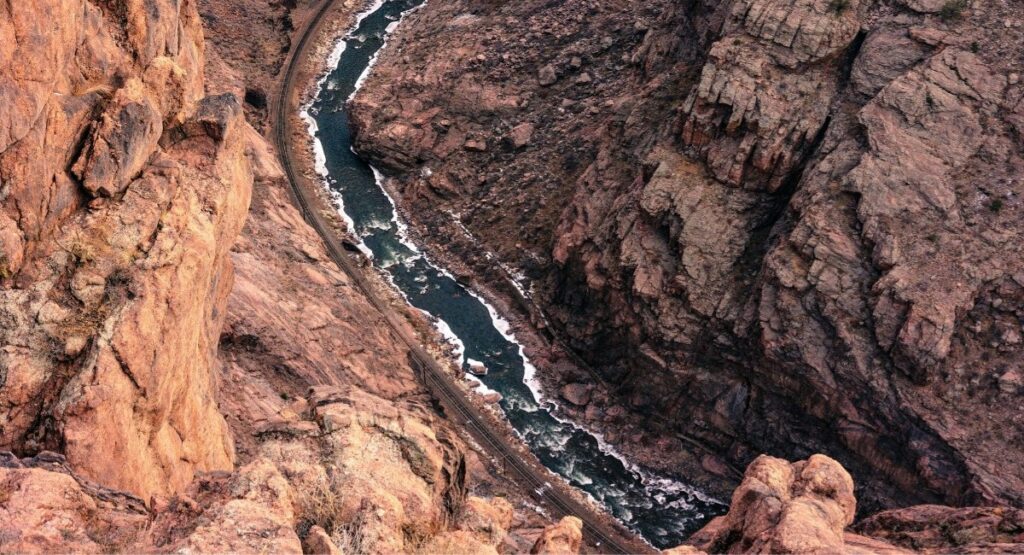
Positioned near the dramatic Royal Gorge and Arkansas River, this KOA combines natural wonders with family amenities. The swimming pool, playground, jumping pillow, and mini golf keep kids entertained, while parents appreciate full hookups and mountain views. The location provides easy access to the Royal Gorge Bridge, river rafting, dinosaur museums, and scenic train rides. Sites accommodate large family rigs, and the campground offers cabin rentals for mixed camping groups. The 5,300-foot elevation means comfortable year-round camping.
Cheyenne Mountain State Park
Just outside Colorado Springs, this modern state park features 51 campsites with electric hookups plus multiple cabins. The park’s visitor center offers exceptional nature programs, including ranger-led hikes, wildlife talks, and Junior Ranger activities. Over 20 miles of trails wind through foothills where families spot mule deer, black bears (from safe distances!), golden eagles, and other wildlife. The Sundance Trail provides an easy, accessible option for young hikers. The campground’s design provides privacy while maintaining safety—perfect for families. Sites accommodate RVs up to 45 feet.
Chatfield State Park (Denver Area)
Southwest of Denver, Chatfield’s 197-acre reservoir and extensive trail network create an outdoor playground just minutes from the city. The park offers 153 campsites with electric hookups, swimming beaches, boat rentals, and a fishing pier. Kids enjoy the playground and junior ranger programs, while the whole family can bike the park’s 26 miles of paved trails. The dam overlook provides spectacular Front Range views. The park hosts special events throughout the summer, including outdoor concerts and astronomy nights. Easy access from C-470 makes this an excellent Denver-area basecamp.
Where Can I Camp for Free or Cheap in Colorado?
Colorado’s public lands offer countless free and low-cost camping opportunities, though most lack hookups and require self-sufficiency—the tradeoff for incredible scenery and solitude away from the developed campgrounds.
National Forest Dispersed Camping
Colorado’s national forests allow free dispersed camping on most lands, meaning you can camp anywhere unless specifically prohibited. Popular areas include Pike National Forest near Deckers, Roosevelt National Forest west of Fort Collins, and San Juan National Forest near Durango. Rules typically require camping 100+ feet from water sources and away from developed sites. Bring all supplies—no services exist. Forest Service roads can be rough, so research access carefully for your RV size. Prime spots fill weekends and holidays, but weekdays offer solitude. This works best for smaller, self-contained RVs.
BLM Land Camping
Bureau of Land Management areas, particularly around Grand Junction, Cañon City, and southwestern Colorado, permit free camping for up to 14 days. Popular zones include the 18 Road area near Fruita (mountain biking mecca), Adobe Creek Reservoir near Rangely, and Arkansas River valley sites. Most areas provide vault toilets but no other facilities. The BLM manages hundreds of thousands of acres available for camping—download their mobile app to locate legal camping zones. Winter camping works in lower elevations where snow doesn’t accumulate.
Colorado State Parks Off-Season
Many Colorado State Parks reduce rates significantly in shoulder seasons (October-April) when camping slows. Sites that cost $28-36 in summer might drop to $20-28 off-season. Some parks close portions of campgrounds but keep basic sections open year-round. Check CPW camping information for seasonal rates. Seniors 64+ receive discounts Sunday-Thursday at state parks. The Annual Parks Pass ($80) includes daily park entry and can pay for itself with just a few camping trips.
County and Local Parks
Some Colorado counties operate campgrounds more cheaply than state facilities. Clear Creek County, Summit County, and Eagle County all manage local campgrounds with reasonable rates ($20-30 nightly). These often provide basic amenities in scenic locations without the crowds of major state parks. Research county park systems in your target area for hidden gems. City of Boulder operates several campgrounds in Boulder Canyon with excellent hiking access and reasonable rates.
What Are the Best RV Campgrounds for Wildlife Viewing?
Colorado’s diverse ecosystems support elk, bighorn sheep, black bears, mountain lions, eagles, and hundreds of other species—these campgrounds position you in prime wildlife habitat with excellent viewing opportunities.
State Forest State Park
At 71,000 acres in northern Colorado’s Medicine Bow Mountains, this vast park offers 169 campsites with electric hookups plus cabins and yurts at 8,500-10,500 feet elevation. The park hosts Colorado’s largest moose population—morning and evening hours produce reliable sightings along streams and marshy areas. Elk, deer, and occasional black bears also inhabit the park. North Michigan Reservoir provides excellent fishing, while the Routt National Forest border adds endless exploration. The park operates year-round, though winter requires 4WD access. Wildlife viewing peaks in May-June when animals are most active.
Rocky Mountain Arsenal National Wildlife Refuge
Just 10 miles from downtown Denver, this surprising gem offers free entry and excellent wildlife viewing year-round. While the refuge doesn’t permit overnight camping, nearby Denver RV parks provide bases for dawn and dusk visits—prime viewing times. Over 330 species inhabit the refuge, including bison, deer, coyotes, bald eagles, and burrowing owls. The 11-mile wildlife drive can be completed in your tow vehicle, and hiking trails provide intimate encounters. Spring brings goslings and fawns, while fall features raptor migrations. The flat prairie landscape provides unobstructed viewing.
Great Sand Dunes National Park
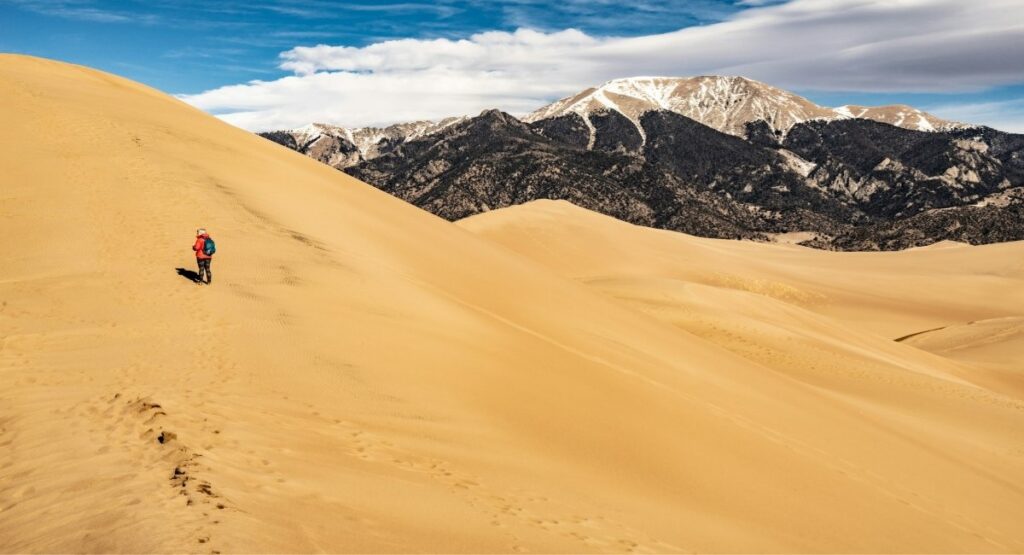
The Pinon Flats Campground offers 88 sites with electric hookups beneath towering sand dunes at 8,200 feet. The unique ecosystem supports diverse wildlife, including mule deer, pronghorn, elk, black bears, and over 200 bird species. The nearby wetlands attract sandhill cranes and countless waterfowl during migrations. Sunrise and sunset create optimal wildlife viewing as animals move between habitats. The combination of 750-foot sand dunes and snow-capped Sangre de Cristo Mountains creates surreal scenery. The campground operates year-round, with mild winters and pleasantly cool summers at an elevation.
Arapaho National Wildlife Refuge
Near Walden in North Park, this 25,000-acre refuge provides crucial habitat for migratory birds and resident wildlife. No camping exists within the refuge, but nearby Walden and the surrounding national forest offer numerous options. The refuge’s self-guided auto tour (6 miles) reveals pronghorn antelope, moose, elk, deer, coyotes, and exceptional birdwatching. Over 200 bird species use the refuge during migration, including sandhill cranes, pelicans, and numerous duck species. Visit May-June for peak wildlife activity and July for wildflowers. The high-elevation valley (8,000 feet) maintains comfortable summer temperatures.
When Is the Best Time for RV Camping in Colorado?
Summer (June-August) provides the most accessible camping with all sites open, but shoulder seasons deliver spectacular experiences with fewer crowds, golden aspens, cooler temperatures, and lower rates for those willing to plan around elevation.
Summer Season (June-August)
Peak season offers the most options—virtually every campground operates, trails are snow-free, and the weather stays consistently pleasant. High-elevation sites provide cool relief from summer heat, though afternoon thunderstorms occur regularly. Book popular campgrounds 3-6 months ahead for summer, especially holiday weekends. Wildflowers peak in July-early August at alpine elevations. Expect crowds at famous locations like the Rocky Mountain National Park and the Maroon Bells. Summer camping works well for families on school vacation and those wanting guaranteed weather.
Fall Colors (Mid-September to Mid-October)
Colorado’s golden aspen displays create the year’s most spectacular camping season. Mid-to-late September brings peak colors in high elevations (9,000+ feet), while early October showcases lower elevation aspens. Campgrounds see fewer visitors after Labor Day despite superior weather—crisp mornings, warm afternoons, clear skies. Many high-elevation sites close by October 1st, but mid-elevation campgrounds (7,000-8,000 feet) remain open with stunning scenery. The short season means checking conditions carefully—early snowstorms can close mountain passes unexpectedly.
Spring Wildflowers (May-June)
Lower elevation campgrounds open in May, providing comfortable camping as wildflowers bloom in the foothills and valleys. Mountain sites remain closed by snow through June, but accessible areas offer solitude and beauty. Rivers run high with snowmelt, creating dramatic waterfalls and excellent whitewater rafting. Mosquitoes can be intense near water, especially in June. This season suits adventurous RVers who accept some limitations for stunning landscapes and empty campgrounds. High-elevation sites opening late June provide the year’s freshest mountain air and remaining snowfields.
Winter Camping (November-March)
Lower elevation campgrounds (below 6,000 feet) often operate year-round, providing unique opportunities for hardy RVers. Winter camping requires robust cold-weather gear, winterized RVs, and acceptance of basic facilities (many state parks close restrooms, requiring self-contained camping). Snow activities include skiing, snowshoeing, and winter wildlife viewing. Clear winter days showcase the Rockies brilliantly. Several private RV parks near ski resorts cater to winter visitors. Winter camping works best in southern Colorado and lower Front Range locations where temperatures moderate.
Your Colorado Adventure Awaits
From Rocky Mountain National Park’s towering peaks where bighorn sheep traverse impossibly steep cliffs, to aspen groves that blaze golden in September sun, to alpine lakes reflecting snow-capped summits in mirror-perfect stillness—Colorado delivers RV camping experiences that define mountain adventure. With 42 state parks, five national parks, and millions of acres of public forest land, you could explore for years without repeating campgrounds. Each site offers something unique, whether that’s high-elevation solitude above treeline, family-friendly amenities near cities, or red rock desert camping under endless western skies.
The best part? Colorado’s compact geography means dramatic landscape changes happen in hours, not days. Start your morning hiking Rocky Mountain National Park’s alpine tundra, lunch in historic mining towns where Victorian buildings line main streets, and camp that evening beside a Front Range reservoir where the sunset paints the peaks orange and purple. Experience desert canyons, mountain meadows, rushing rivers, and peaceful lakes—all within one epic Colorado road trip.
Ready to start planning? Explore all Colorado campgrounds to compare options statewide, then book early—summer sites at popular locations fill months ahead. Whether you’re bringing your own rig or browsing Colorado RV rentals to find your perfect mountain home on wheels, you’re about to discover why Colorado consistently ranks as America’s favorite RV destination.
Pack layers for unpredictable mountain weather, bring sunscreen for high-altitude sun exposure, and get ready to experience the Rocky Mountain high that keeps adventurers coming back year after year. The mountains are calling—and the open road through Colorado delivers the answer.
Frequently Asked Questions
How high are Colorado campgrounds, and does elevation affect RV camping?
Most Colorado campgrounds range from 5,000 to 10,000 feet in elevation, significantly impacting temperatures, air pressure, and vehicle performance—plan accordingly for high-altitude camping experiences. Even summer nights cool dramatically at elevation; campgrounds above 9,000 feet can see freezing temperatures any month. The thin air affects RV engine performance on steep mountain roads, particularly for larger rigs. Water boils at lower temperatures (194°F at 10,000 feet versus 212°F at sea level), affecting cooking times. Some visitors experience mild altitude sickness above 8,000 feet—symptoms include headaches and fatigue. Arrive hydrated, limit alcohol, and allow time for acclimatization. Most campgrounds post elevation on their websites and reservation systems.
Can I camp in an RV at Rocky Mountain National Park?
Yes, Rocky Mountain National Park offers several campgrounds accommodating RVs, but sites lack hookups and fill instantly when reservations open six months ahead on Recreation.gov. Moraine Park and Glacier Basin campgrounds accept RVs up to 40 and 35 feet, respectively, providing the park’s most RV-friendly options. Aspenglen Campground accepts RVs up to 30 feet. No electrical, water, or sewer hookups exist—bring self-contained rigs with sufficient battery capacity. Generators operate only during limited hours. The park’s extremely high demand means most RVers camp in Estes Park or surrounding areas and drive into RMNP for day visits. Sites cost $30-35 nightly plus park entrance fees ($30/vehicle for 7 days or $35 timed entry reservation).
Do I need 4-wheel drive or a special vehicle for Colorado camping?
Most developed Colorado campgrounds are accessible to standard RVs via paved or well-maintained gravel roads requiring no special vehicles or equipment beyond careful driving on mountain grades. However, dispersed camping on national forest roads often requires high-clearance vehicles or 4WD, particularly after rain or snow. Check specific campground access information before booking—most state parks and private campgrounds accommodate standard RVs. Mountain roads feature steep grades (6-7% common, occasionally 10%+), tight curves, and narrow passages. Large RVs (over 35 feet) should research routes carefully and avoid certain mountain passes. Carry chains October-April in case of unexpected snow. Standard precautions include checking brakes before mountain descents and using lower gears to avoid brake overheating.
When do Colorado campgrounds open and close for the season?
Lower elevation campgrounds (below 6,000 feet) often operate year-round, while high-elevation sites (above 8,500 feet) typically open late May/June and close September/October, depending on snow conditions. Most Colorado campgrounds operate seasonally, with opening and closing dates depending on elevation and weather. State parks publish tentative schedules on the CPW website, but actual dates shift based on snowpack and spring weather. Mid-elevation sites (6,000-8,500 feet) generally run from May through October. Popular campgrounds sometimes extend seasons if the weather permits. Fall closures happen when freezing temperatures risk water system damage. Winter camping below 6,000 feet works well with winterized rigs, but facilities may be limited. Always confirm the current status before traveling, particularly during the shoulder seasons when conditions change rapidly.
What’s the average cost of RV camping in Colorado?
Colorado State Parks charge $28-36 per night for electric hookup sites, $20-28 for basic sites, making them excellent values for mountain camping with beautiful settings. Private RV resorts range from $45-75 for standard amenities to $75-150+ at luxury properties near ski resorts and popular tourist areas. National forest campgrounds cost $18-32 typically, offering beautiful locations with basic facilities. Free dispersed camping exists on BLM and national forest lands for self-sufficient RVers. Rocky Mountain National Park campgrounds cost $30-35 nightly without hookups. Premium locations near Estes Park, Breckenridge, and Aspen command top rates during peak season. Shoulder season rates drop 20-40% at many campgrounds. Colorado’s annual Parks Pass ($80) includes park entry and camping discounts.